Harbingers
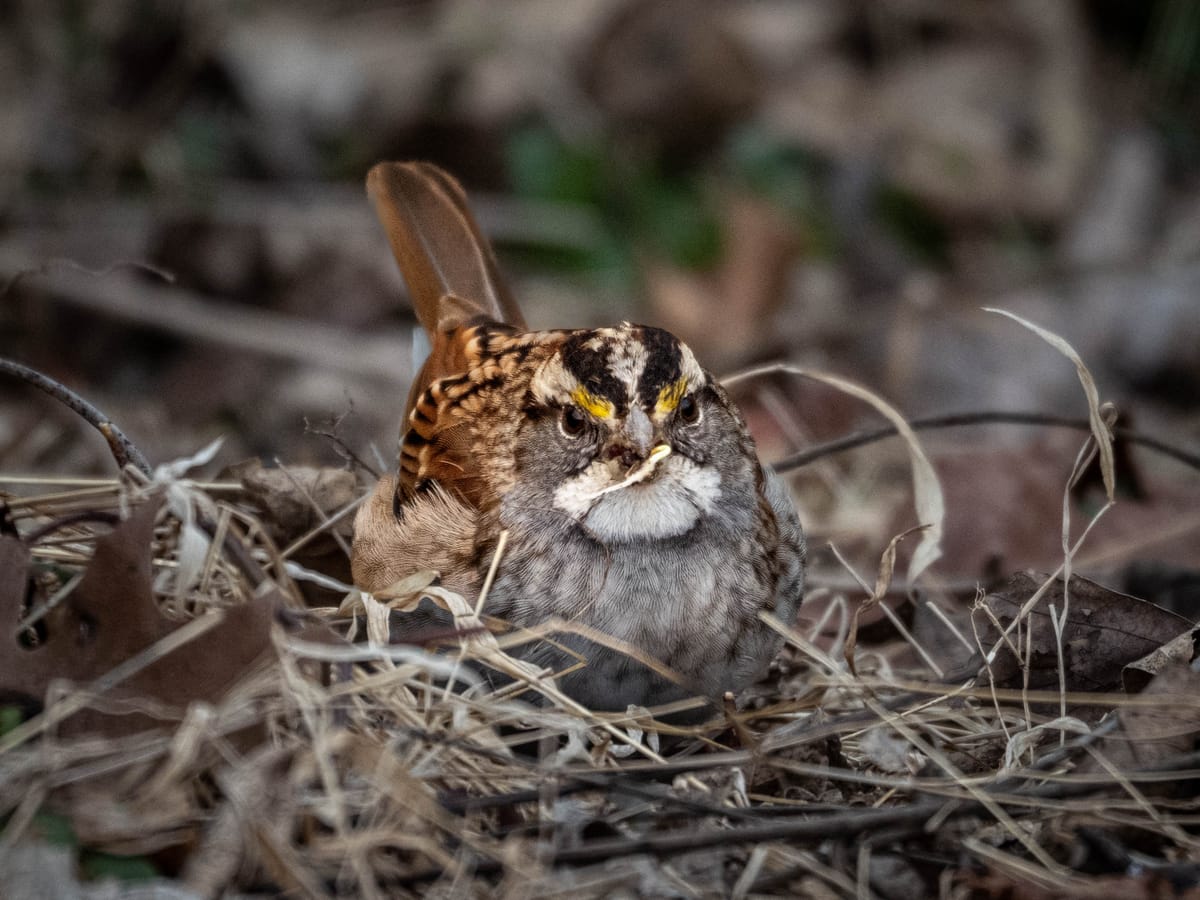
Every small shift in the forest is driven by huge astronomical events.
In late February the sun slides northward along the horizon and days lengthen. Sunlight strikes the earth at a more direct angle, and the warming begins. Orion, our winter companion, begins his slow departure from the night sky.
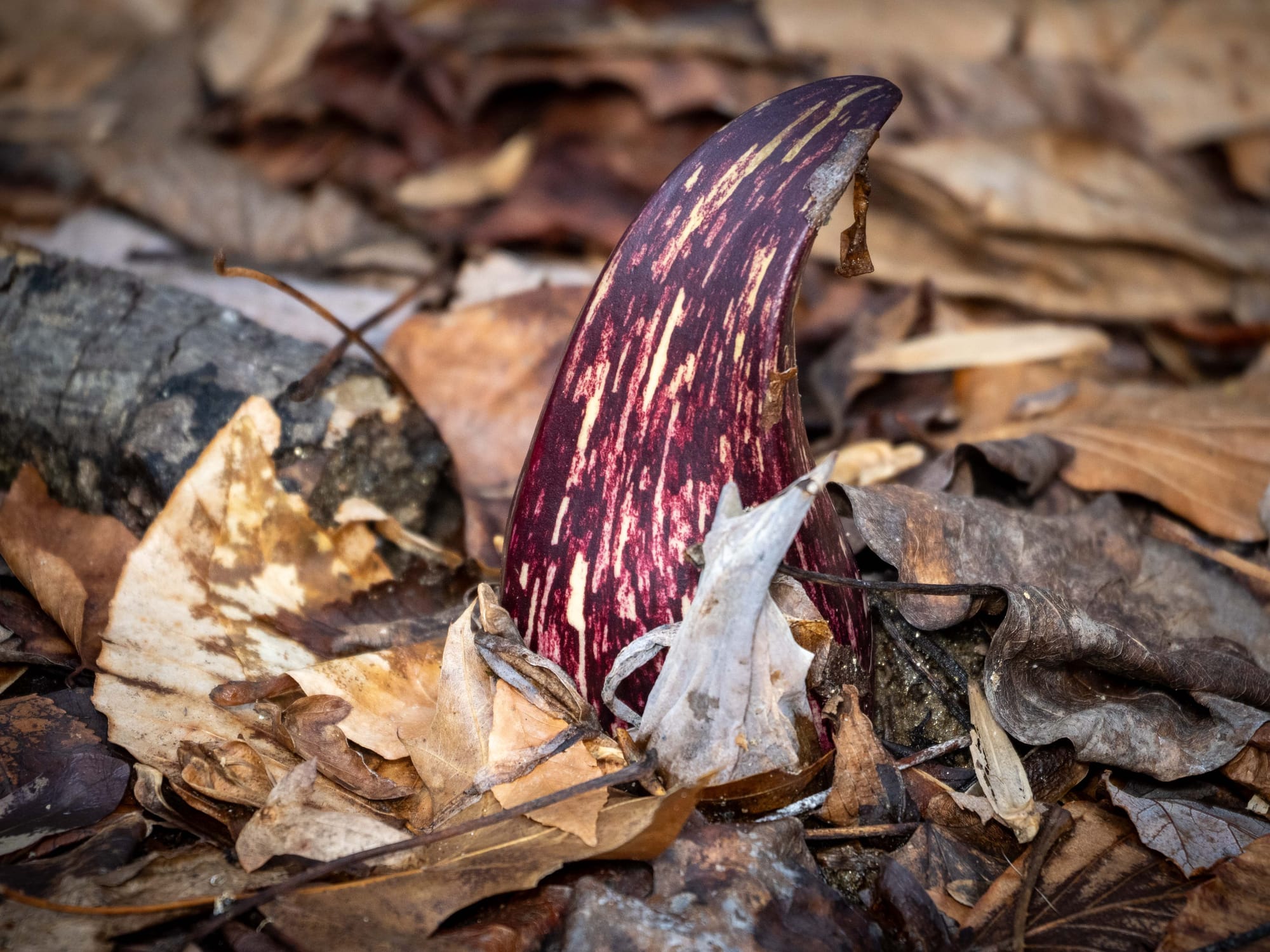
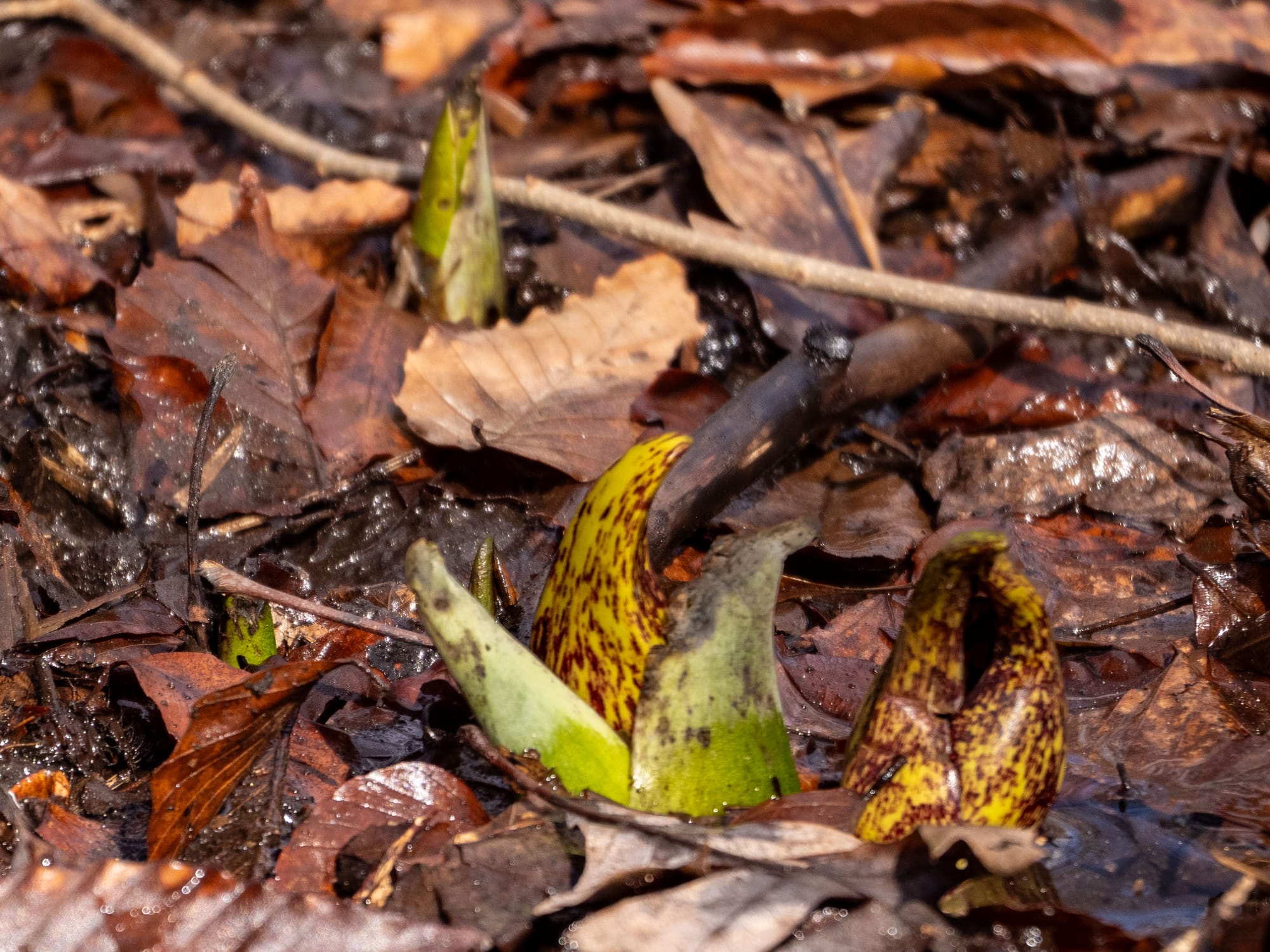
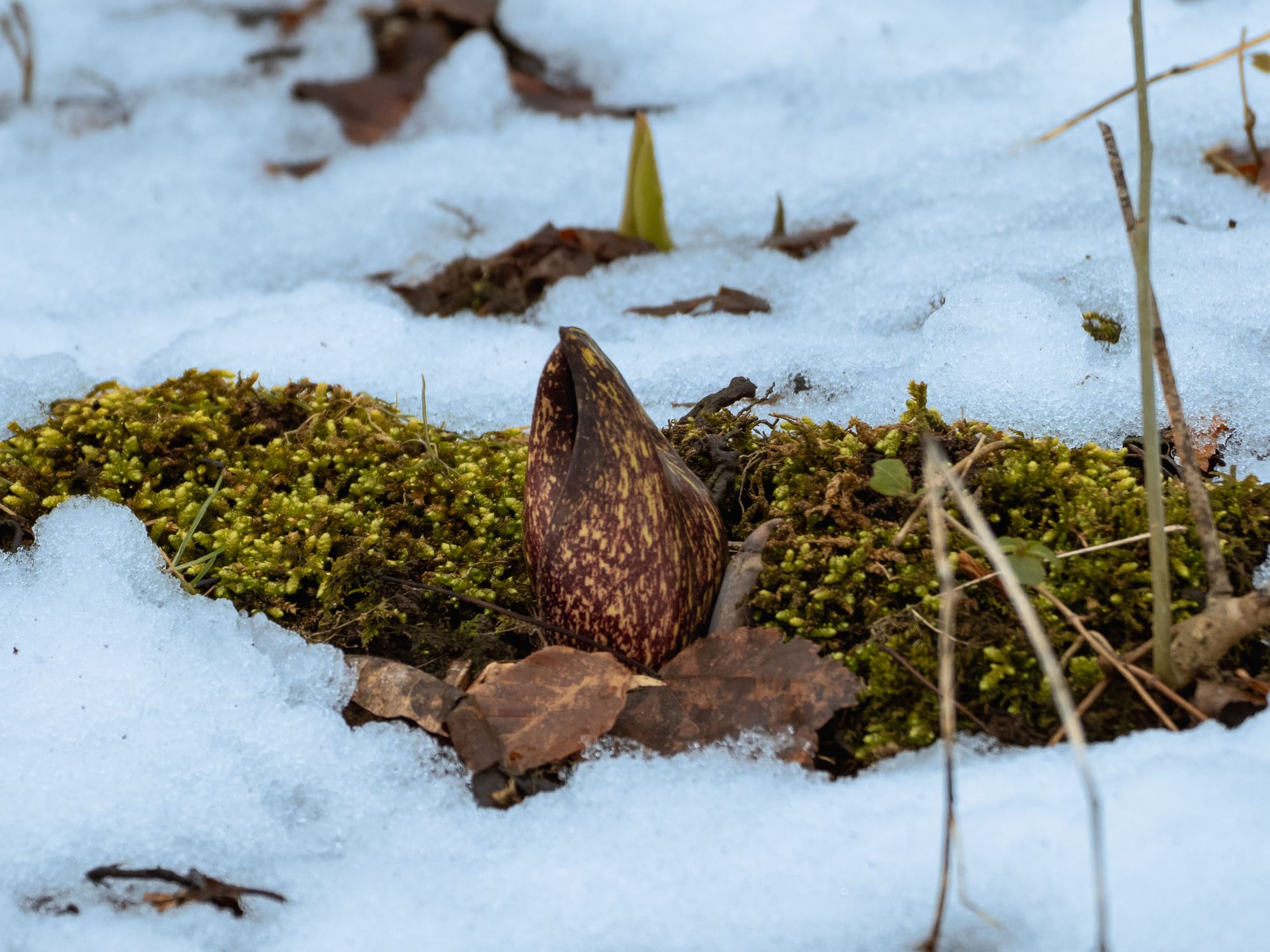
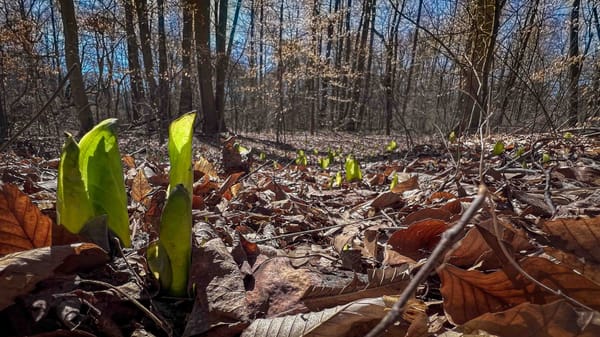
The hearty Skunk Cabbage, the first of the spring wildflowers, has begun to emerge within the past week or so. (see more about this fascinating plant - Spathe and Spadix)
Each day get's longer until March 20 when we reach the vernal equinox. Sunrise due east. Sunset due west. Day and night nearly equal - it's Spring.
We have seen this familiar dance before, the leaves emerge, evenings warm, swallows return to strafe the pond. But somehow the first phoebe call is still a surprise and our delight in the first familiar yellow bloom is not diminished.
Spring is like a favorite film or a well-loved series: we know the plot, we know the ending, but still love to watch it all unfold; that much anticipated moment when the light shifts and things blossom.
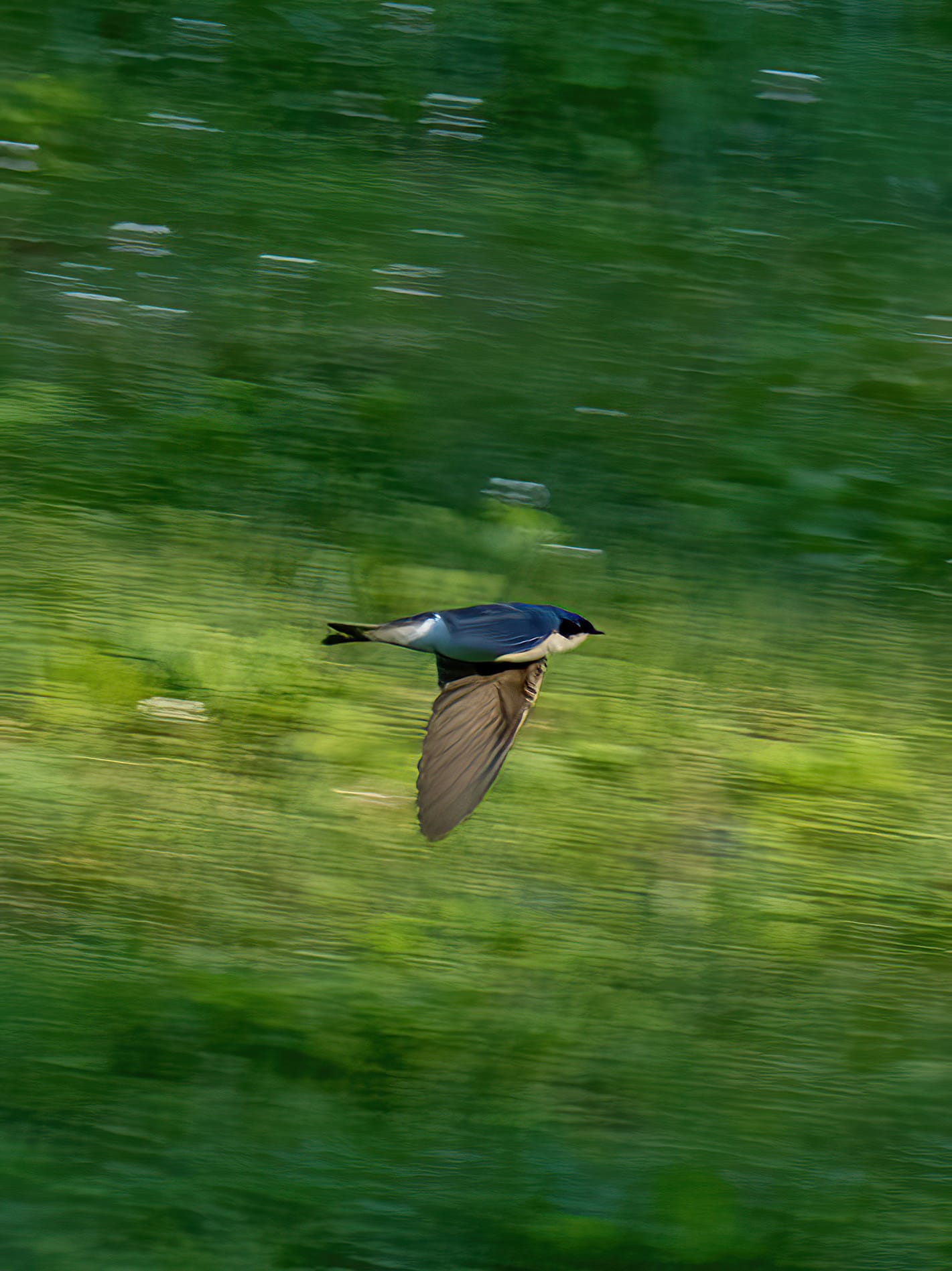
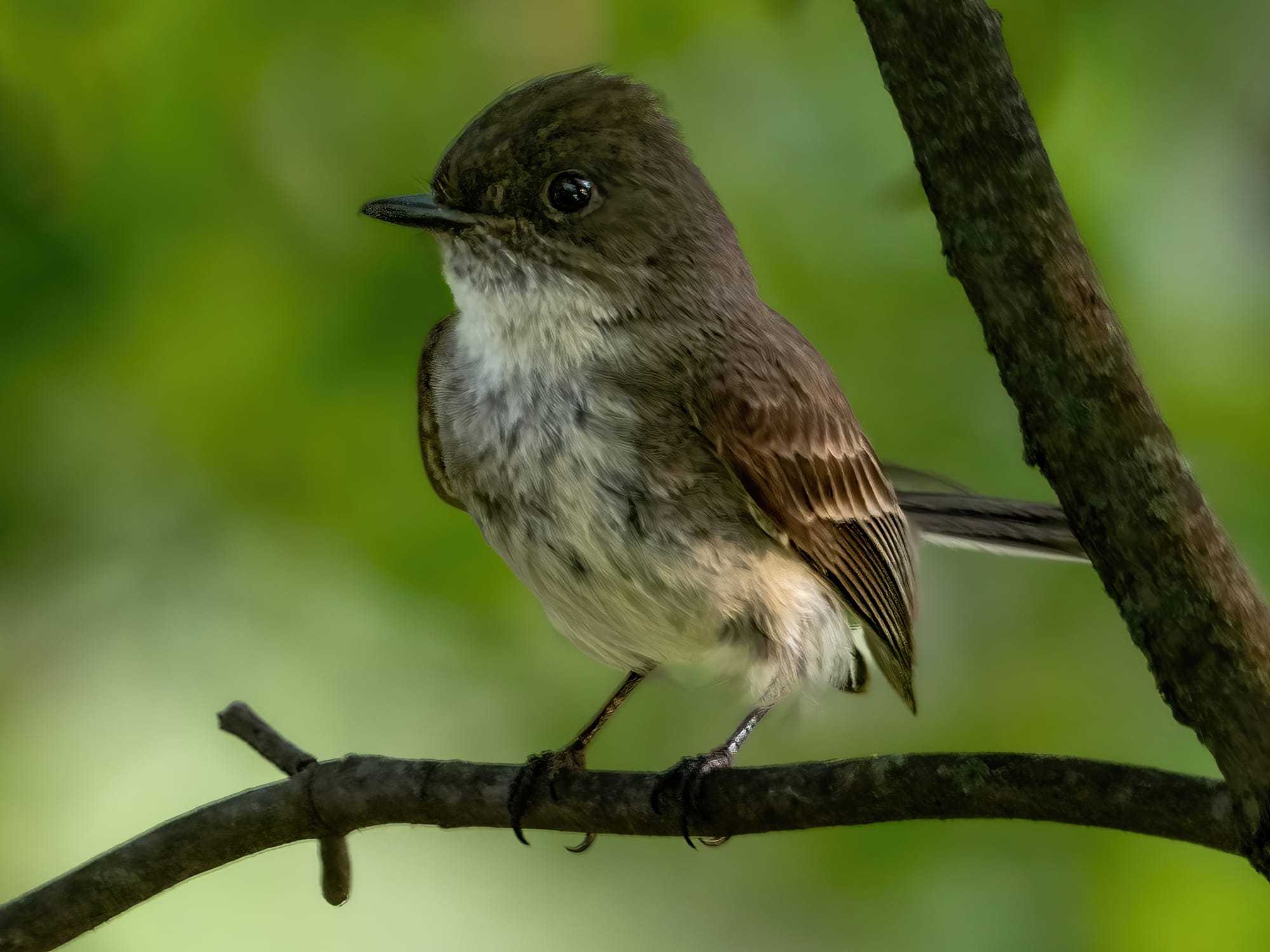
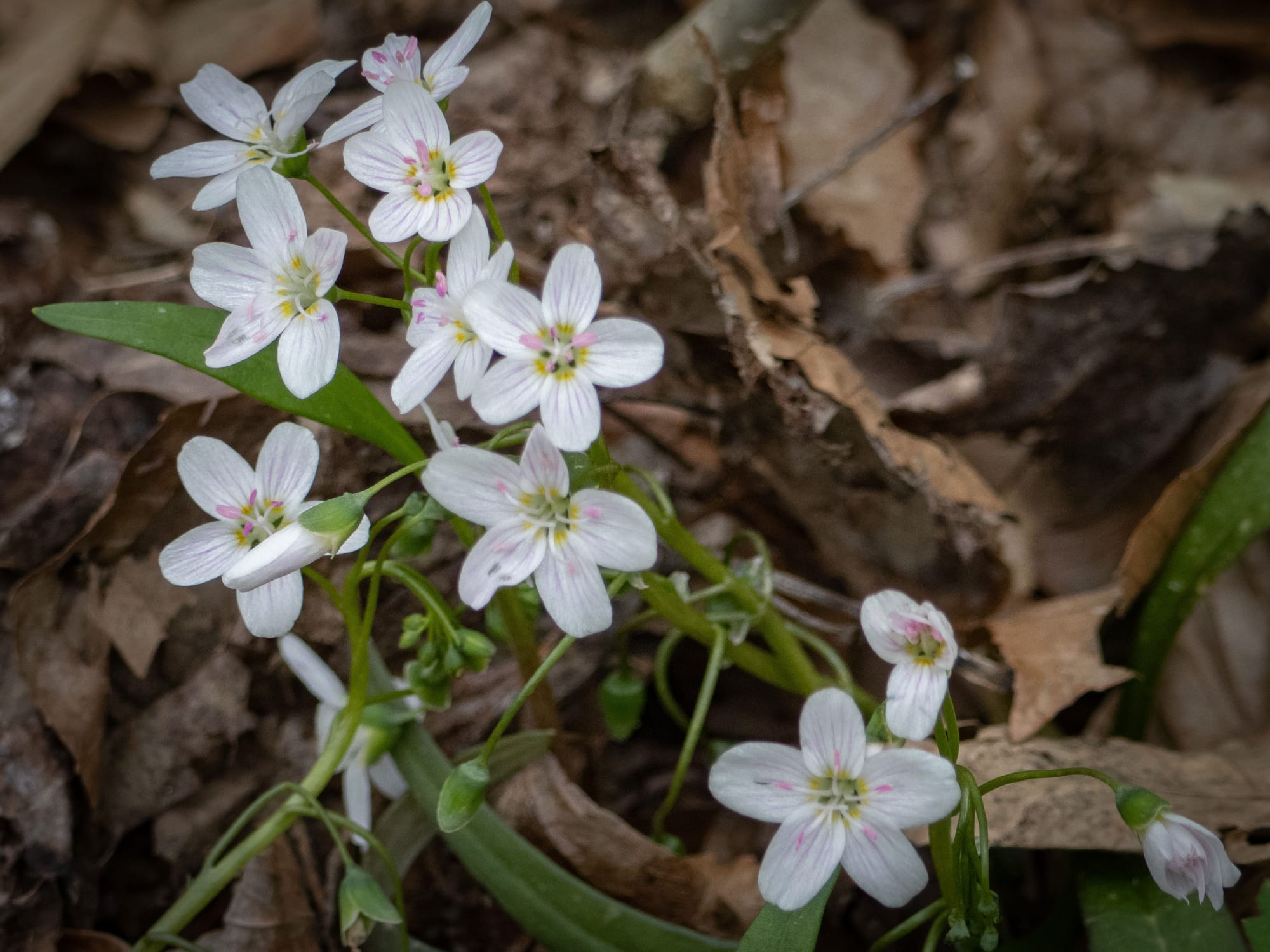
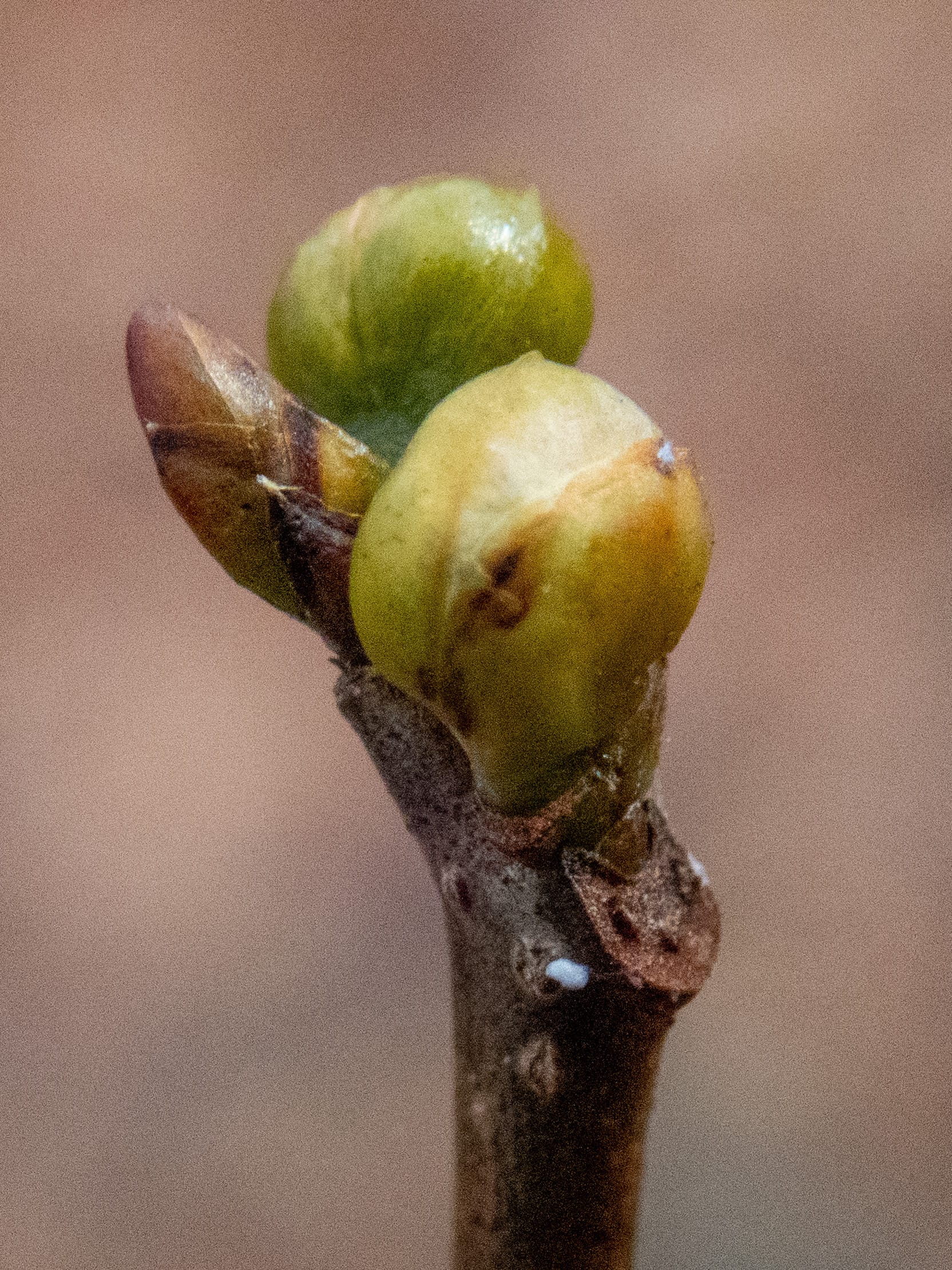
Tree Swallow and Eastern Phoebe, Spring Beauties and Spicebush
Soon after the equinox thaw reaches beneath the surface and insects are active the Eastern Phoebe returns. By early April Tree Swallows are everywhere, spicebush opens in yellow along shaded edges and Spring Beauties scatter their pale blooms across the forest floor.
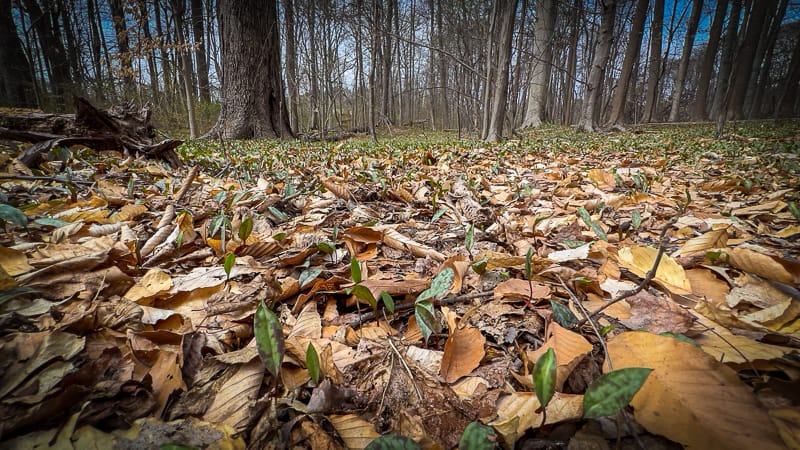
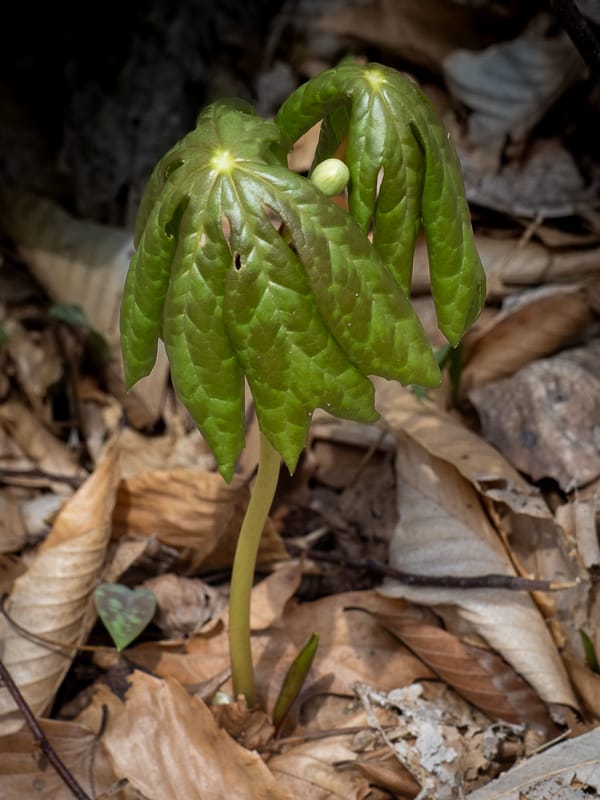
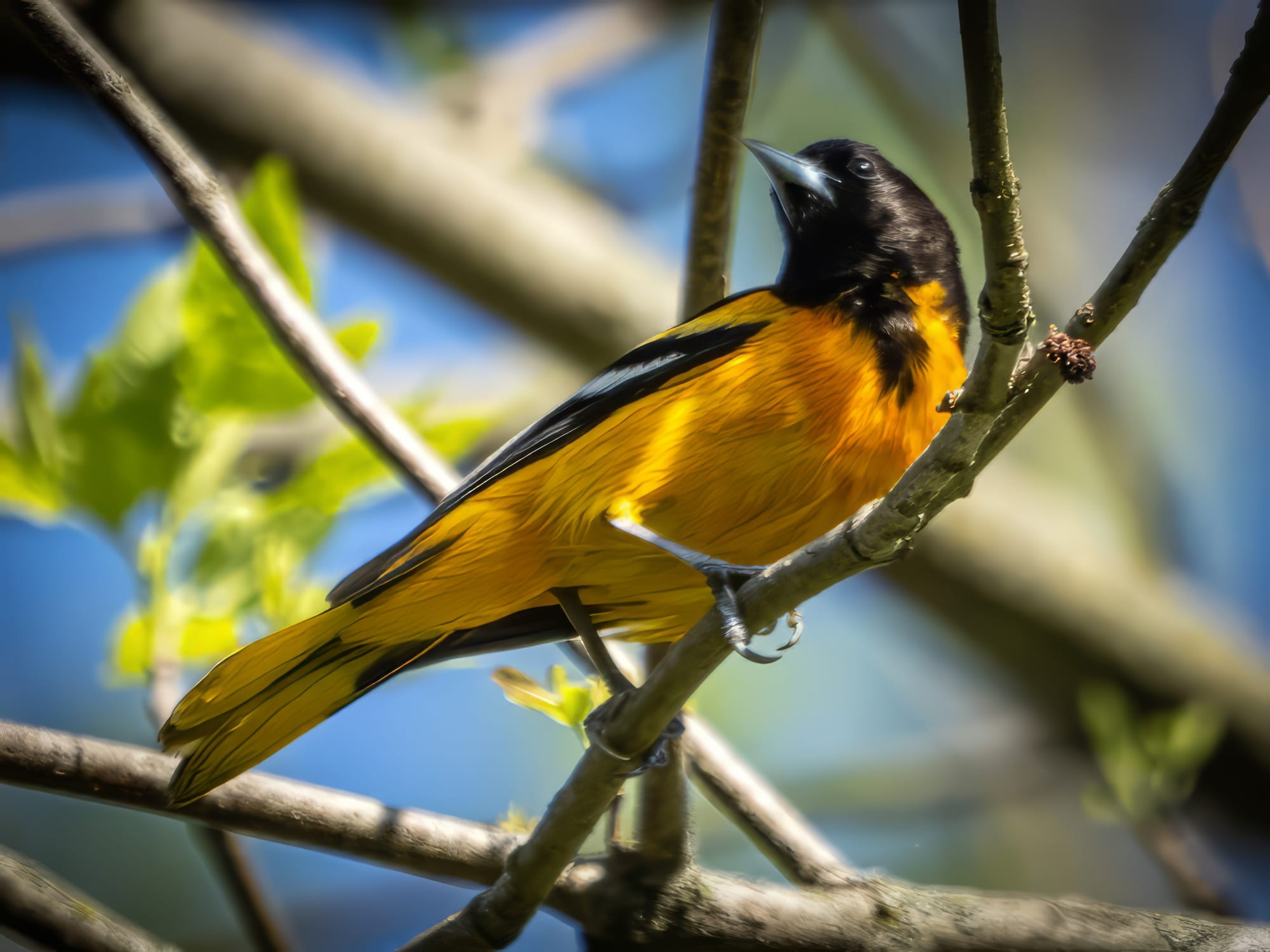
Trout Lilly colony, Mayapple, Baltimore Oriole
In late April, Mayapples rise through leaf litter and Yellow Trout Lily's mottled leaves pop up. The orange flash of Baltimore Orioles signals that Orion has surrendered the eastern sky to Leo.
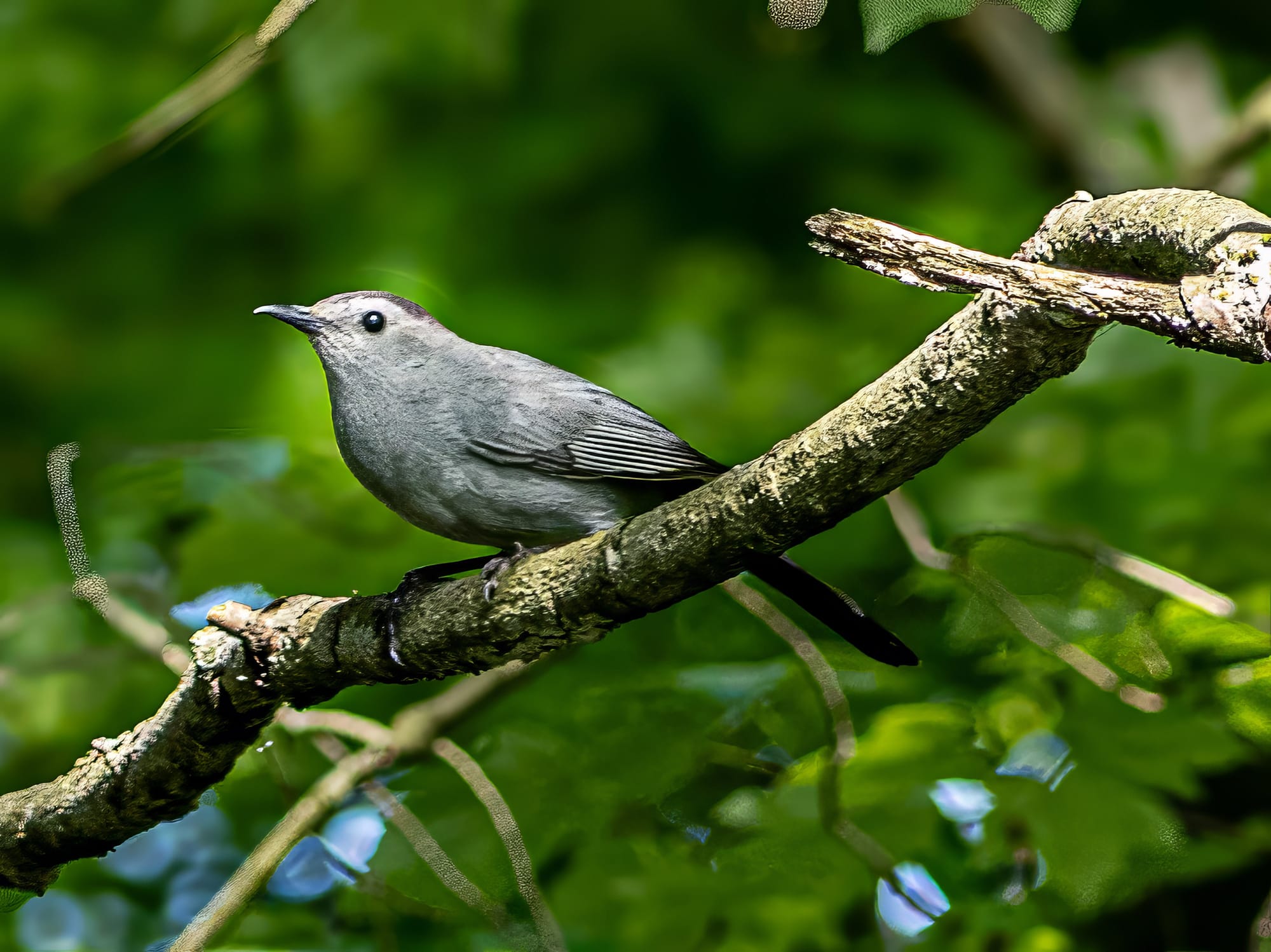
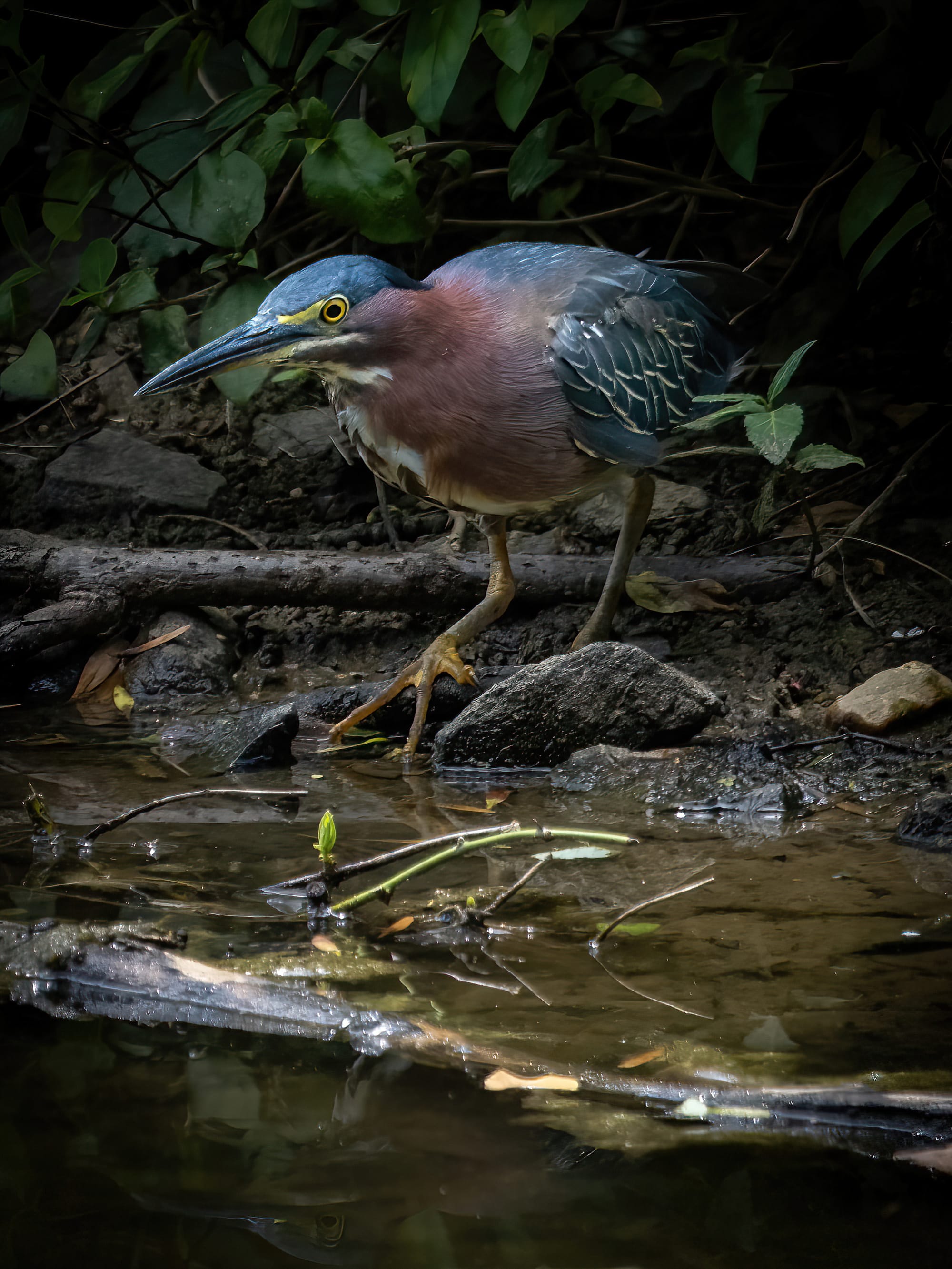
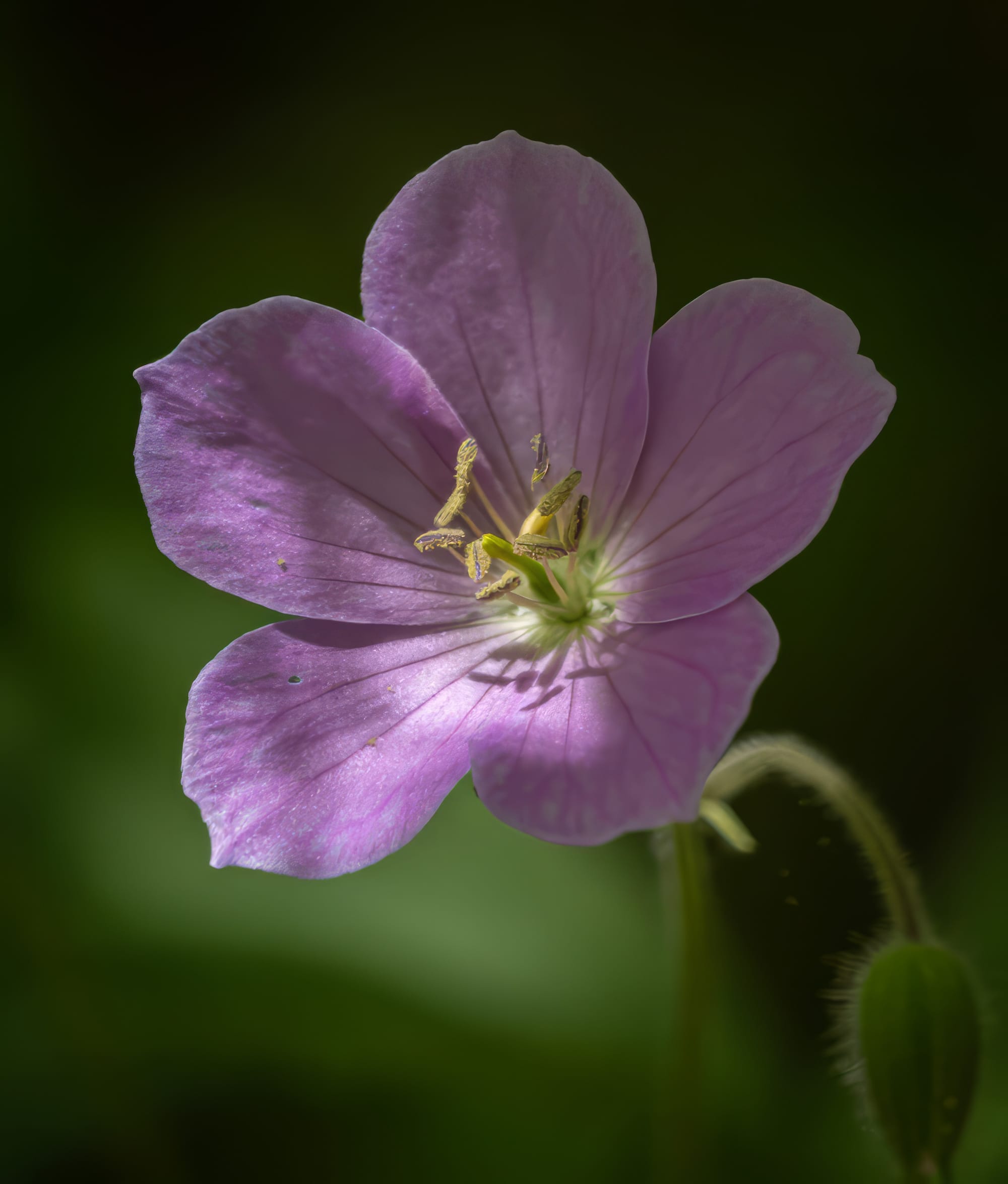
Gray Catbird, Green Heron, Wild Geranium
Early May brings Gray Catbird and Green Heron, wild Geranium opens beneath a thickening canopy. By mid May spring is well and truly at it's high point as the transition to summer begins.
Enjoy these last sere days of winter, they hold a beauty all their own.
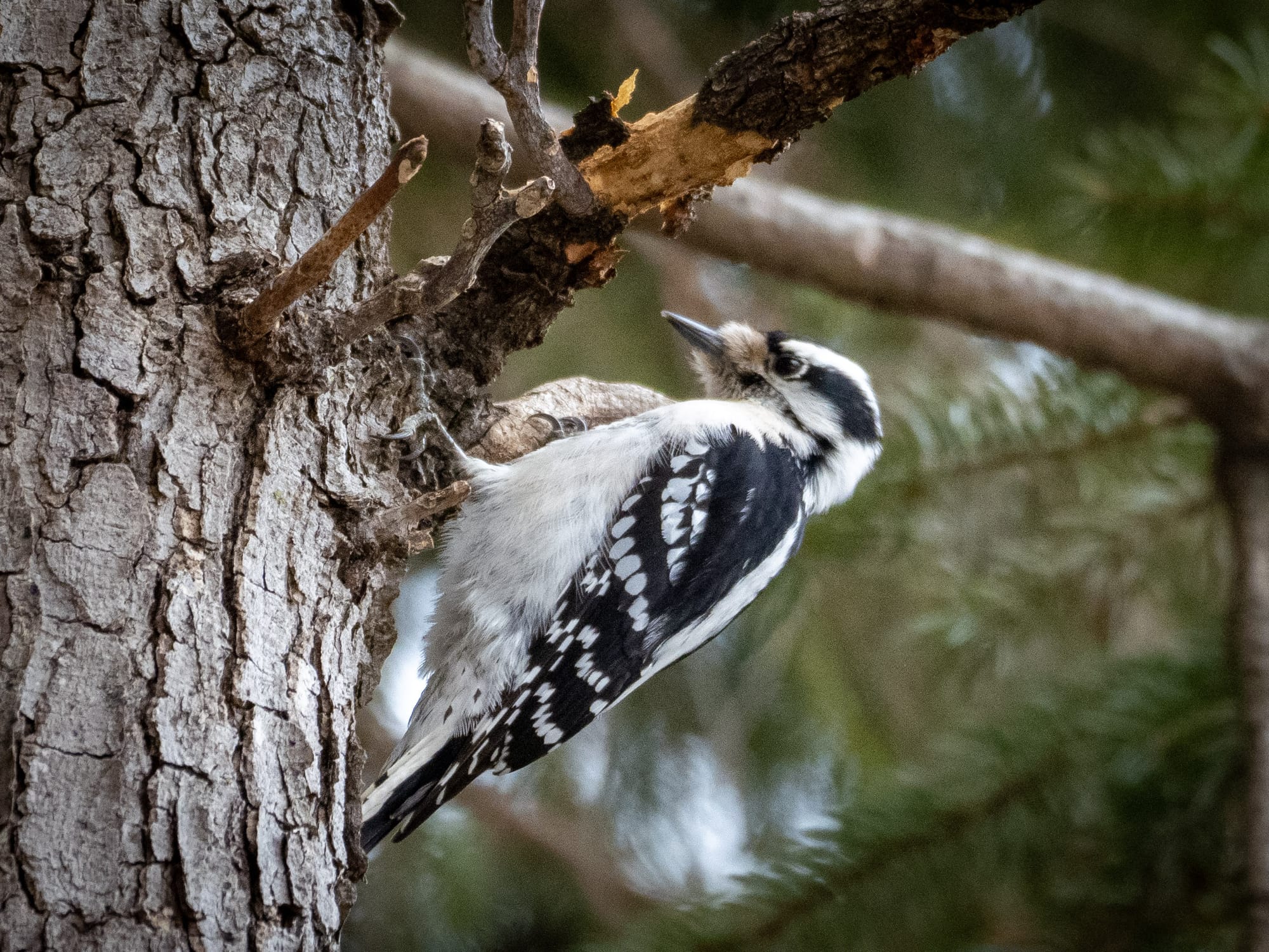
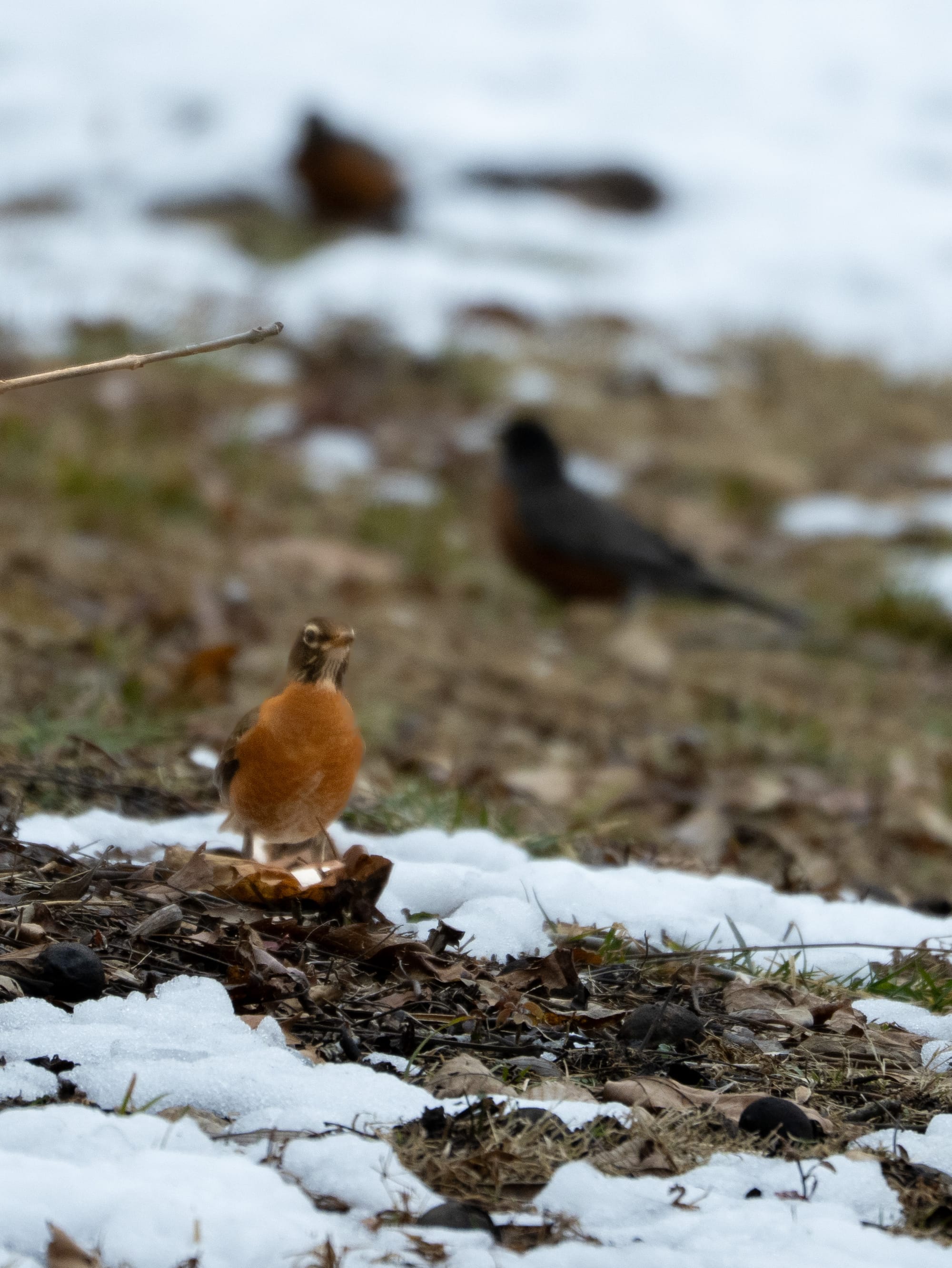
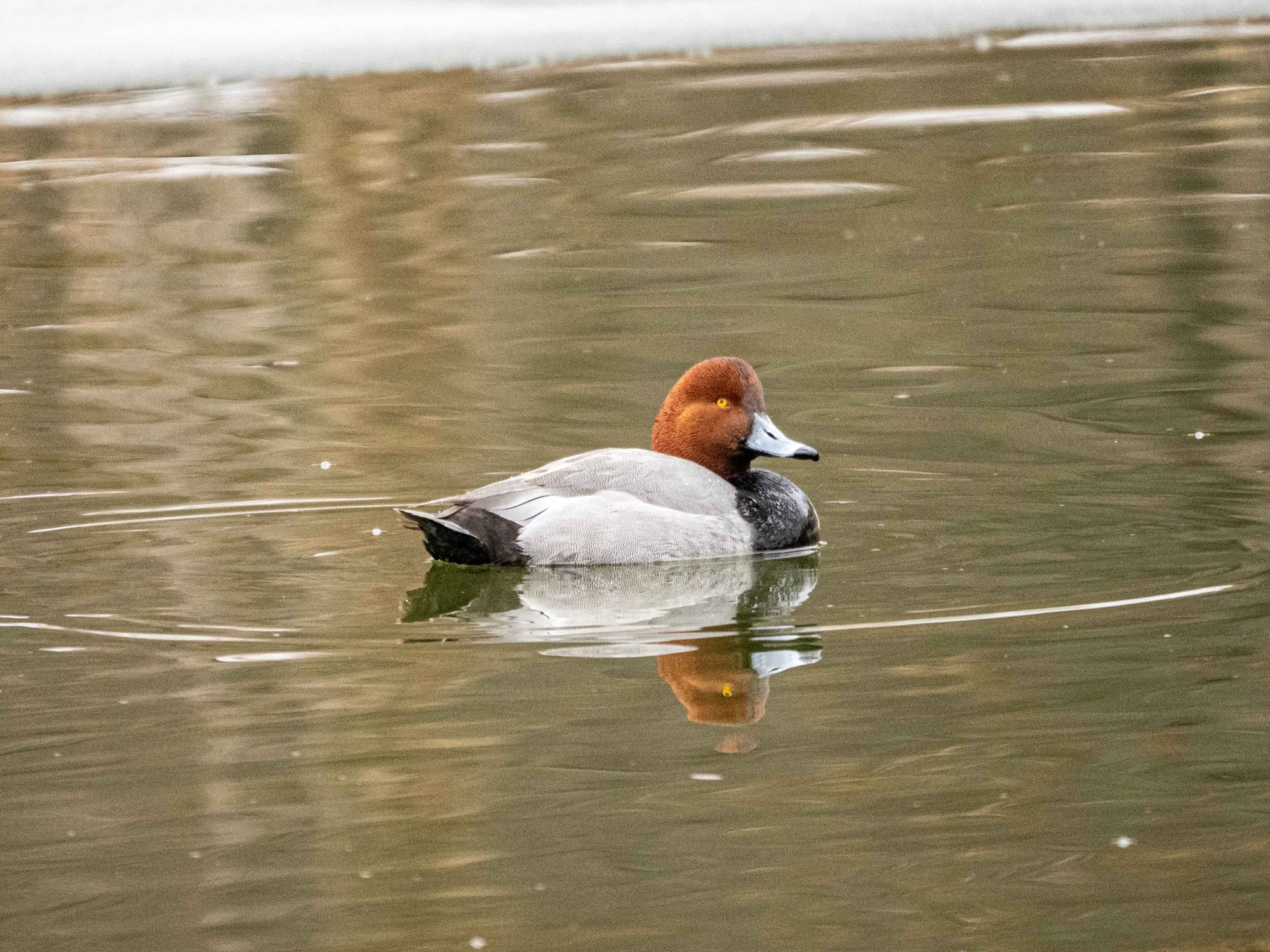
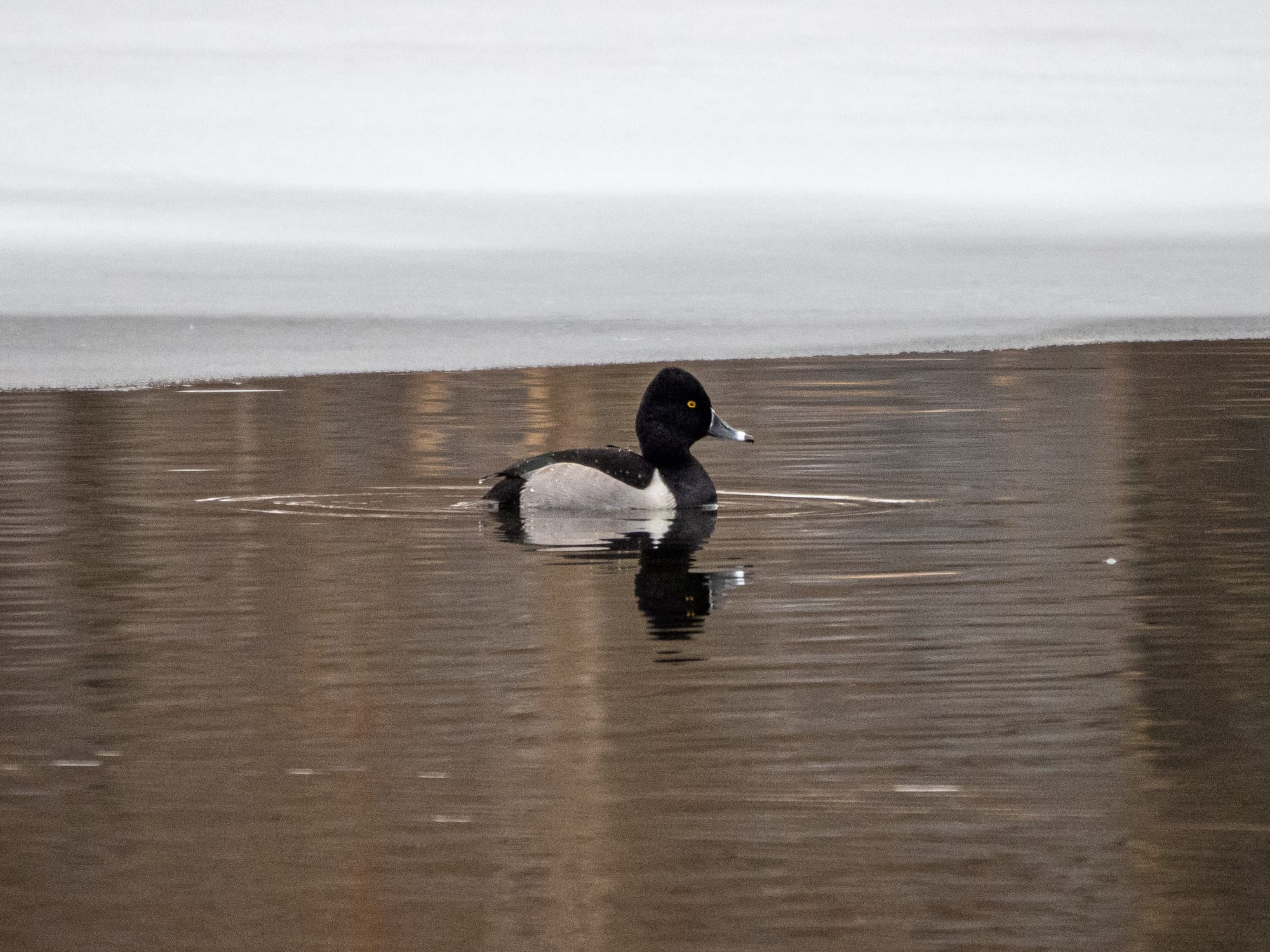
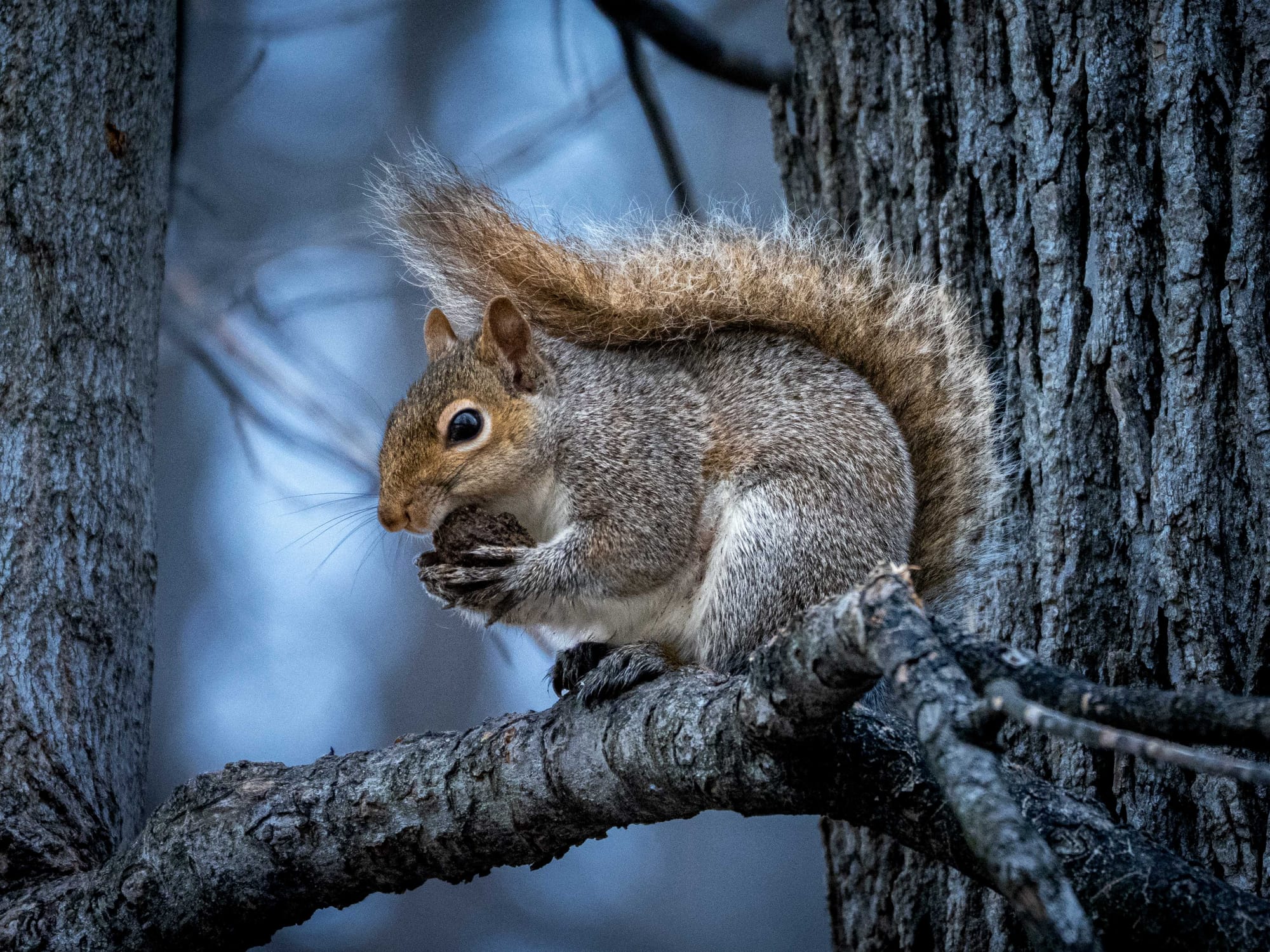
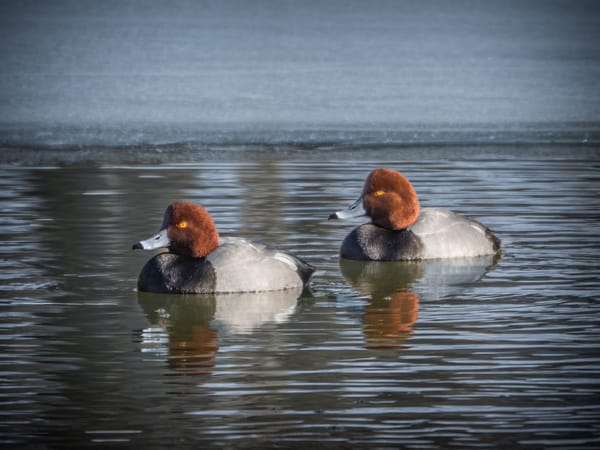
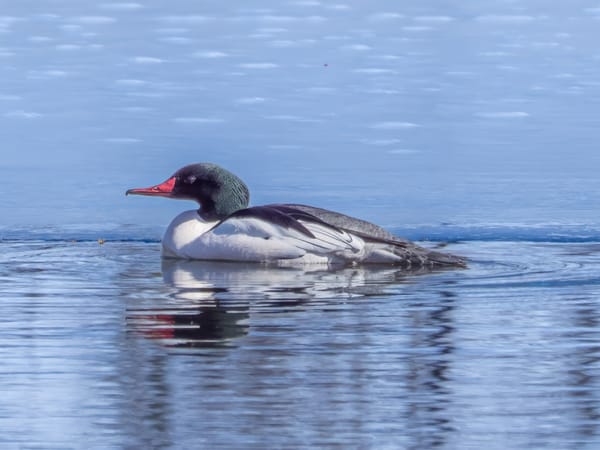
Recent sightings at the park - A downy Woodpecker, a herd of Robins, what I expect is my last sighting of the odd ducks of winter 2026 (a Redhead and Ring-necked duck), and there seem to be plenty of black walnuts.