History of Anson B. Nixon Park
Prehistory
The land that we call Nixon Park today, and our broader region, is a history written in water. You probably didn’t expect to go back quite this far, but let’s start with the Alleghenian Orogeny.
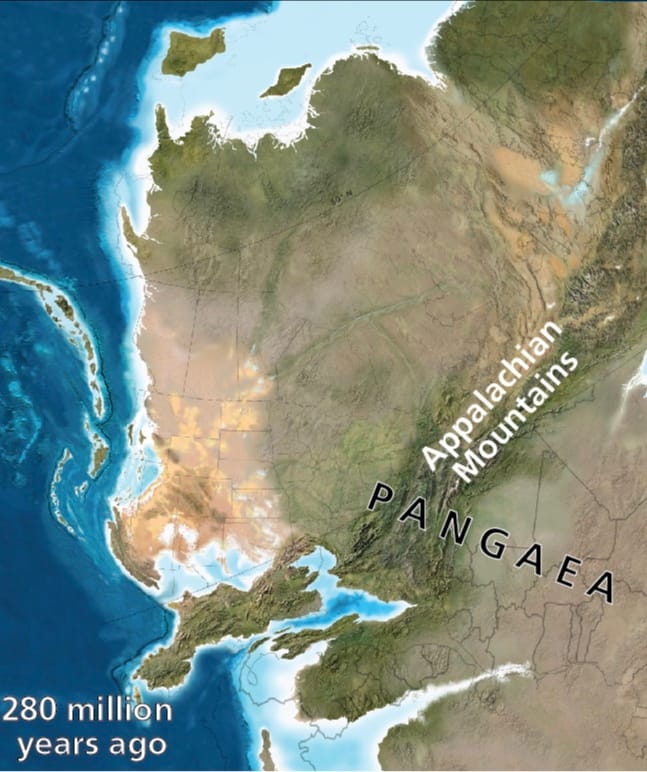
If you’re familiar with plate tectonics, you know that orogenies are mountain-building events—continental collisions that smash land together until mountains buckle like an accordion.
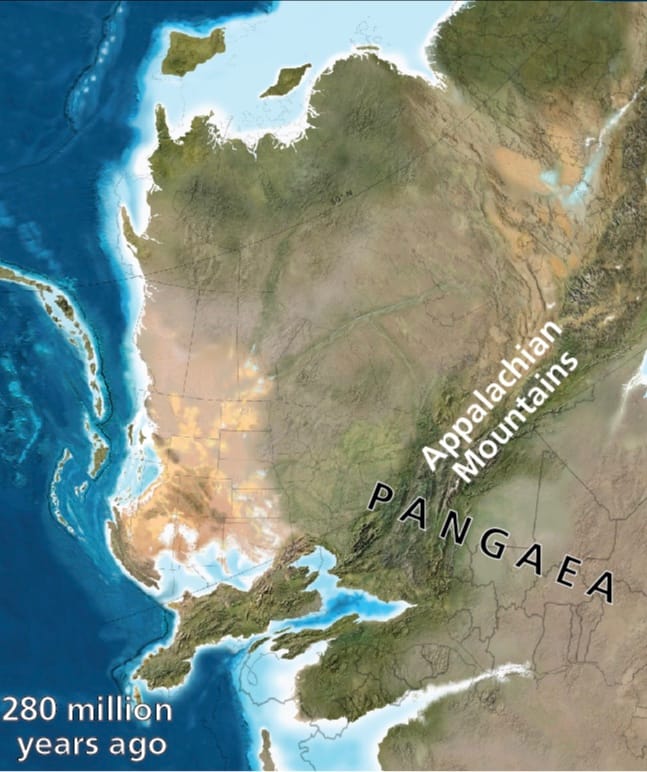
Around 280 million years ago, Africa and North America collided to form the supercontinent Pangea. At that time, you could have walked from the Jersey Shore straight into West Africa without getting your feet wet. The collision forced up the central and southern Appalachians, mountains as tall as the Alps are today. Over hundreds of millions of years, those peaks eroded down to the humbler ridges we know today.
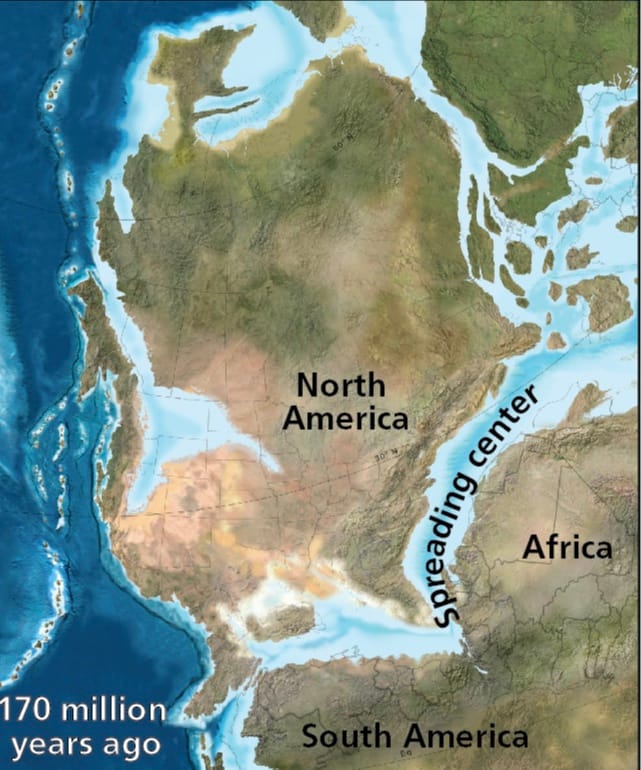
About 170 million years ago, Pangea cracked apart, and the Atlantic Ocean opened.
Rivers carried away the bones of those mountains and buried them under thousands of feet of sediment.
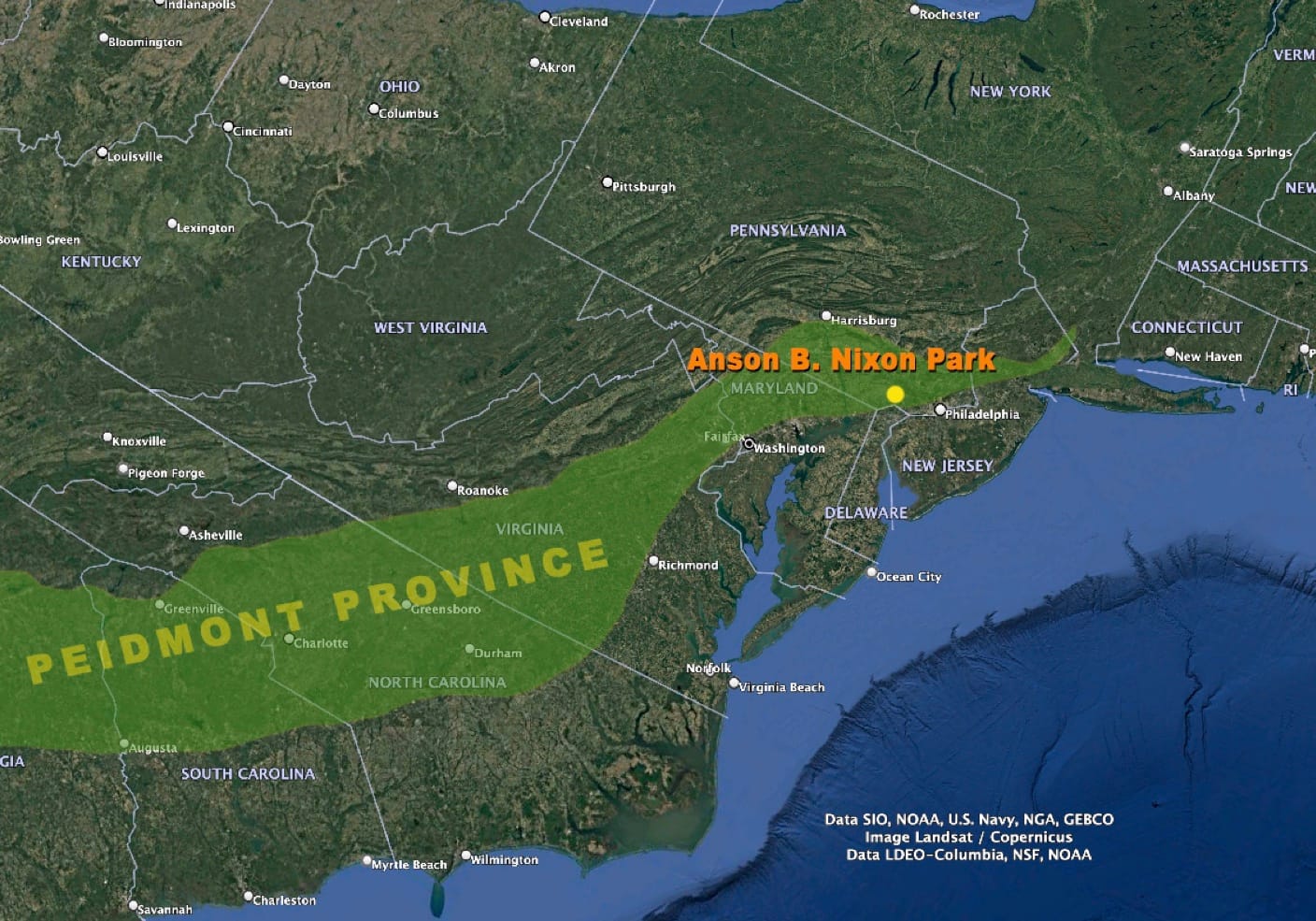
Until we have the place we live today, The Piedmont. Pied (foot) + mont (mountain). Literally, the foot of the mountains, an amazing landscape built by and maintained by water.
Under us are miles of recycled rock, the compost pile of an ancient mountain chain. The water that began running off those mountains millions of years ago is still flowing—in creeks, rivers, and watersheds that supported the first peoples for thousands of years, drew the first colonists, water powered mills, factories, and the early stages of the Industrial Revolution.
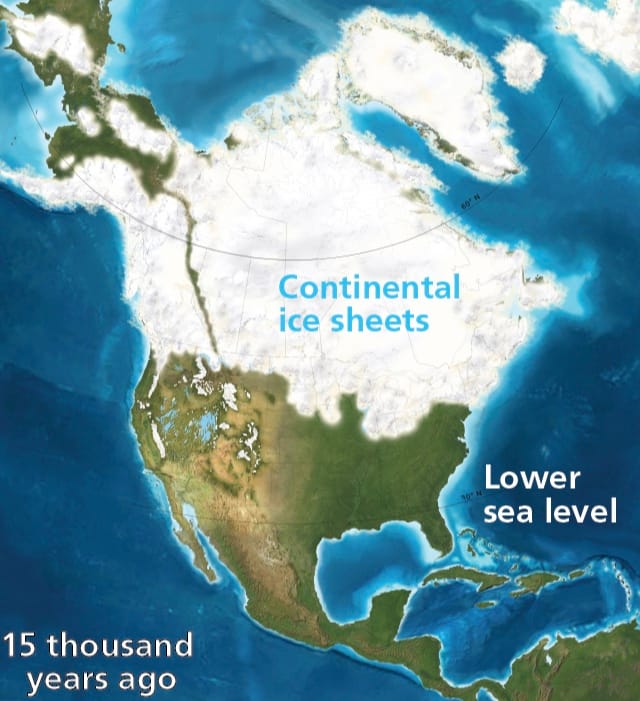
The last ice age ended about 12,000 years ago. Southeastern Pennsylvania was never under ice—the glaciers stopped farther north—but the climate was still cold enough that tundra plants and Ice Age animals grazed nearby.
Humans were here too. Recent discoveries have revealed that humans have been in North and South America much longer then we thought. The Meadowcroft Rock Shelter near Pittsburgh has artifacts dating to at least 16,000 years ago have increased the time we estimate humans have occupied this region.
While we don’t yet have artifacts from Nixon Park itself, there’s every reason to think people walked this very ground starting at least ten thousand years ago, perhaps longer.
When the first Europeans arrived in our region and asked who they were they replied “We are Lenape”, or “Lenni Lenape”, meaning “people” or “original people”. They may have been saying; "What do you think we are?" You’re people too, aren’t you? Don’t you recognize us?”.
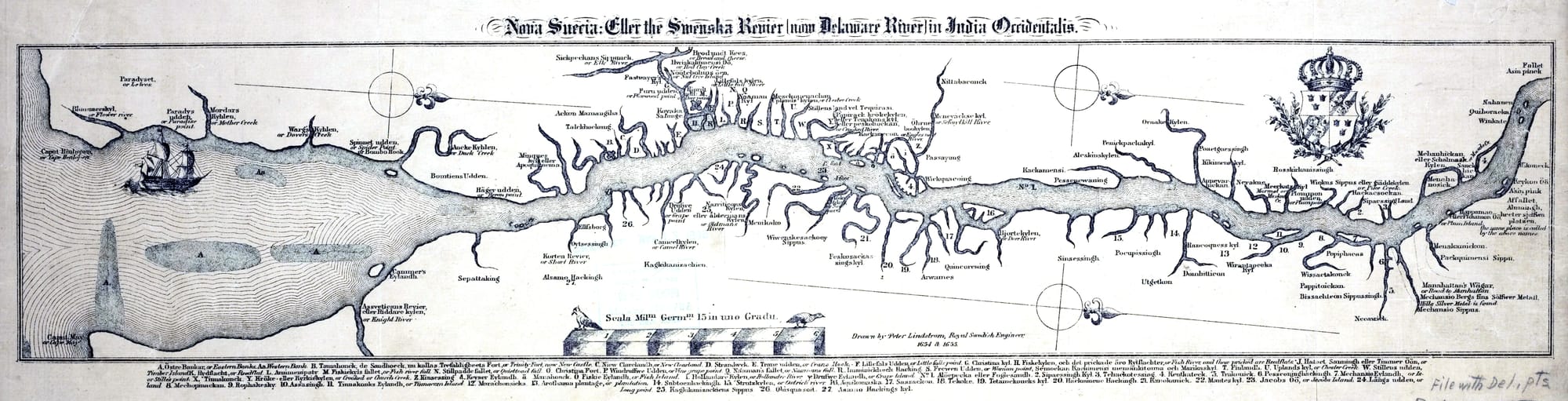
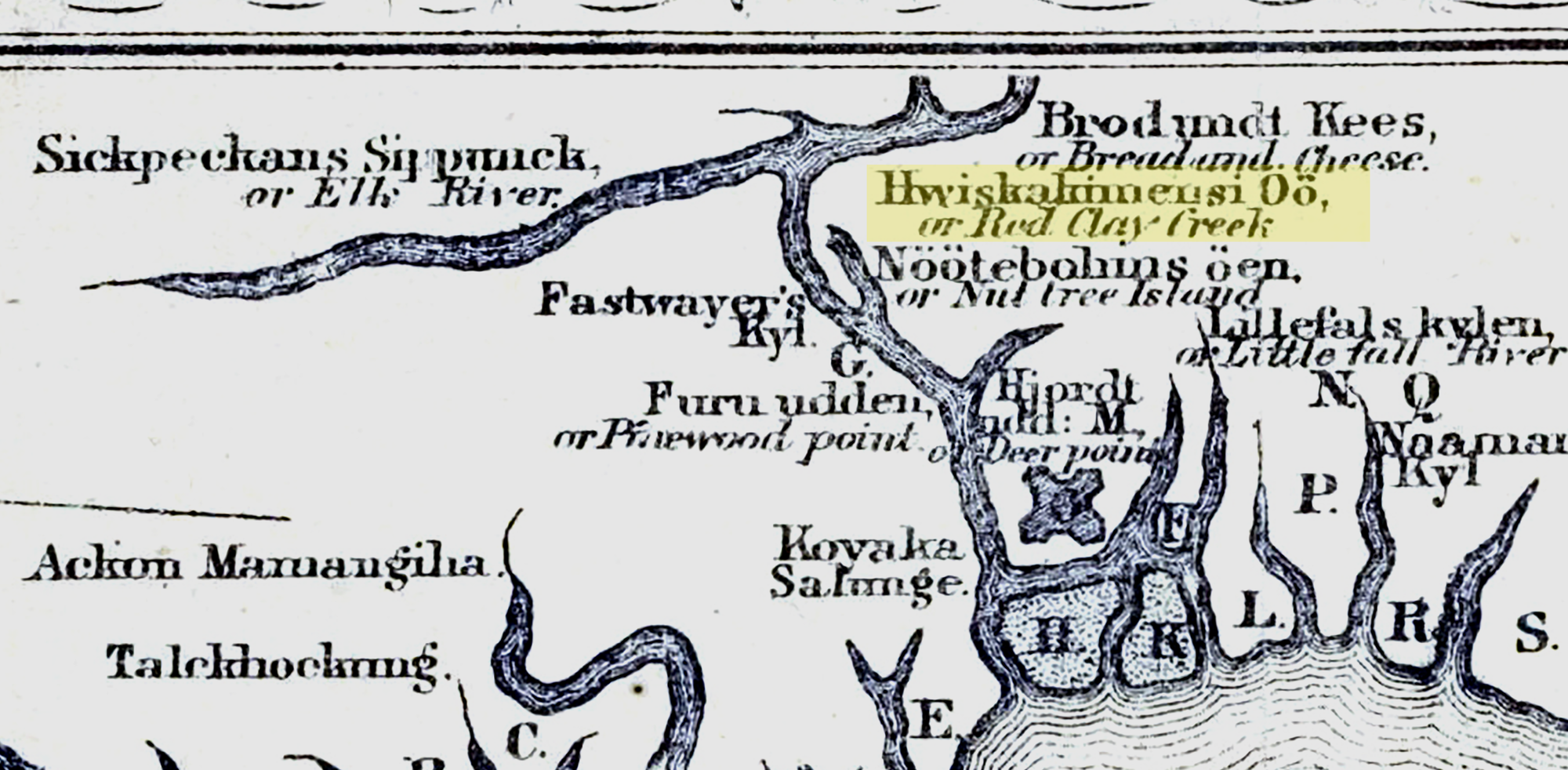
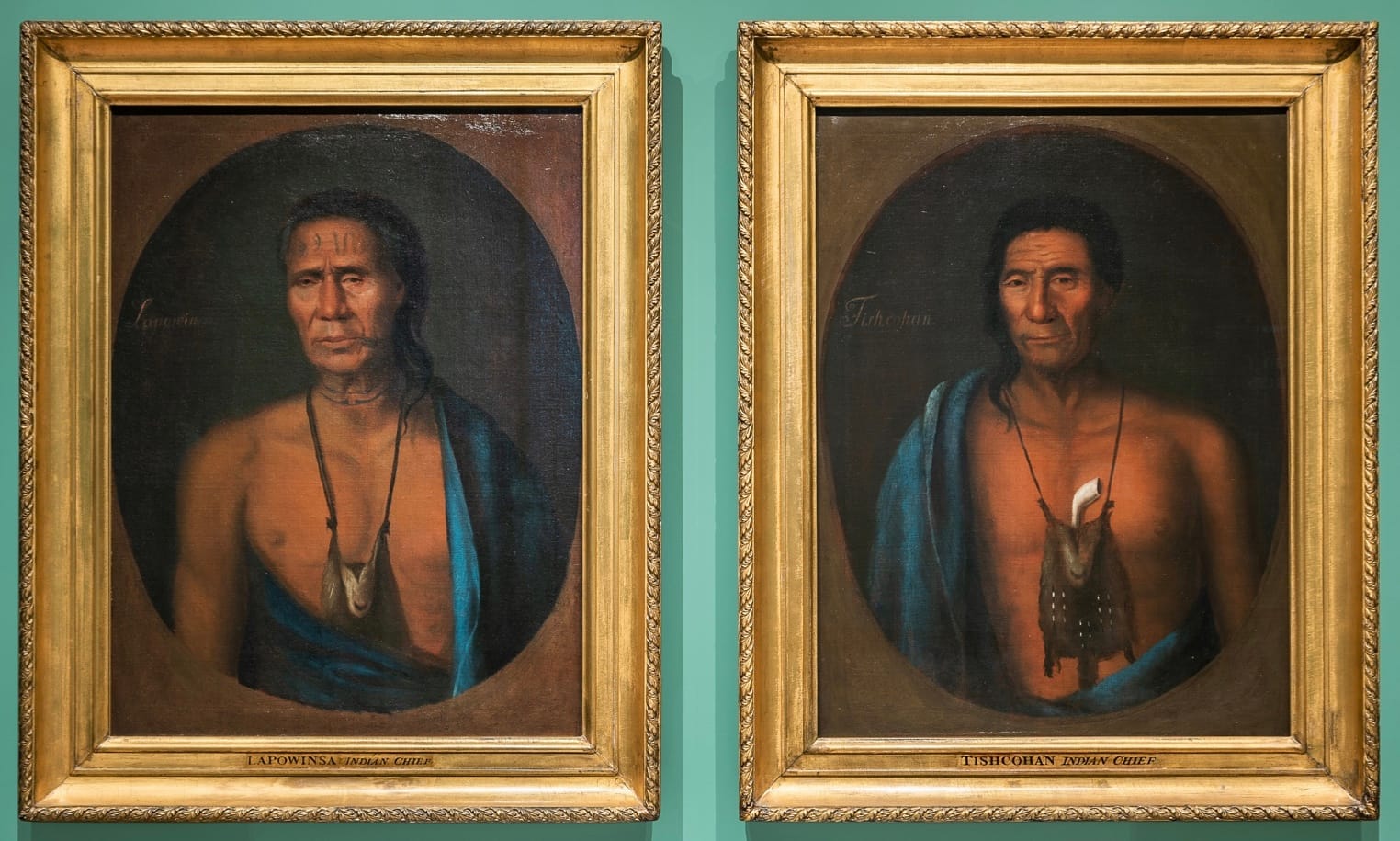
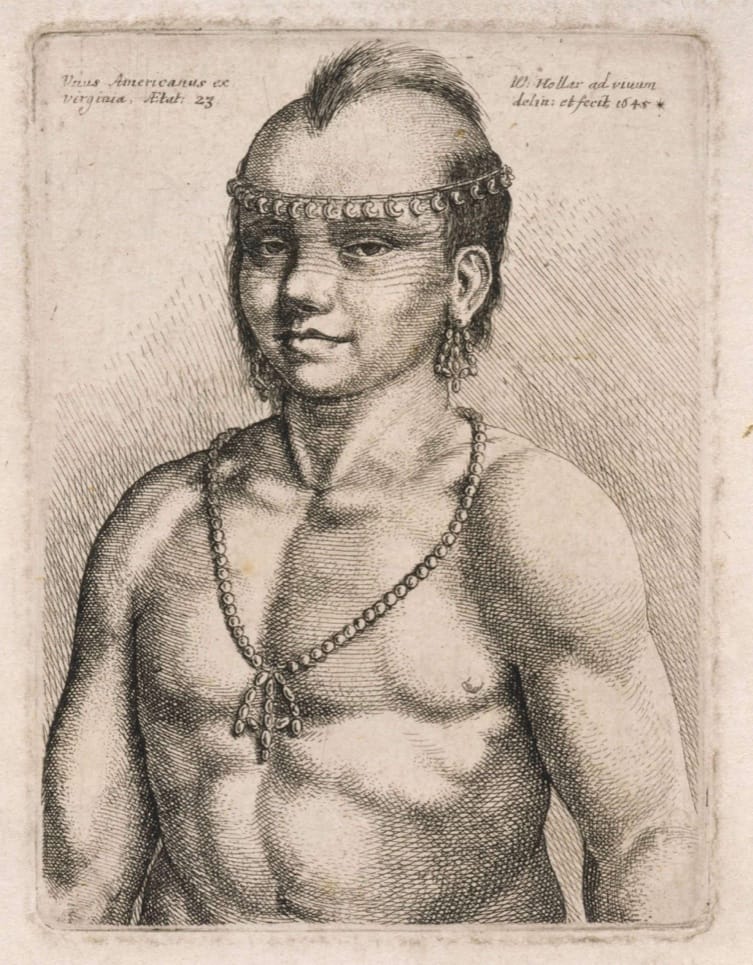
There’s no hard proof that the Lenape lived in what is now Nixon Park, but regional evidence provides compelling support for the idea that they did.
Archaeological sites in our region can’t be identified with a specific culture on the basis of material evidence alone. We tend to want to classify and arrange indigenous cultures according to rules that indigenous people likely never applied to themselves.
Our knowledge of them is indirect and incomplete because by the mid-1700s, we had dispossessed them of their land forced them westward.
The late Professor of Anthropology at West Chester University Joseph Marshall Becker corrected long-standing misconceptions and showed the Lenape not as a fading people, but as resilient communities adapting to a world in upheaval.
He concluded that the Lenape story was misread and misinterpreted by ethnographers for around two hundred years blending later accounts with earlier times. Becker researched land records from the Dutch, Swedes, and William Penn painting a sharper picture of Lenape life around 1660, a time of upheaval.
By then, many groups were already moving west, driven by epidemic disease, the destruction of the Susquehannock by the Iroquois destabilizing indigenous politics, and pressure from European settlement.
Archaeology shows not decline, but resilience. The Lenape endured and adapted in the face of change.
The colonial people who settled Chester County did not disappear, and the Lenape people have not disappeared either.
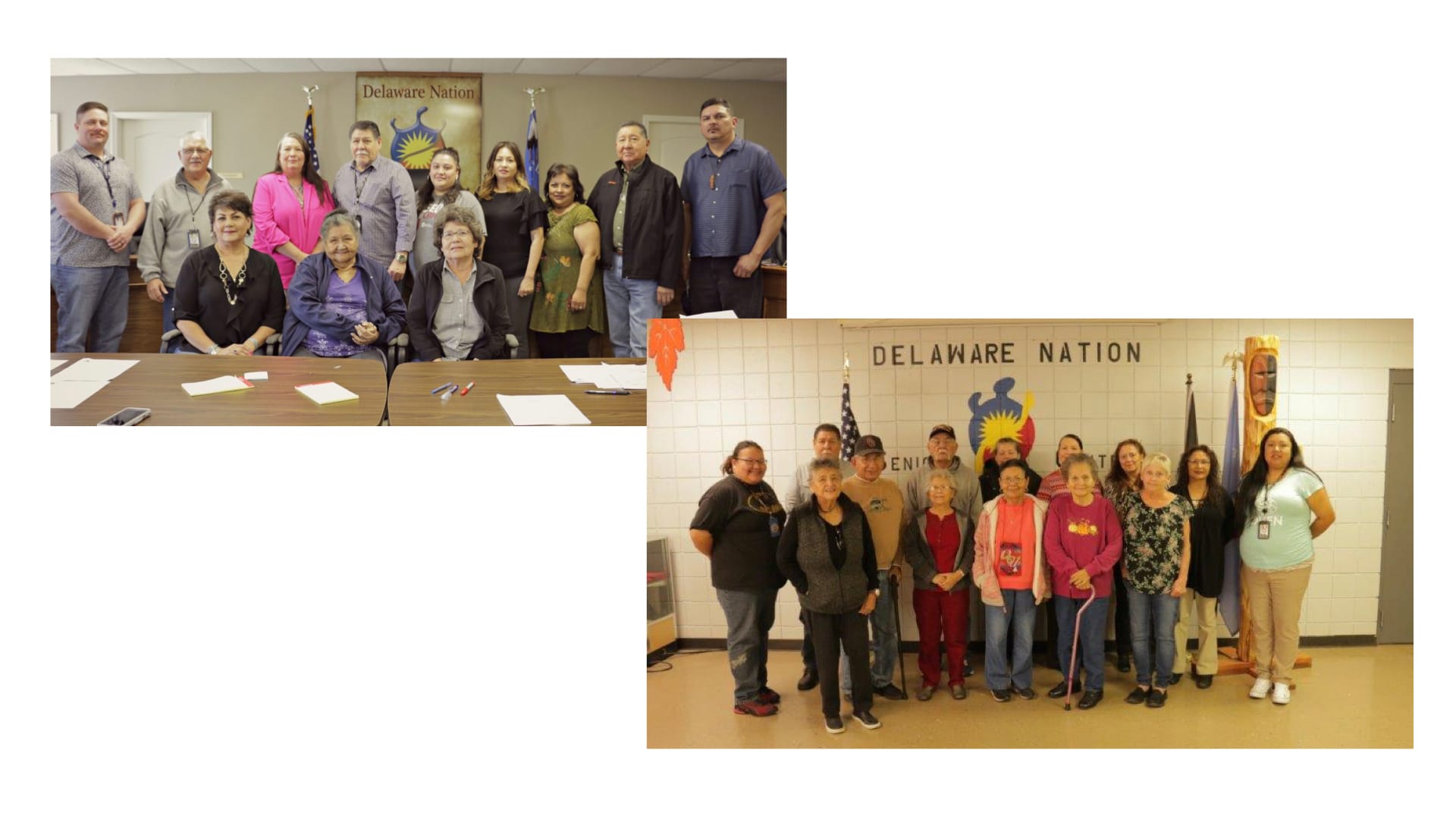
Today their descendants live in several federally recognized Tribal Nations or First Nations in Oklahoma, Wisconsin, and Canada. Some families and citizens of these nations are also spread across North America.
There are local groups and individuals who claim Lenape heritage, these claims may be contested by the nationally recognized nations.
There’s a number of years I’m going to gloss over shamelessly, mostly because I do not enjoy wading through property deeds, surveys, and grants. They are the genealogical equivalent of doing your taxes. Important, yes, but not exactly thrilling.
I’ll just say that the land was granted, divided, sold, and reshuffled until the parcels that became Nixon Park took shape—and save you from the excruciating details.
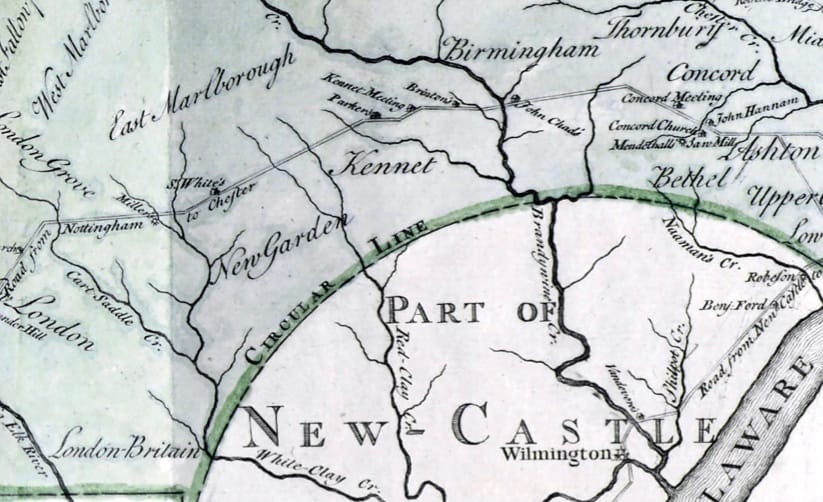
William Penn’s original grant, surveyed as Stenning Manor in 1701. By the mid-eighteenth century, it was a settled Quaker farming community, its landscape dotted with meetinghouses, mills, and family farms.
The Quaker families who lived here were careful record-keepers, preserving deeds, minutes, and sufferings. What we can see clearly is that this was a countryside defined by careful husbandry, by the rhythm of meetings and markets, and by a desire for peace in the midst of war
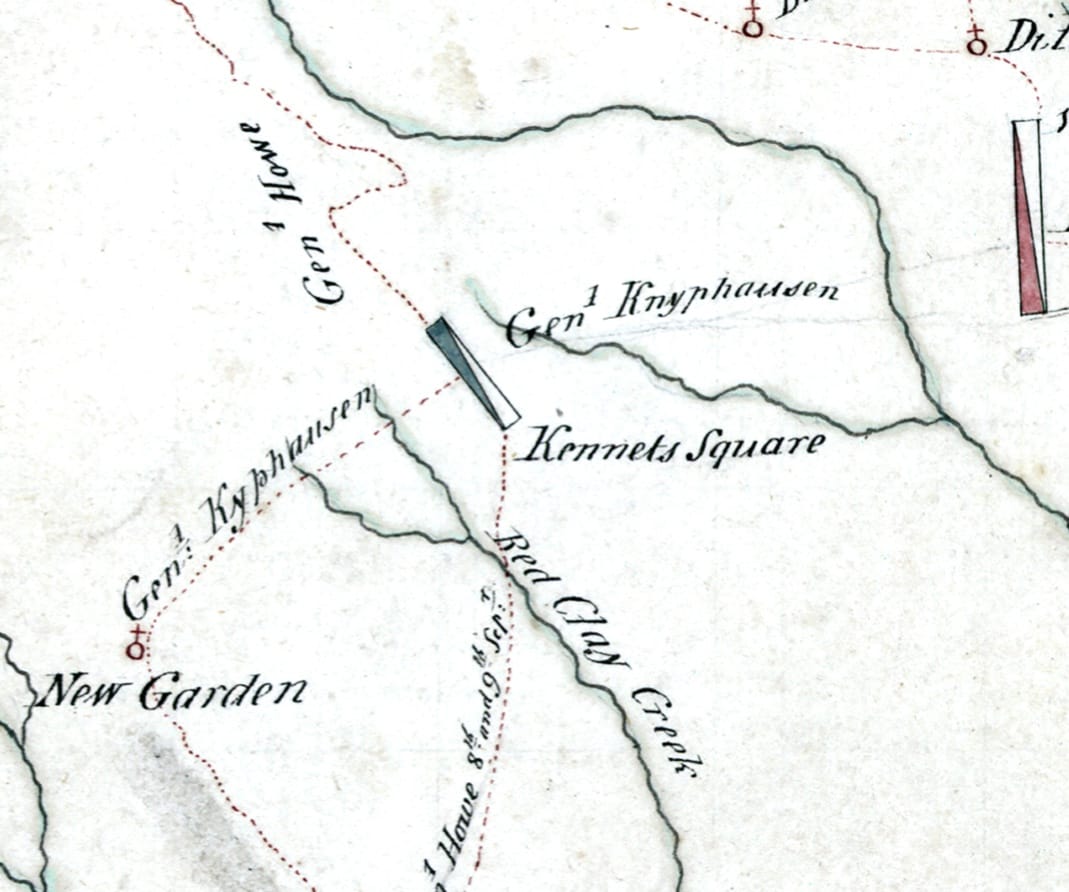
When the British army advanced through the area in September 1777, the farms of Kennett lay directly in their path.
On September 10, as Cornwallis’s column marched north through the township, thousands of troops bivouacked across the fields.
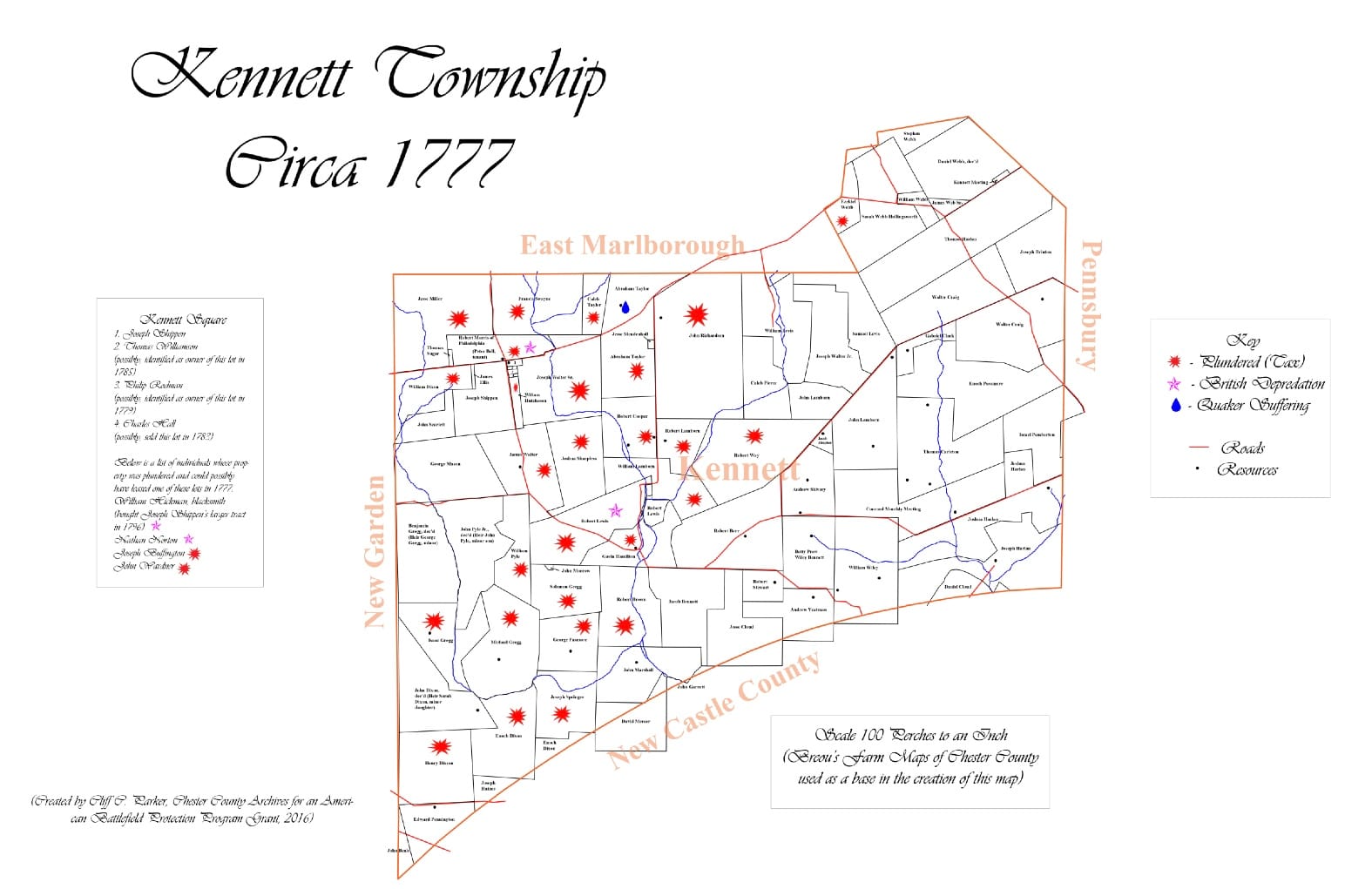
Among the properties overrun was the 160 acre farm purchased by Francis Swayne in 1762. Swayne was a saddle-tree maker, first a member of New Garden Meeting by 1777 transferred to Kennett Meeting.
His farm, with its barns, houses, and shop were plundered, stripped of supplies in the same way as many neighboring farms. Yet the property endured. By 1783, records show that the Swayne farmstead had recovered supporting two dwelling houses, a barn, and a shop.
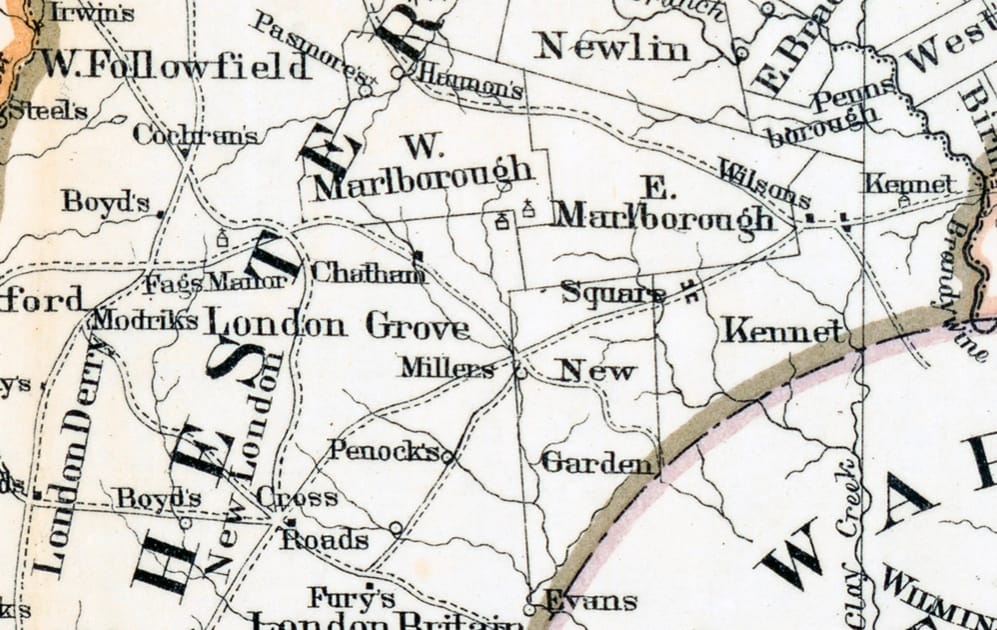
In later generations, the Swayne name became still more closely tied to Kennett’s agricultural identity, as William Swayne pioneered mushroom cultivation in 1896, laying the foundation for the industry that would define Kennett Square.
William Chambers purchased the land, and the Chambers family held it from the 1700s until the 1950s. We are unusually well-informed about their lives, thanks to Uncle Jack—John T. Chambers—and the papers he left behind.
The Chambers family was involved in the wool trade in England, and carried it to London Grove.
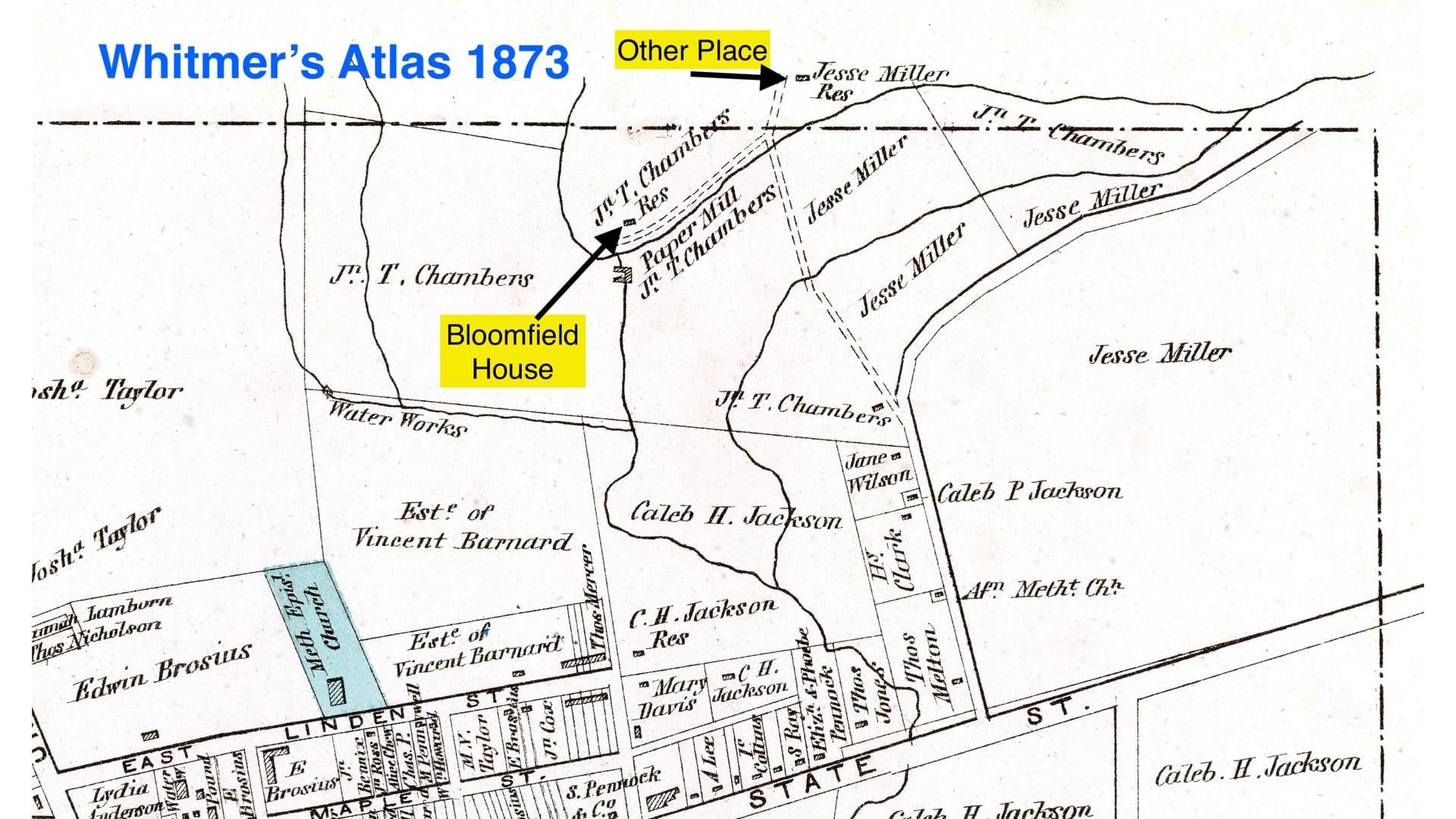
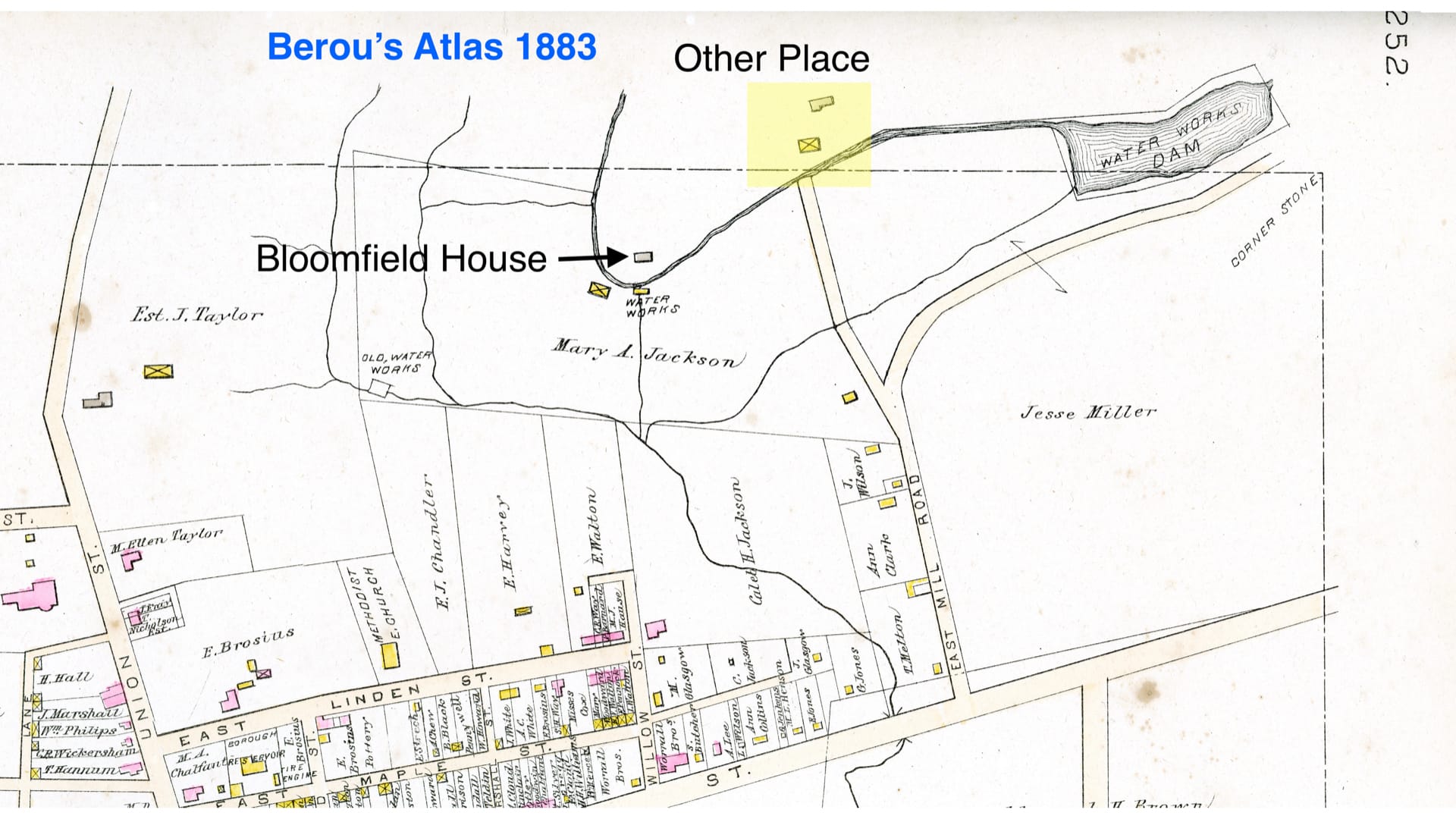
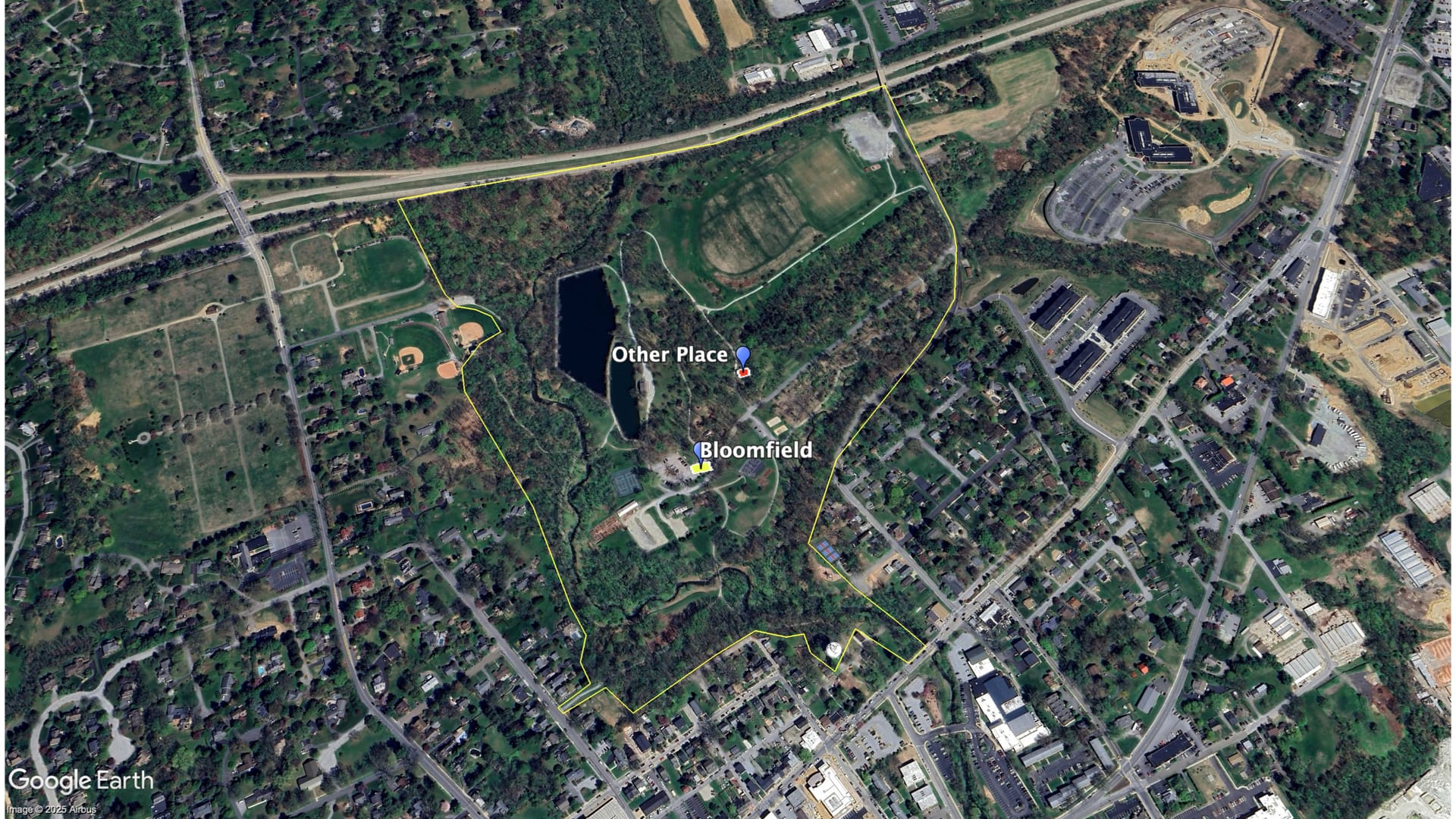
In 1790, William Chambers married Susanna Pusey. Together they moved to property along the east branch of Red Clay Creek, first to a farm known as Otherplace, and then at Bloomfield that had a small fulling mill.
Their son, John Pusey Chambers, inherited Bloomfield with its thirty-six acres and the water-powered mill. He expanded the business, adding machinery for yarn, flannel, and broadcloth.