Tools for Identification
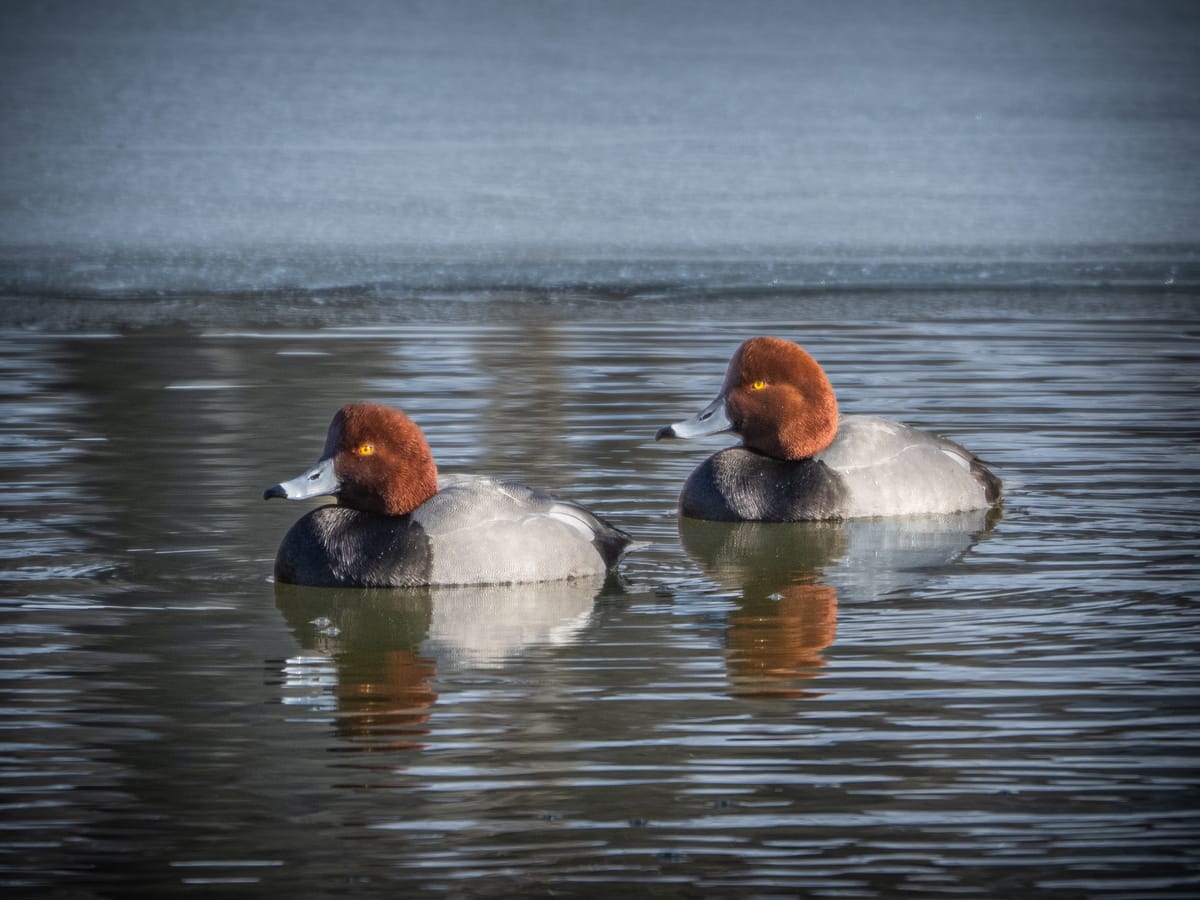
Names are the way we humans build relationship, not only with each other but with the living world... imagine what it would be like going through life not knowing the names of the plants and animals around you... scary and disorienting — like being lost in a foreign city where you can’t read the street signs.
Braiding Sweetgrass by Robin Wall Kimmerer
For most of my lifetime nature guides were the quickest way to learn the names of things, but that has changed significantly in the last few years. Now it's possible to point a camera or microphone and get a highly educated guess at exact what you are looking at or hearing.
I've learned a lot from using the tools I use nearly every day -
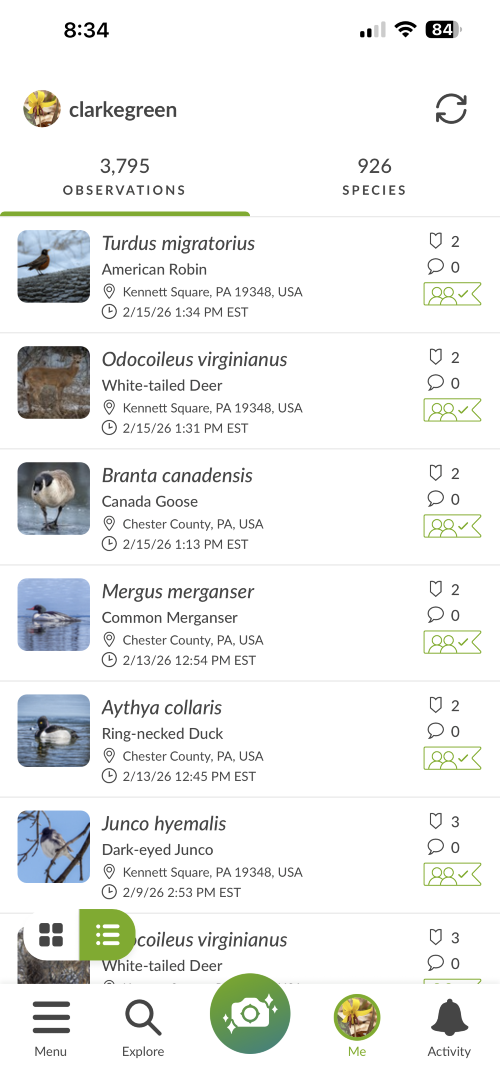
iNaturalist
iNaturalist is a global, open (free) app that has become a valuable citizen-science platform. It functions both as a field notebook and identification workshop, where beginners and specialists collaborate.
Anyone can photograph -a living thing and share it as an observation. The app suggests an identification that the observer can add to the observation. Others can confirm the identification, suggest alternatives, and discuss the observation. If the observation is verified by another it is labeled “Research Grade”.
The result is a curated dataset used by scientists, researchers, land managers, and conservation planners all over the world.
Resources to get you started with iNaturalist
eBird
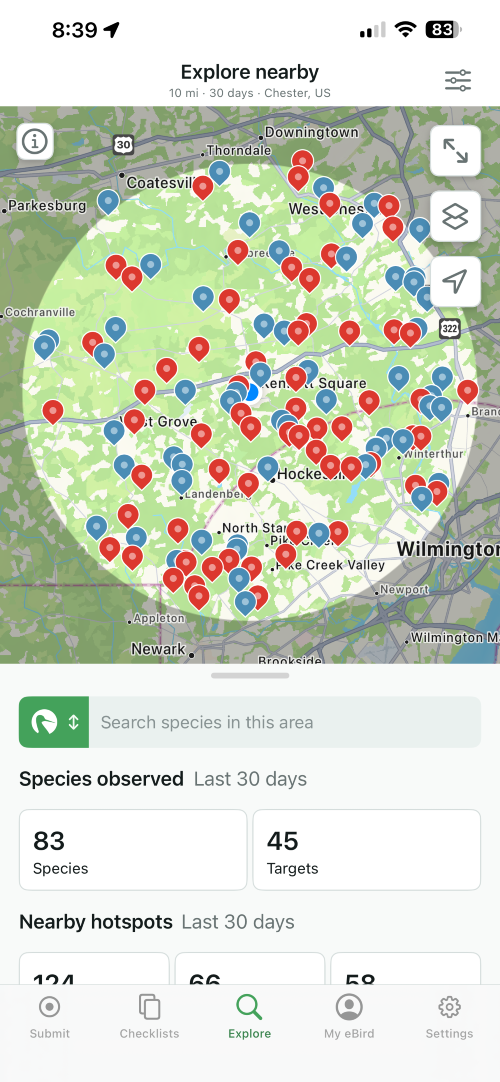
eBird, created by the Cornell Lab of Ornithology, focuses exclusively on birds. Instead of single observations observers create checklists that record location, time elapsed while observing, and how many of each species were seen or heard.
Unusual reports are flagged automatically and reviewed by regional experts. The result is a continuously updated map of bird distribution built from structured field effort.
I don't use eBird to record observations, but I do refer to the database fairly often.
Merlin
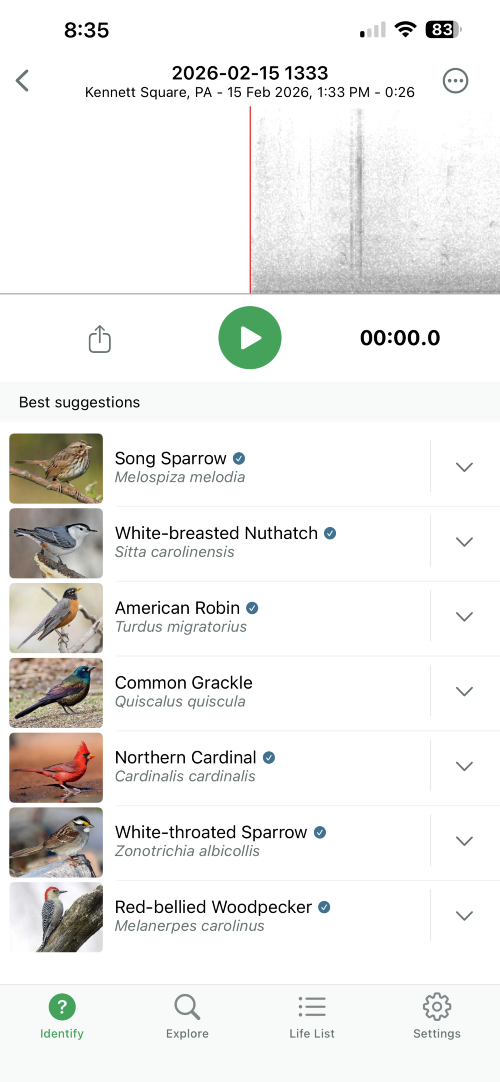
Merlin Bird ID is a free app from the same lab that manages eBird. It is an identification tool; eBird is a data archive. Many use Merlin to identify a bird in the field, then submit a confirmed sighting through eBird. Together, the two systems link personal discovery with large-scale scientific tracking.
I use Melin's Sound ID at the park to get real time suggestions of what birds I are hearing. It's a remarkable resource that is as magical as its namesake.
Notes on Using the Identification Tools
General Advice
1. The identifications suggested by any of these resources all require confirmation.
2. If you are submitting pictures
- Get closer!
- Shoot multiple angles and images
- Take photos that are sharp and in focus
iNaturalist
When I submit an observation to iNaturalist I wait to see if anyone else confirms the identification. 80-90% of my observations are fairly common plants and animals and are confirmed within a few minutes to a few days.
Insect identifications generally take longer, and are often only confirmed at the level of family or group rather than species. Since many species identifications of insects require anatomical measurements that can't be accomplished with a photograph I am satisfied with a non species identification.
Taking clear photos that are close enough to the subject is often a challenge with a cell phone. I have a DSLR camera with a powerful telephoto lens and submit my observations after I have loaded the images on my home computer.
If I am walking along and see a (for instance) a Hackberry tree but I have forgotten the name, or just want to confirm what I think I am observing, I'll check using iNaturalist option that provides suggested ID when you aim the camera at something without turning it into an observation. This is a great learning tool.
eBird and Merlin
Plenty of dedicated birders create daily checklists using eBird, but I am more of a generalist than a dedicated birder so I do not. I do consult the eBird database from time to time to see how often a given species has been spotted at the park, to check on migration timing, etc.
I use Merlin frequently, although not as frequently as I once did. If I am on a walk and hear birds I don't recognize I'll use Merlin to get an ID. I've done this often enough over the past few years I can recognize about 80-90% of what I am hearing - that should be a strong endorsement of its educational value.
There are times when the bird you are attempting to identify is too far away, or is drowned out by other noises (thanks Rt. 1 Bypass), or (frustratingly) stops singing as soon as you turn on the app. I have had some false hits when Merlin couldn't hear quite well enough, so when in doubt I always confirm the identifiaction by listening for an extended time, or by playing back the many refernce recordings available on the app.
My take on AI
Once humans began memorializing our thoughts by employing a symbolic languages (cave painting to writing) we invented forms of artificial intelligence that would long outlive the human that created it. Technology (from cuneiform to super computers) has introduced successive methods of preserving and collecting human thought and making it increasingly available to individuals. The only artificiality is in the symbolic record, the content is all of human origin.
Naysayers have launched their Jeremiads at every progressive technology but, almost without exception, these dire predictions have proven wrong.
If you employ AI you are working with intelligence of human origin, not some alien force to be feared or mistrusted.