July 19-26 at Anson B. Nixon Park
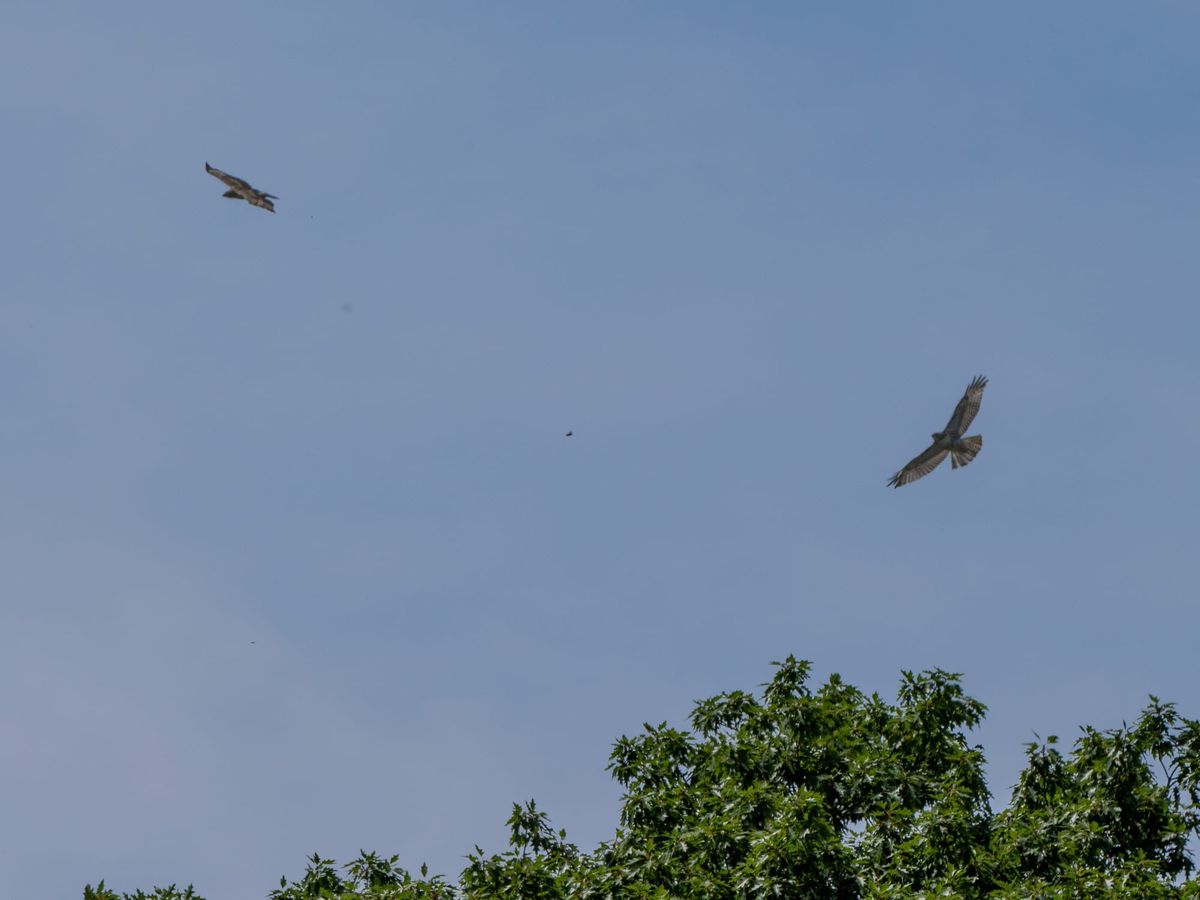
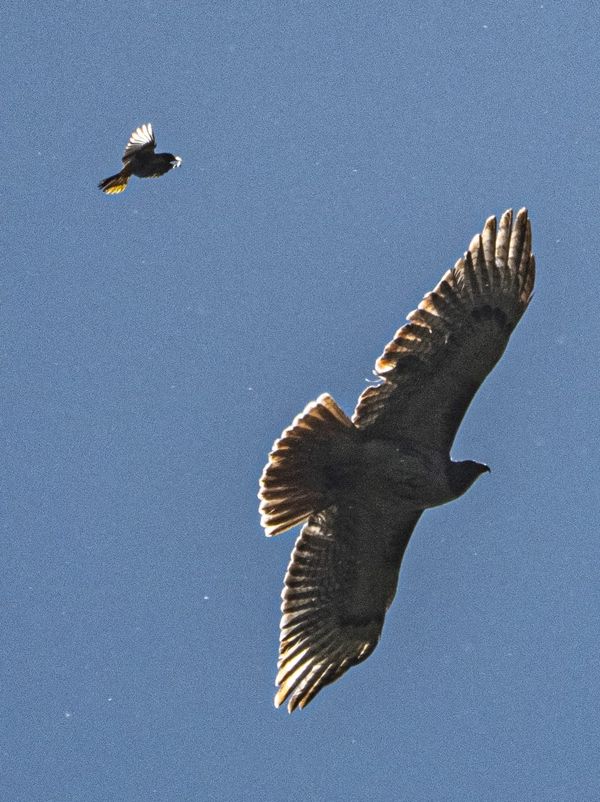
Fledglings make a lot of racket, and none are louder than Red-tailed Hawks.
One morning this week I heard a Red-tailed hawk calling repeatedly but I couldn't spot it. I thought it may be a Blue Jay imitating the hawk's call (they are very good at mimicking a hawk call to send birds competing for a food source scurrying for cover). As I rounded a corner on the trail I did see a flash of a hawk flying away too fast to photograph.
When I returned later in the day there were two fledgling hawks in the area where I heard the calling earlier. They had been calling for some time and continued until they later flew away.
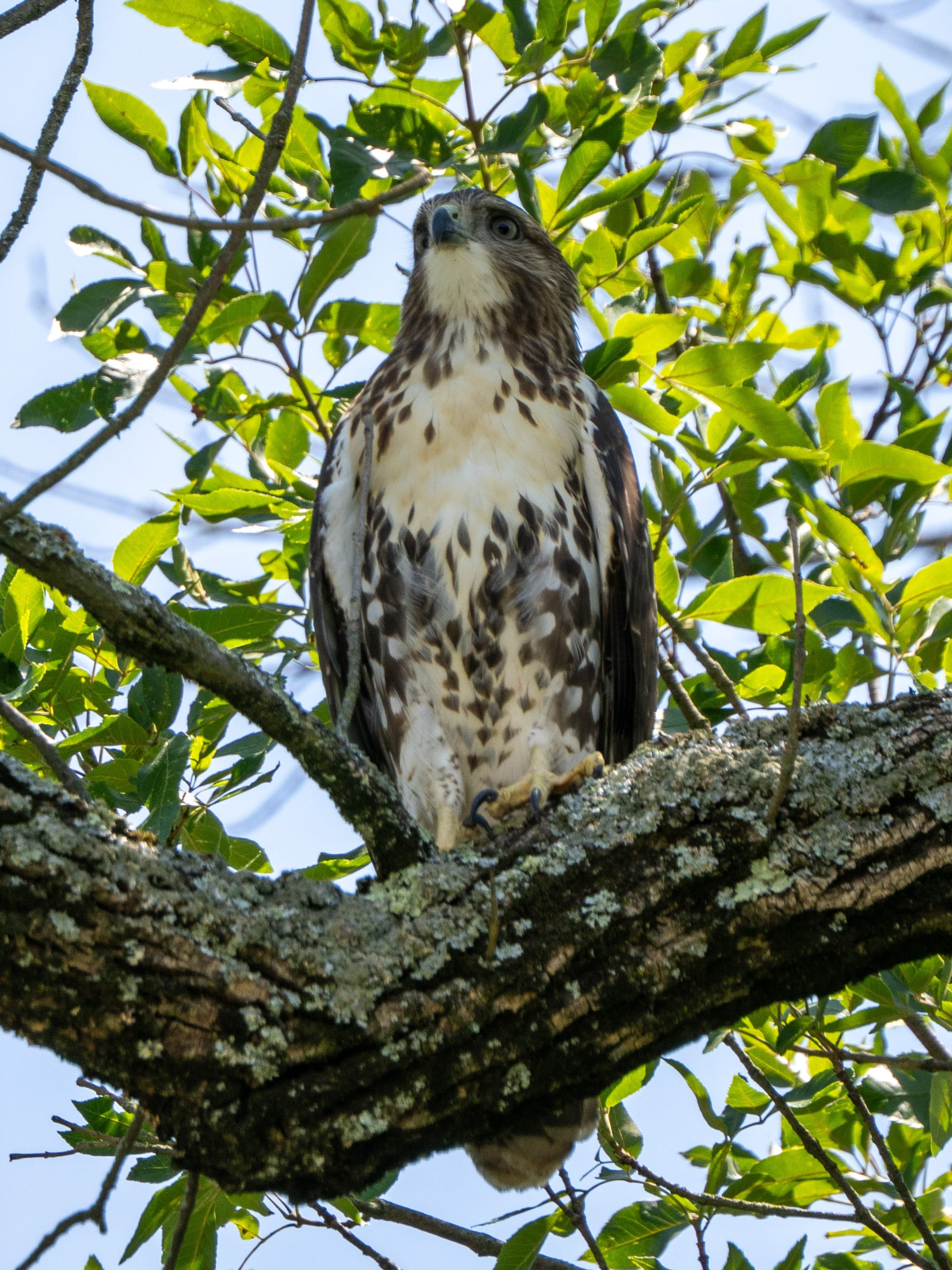
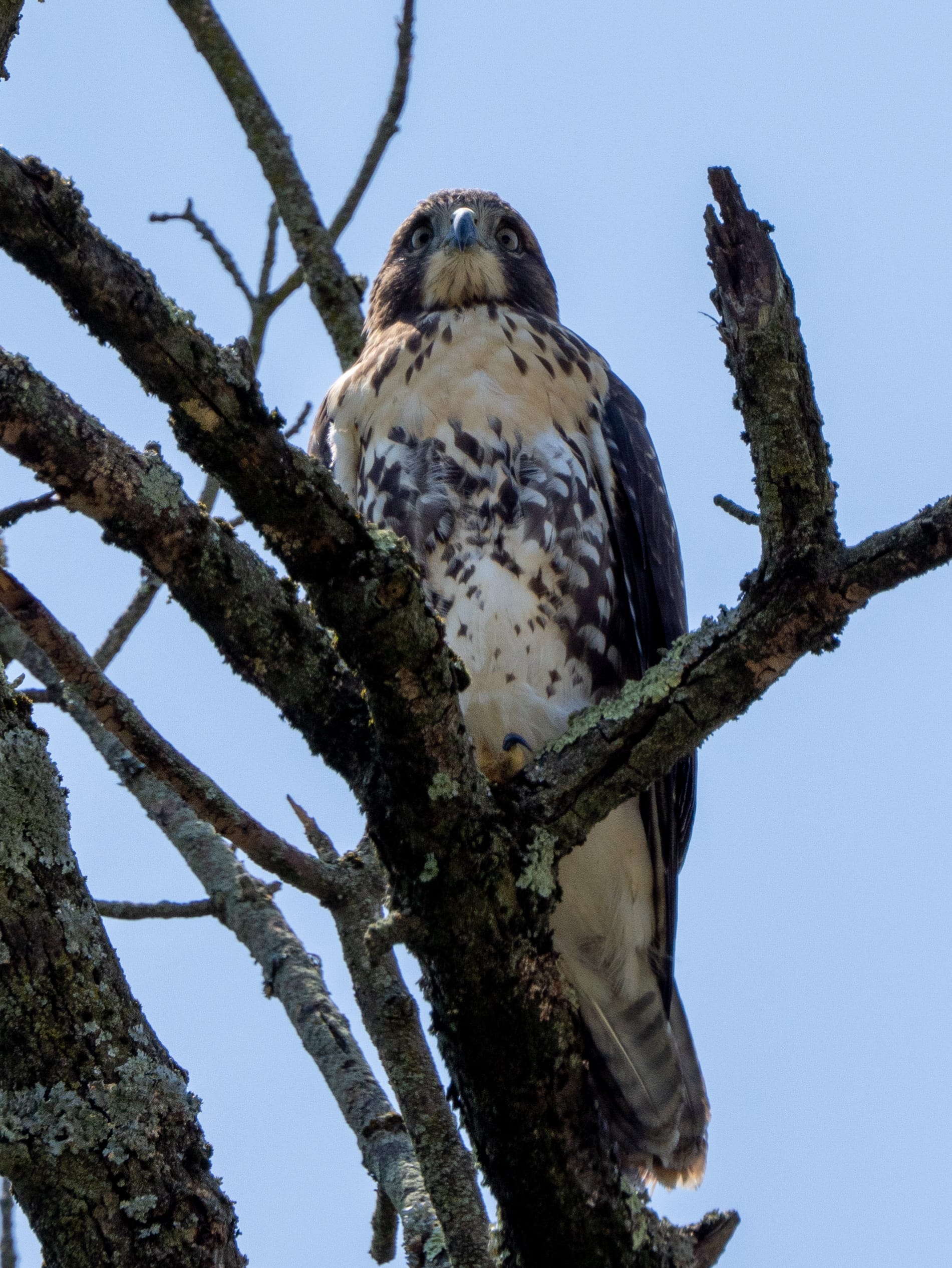
The two fledglings.
After they have learned to fly and left the nest fledgling hawks will continue to be fed by parents until they have learned to catch their own food, then the parents leave them to fend for themselves. They call plaintively to be fed until, I guess, they figure out they better fend for themselves. I think I was likely watching the end of the process as the two fledglings took off and flew some distance away.
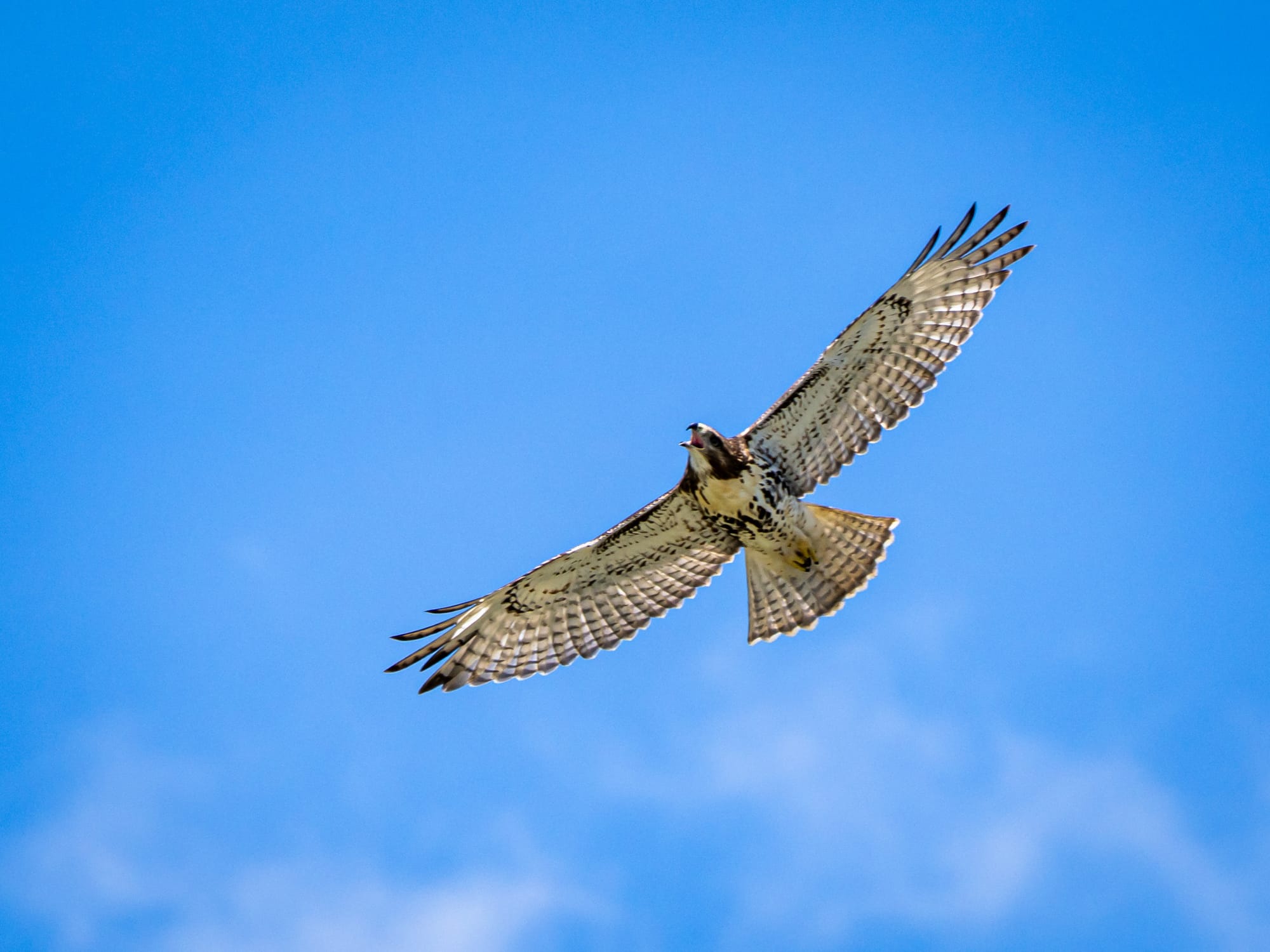
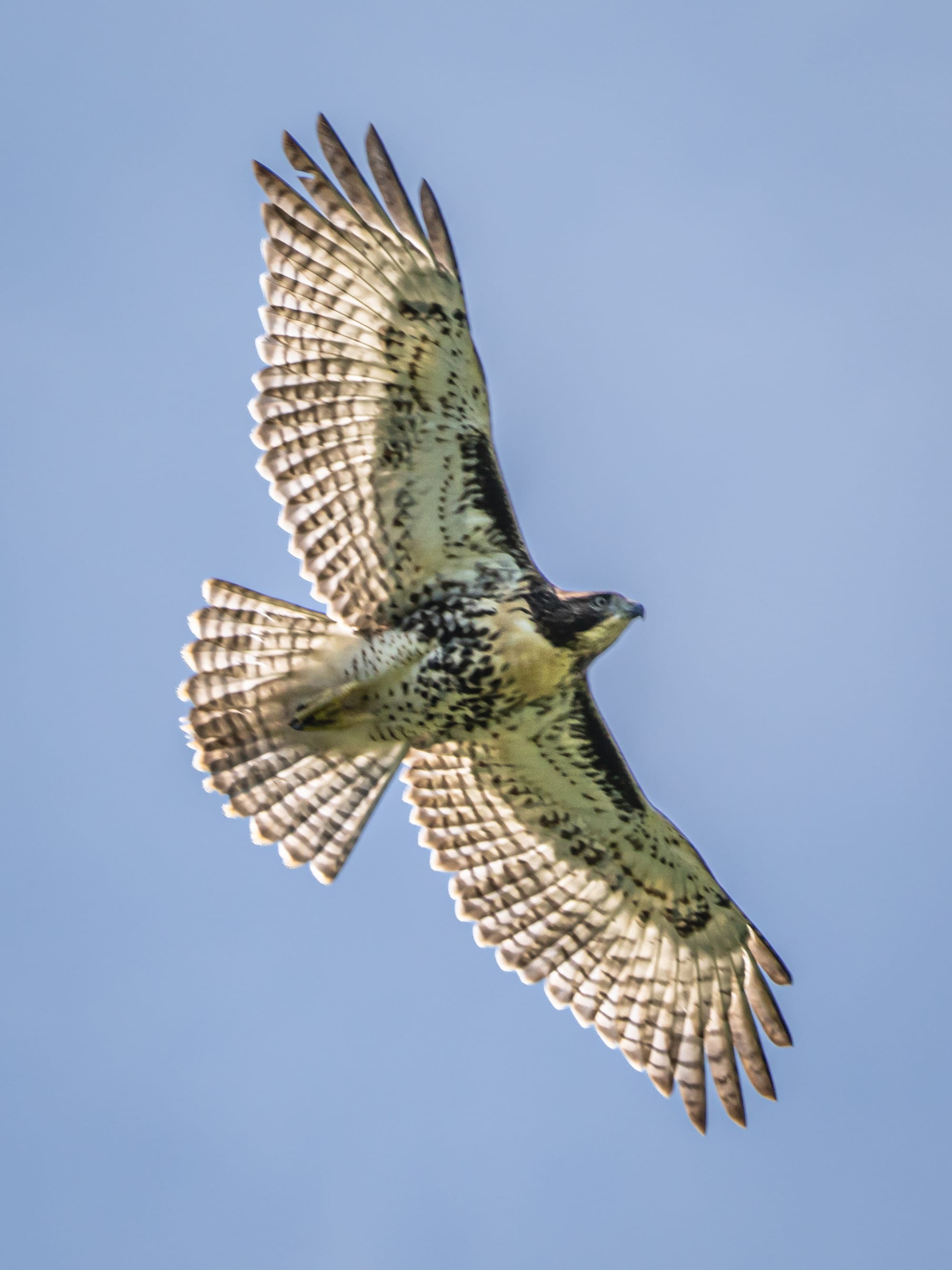
The fledglings flew away (as you can see they continued calling).
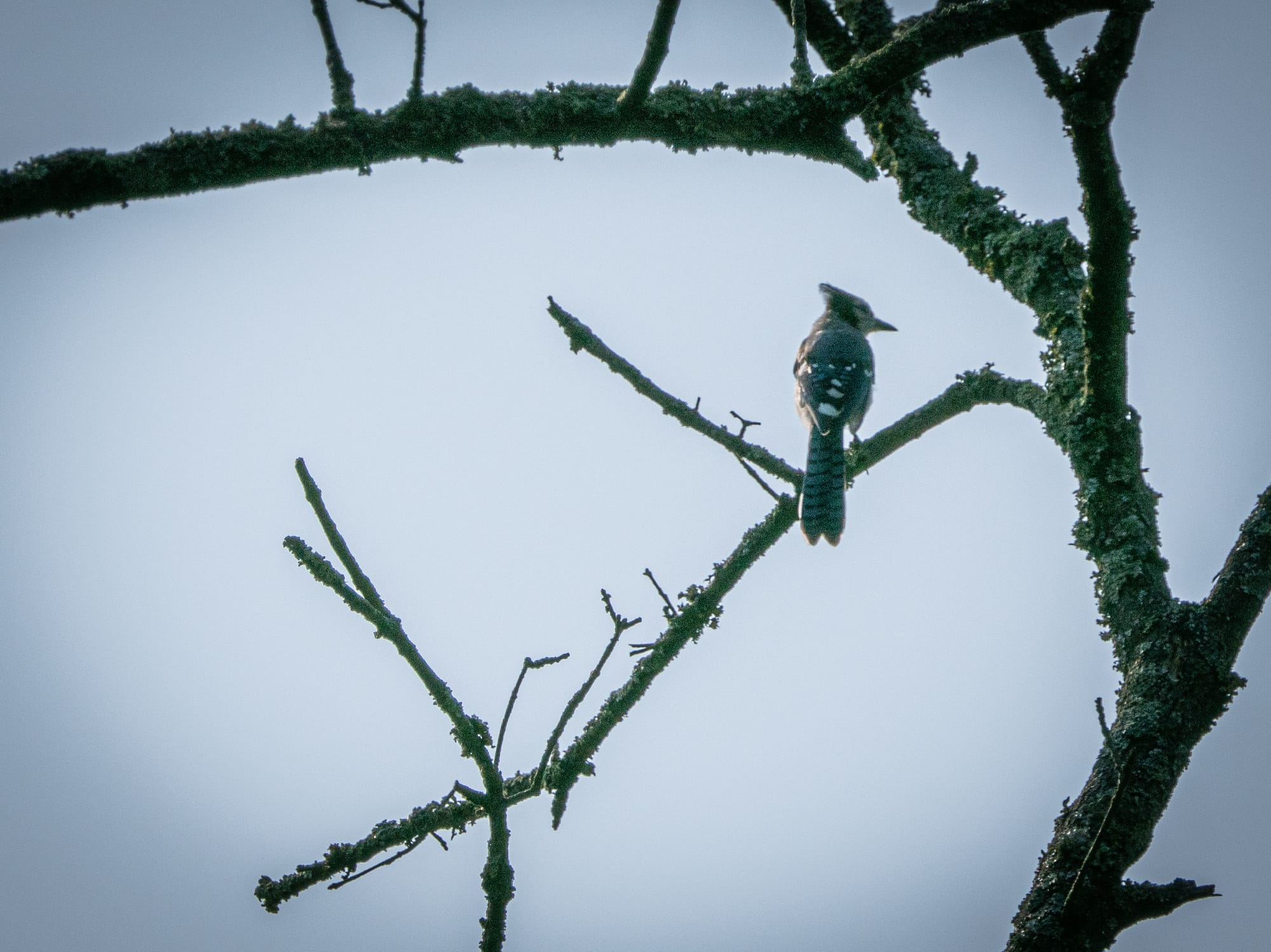
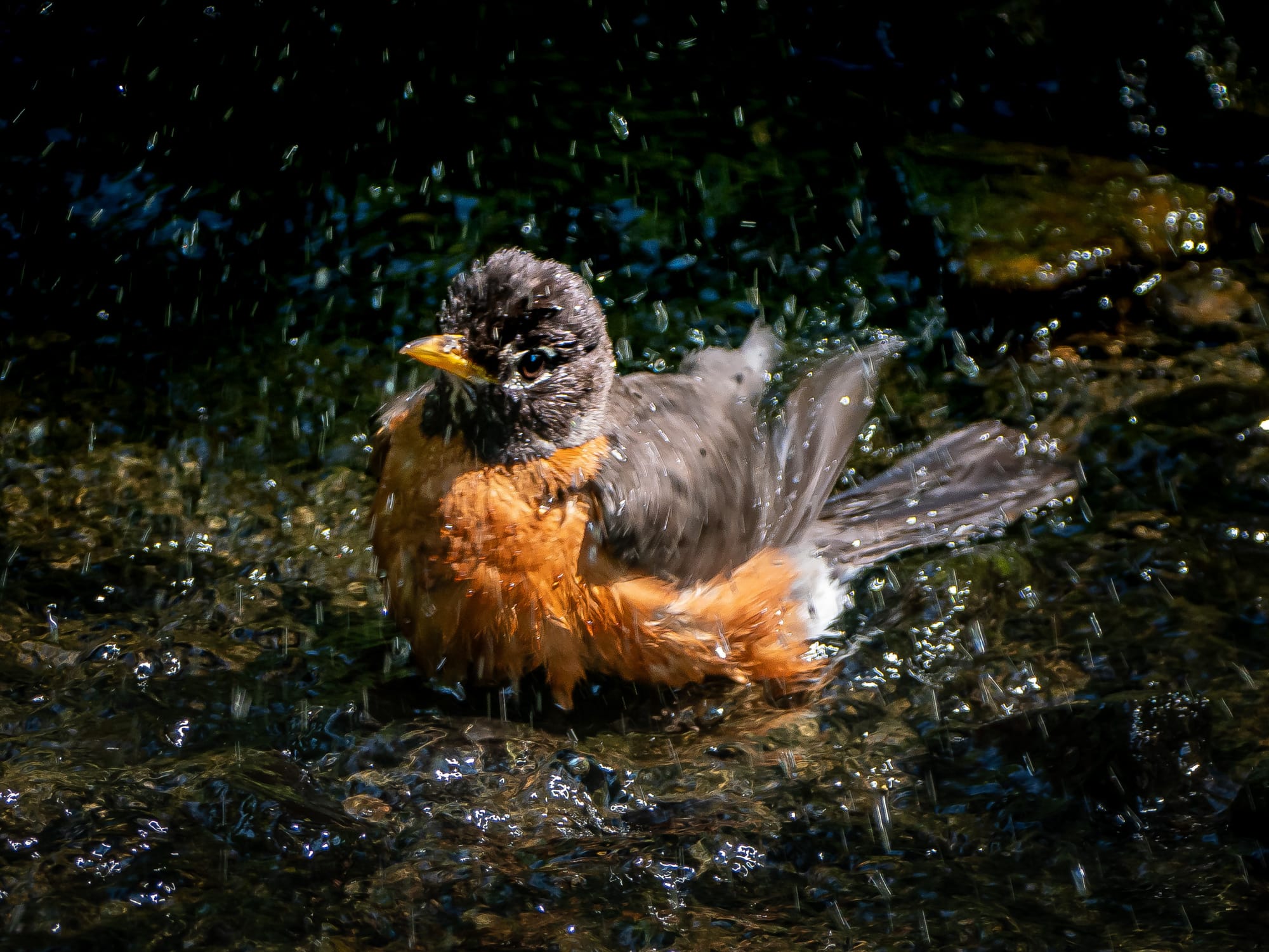
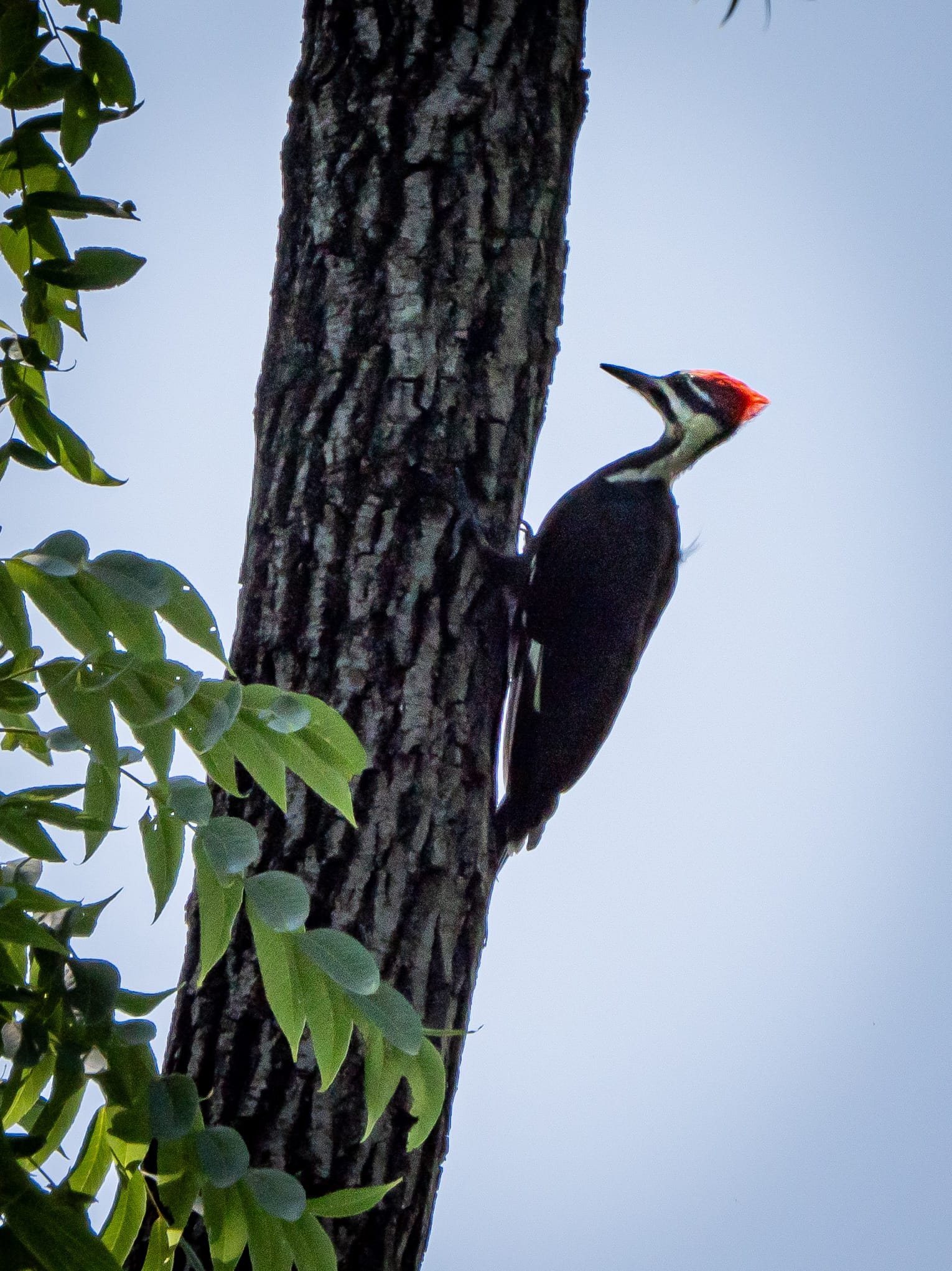
Bluejay, Bathing Robin, and a Pileated Woodpecker
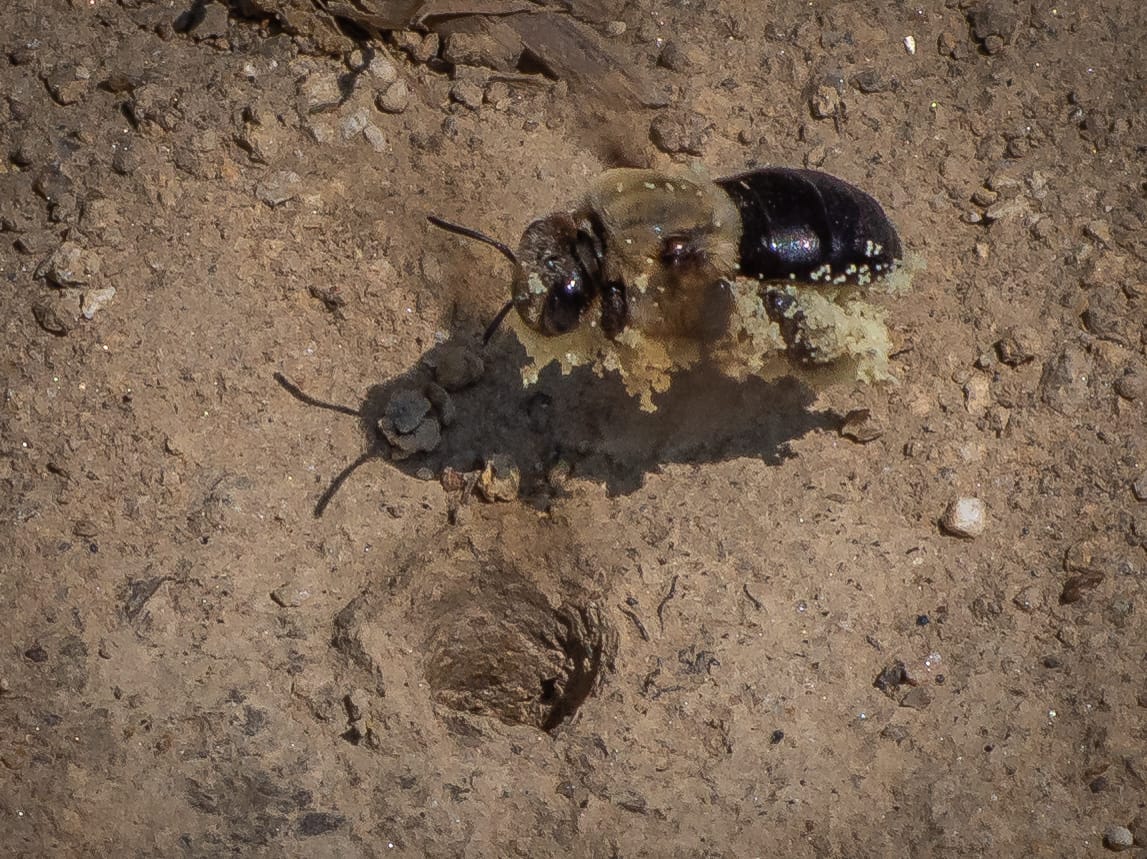
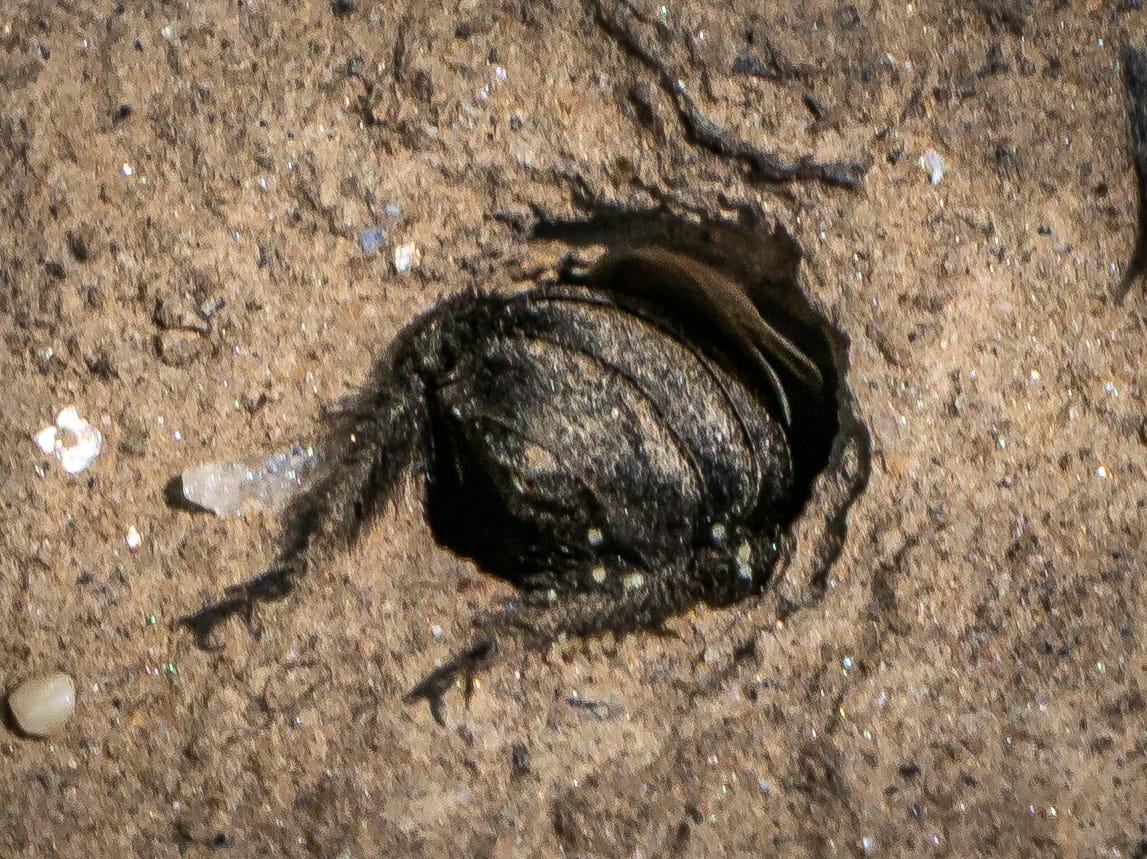
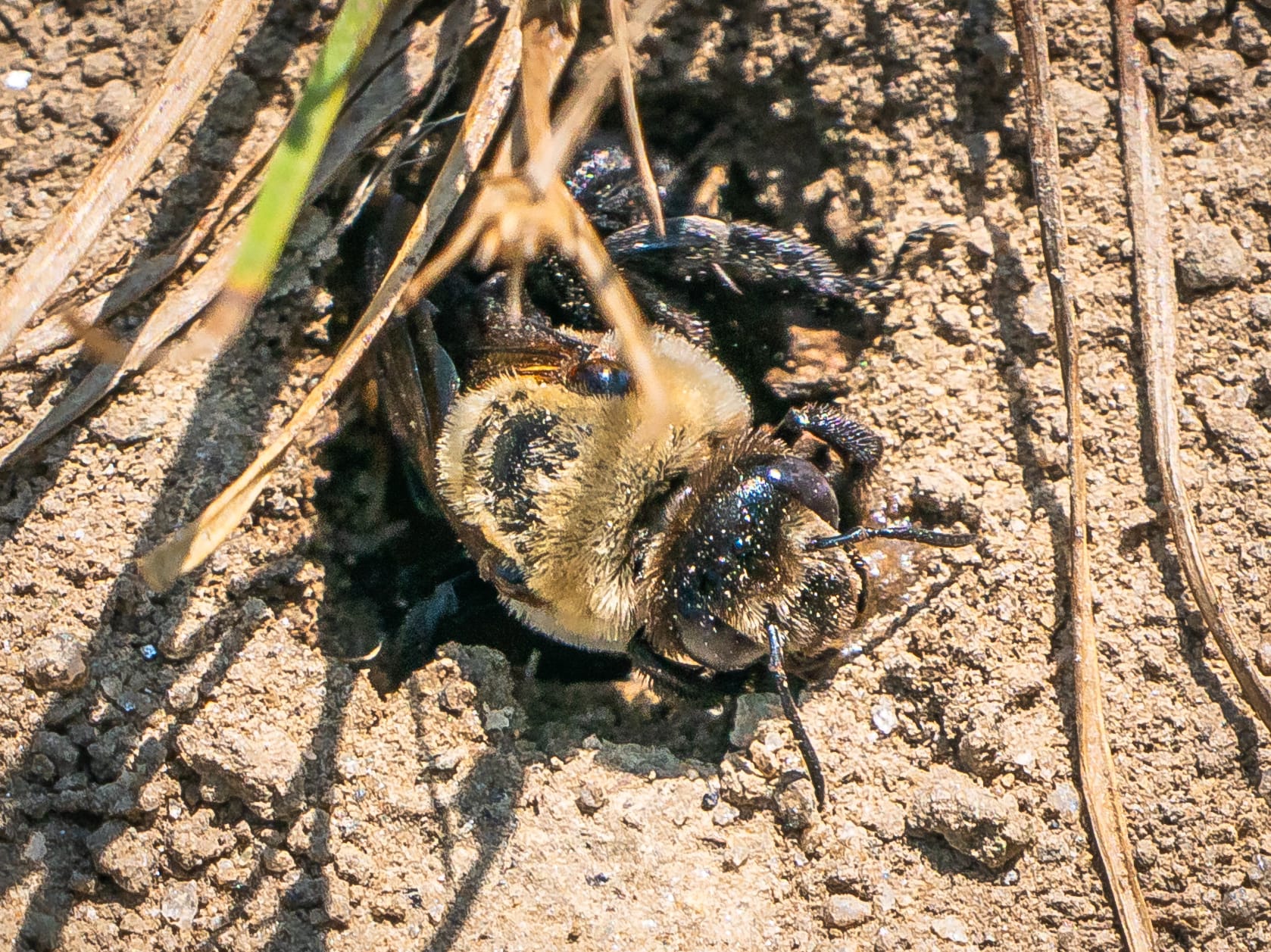
The Hibiscus Turret Bees are active now, I wrote at length about them here.
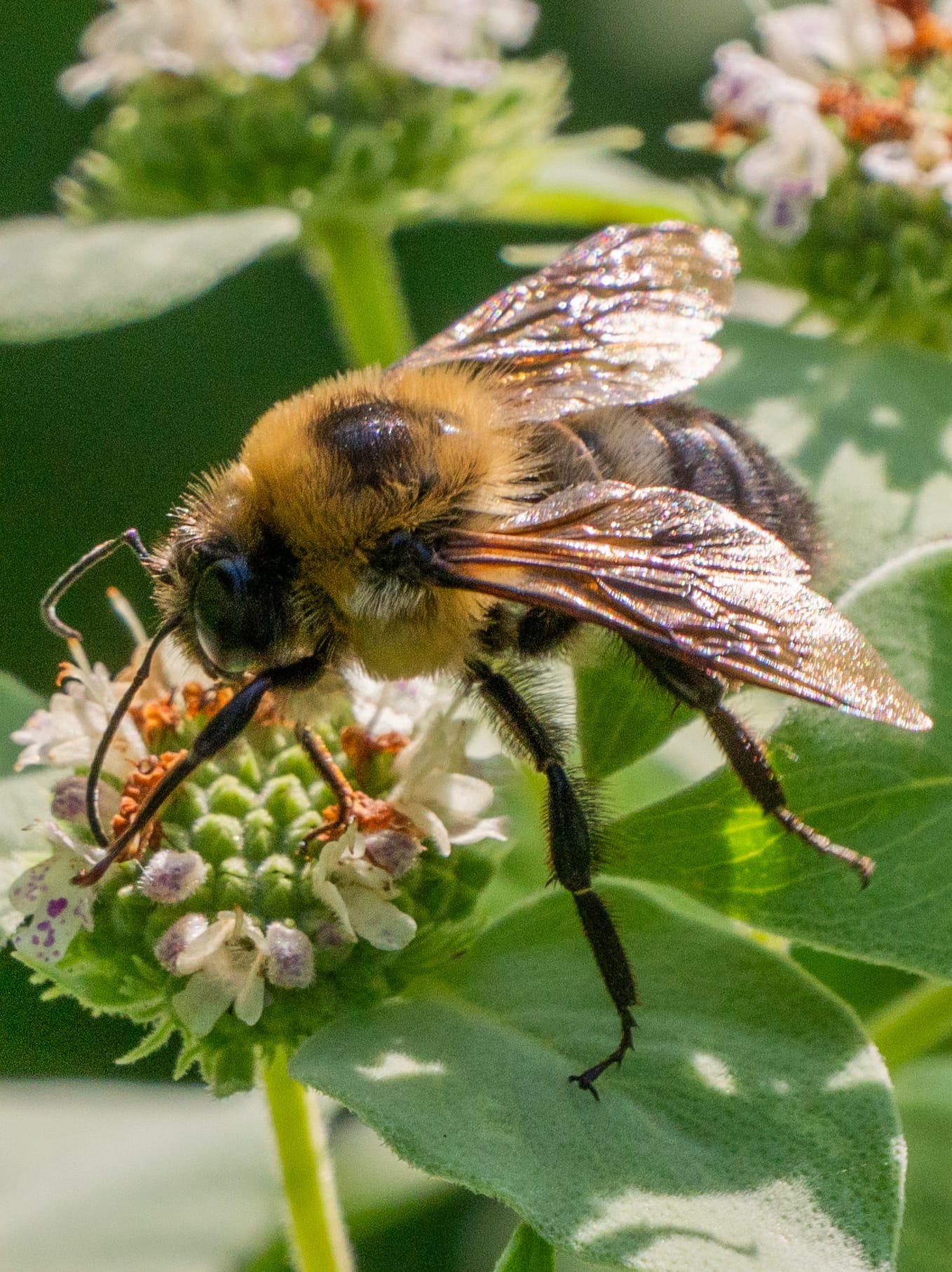
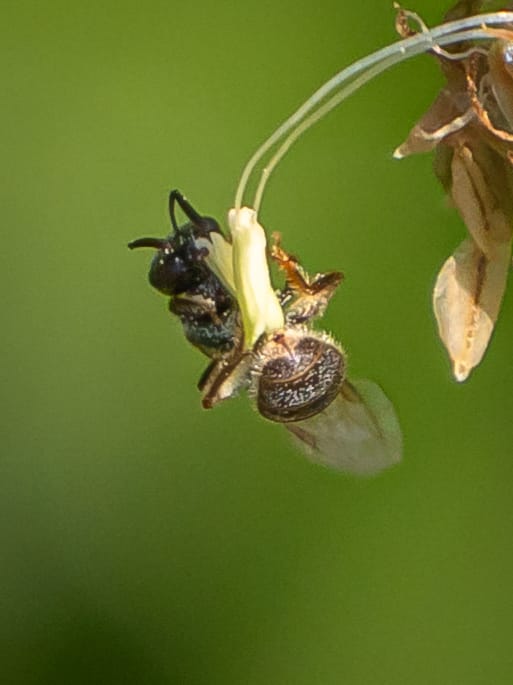
Brown-belted Bumblebee and a Bristle Sweat Bee, one of the largest and smallest bees you are likely to see at the park.
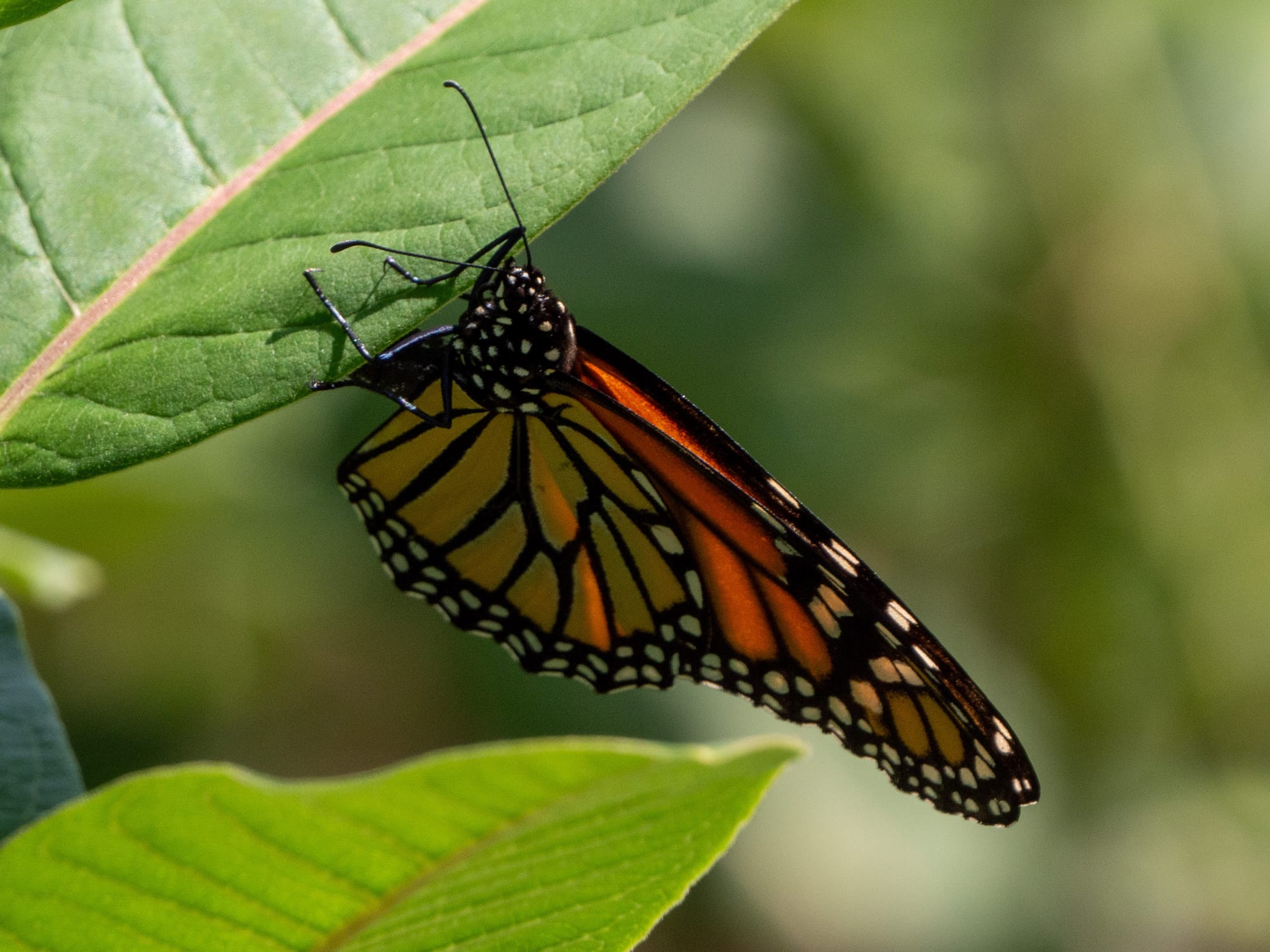
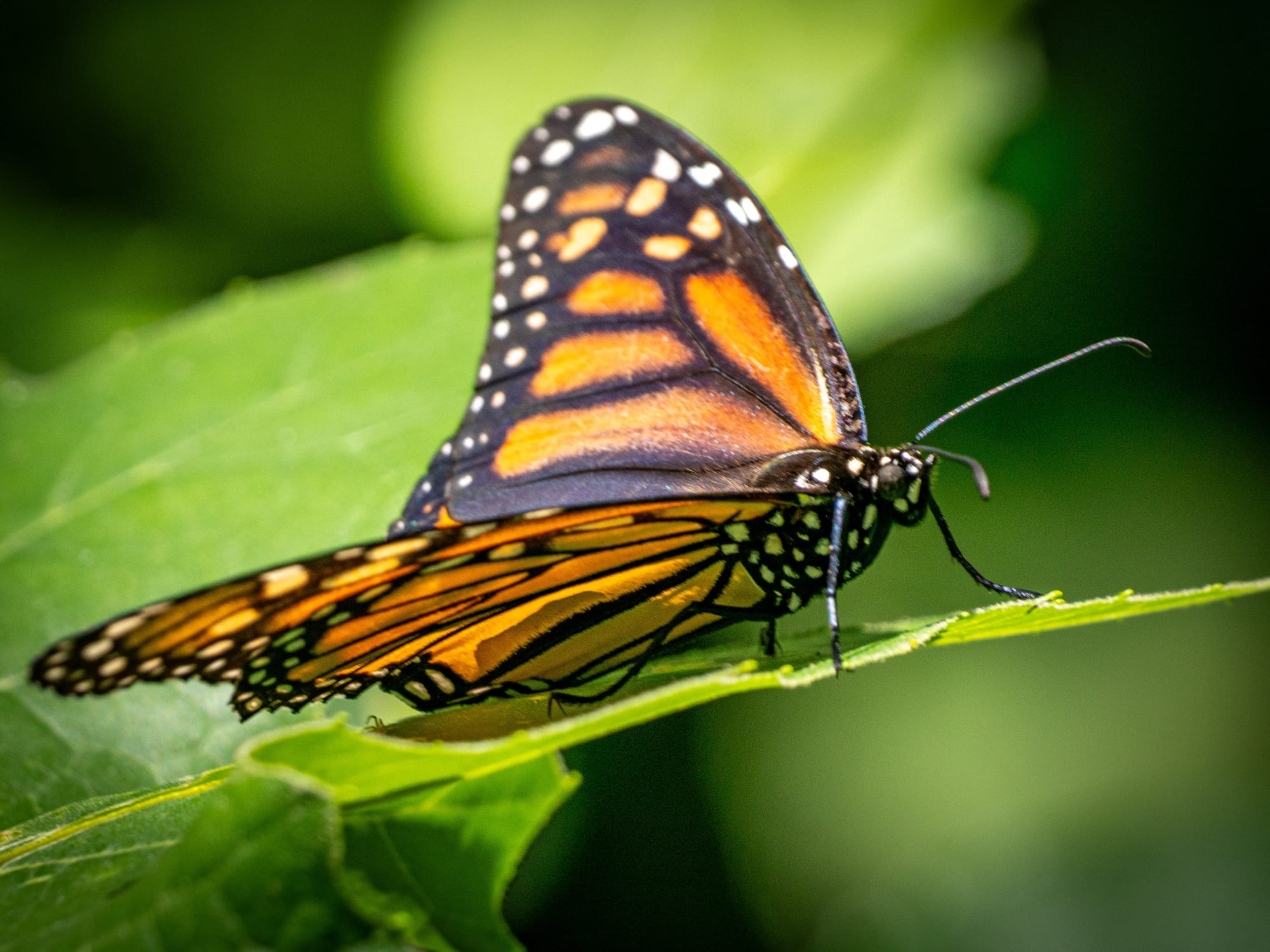
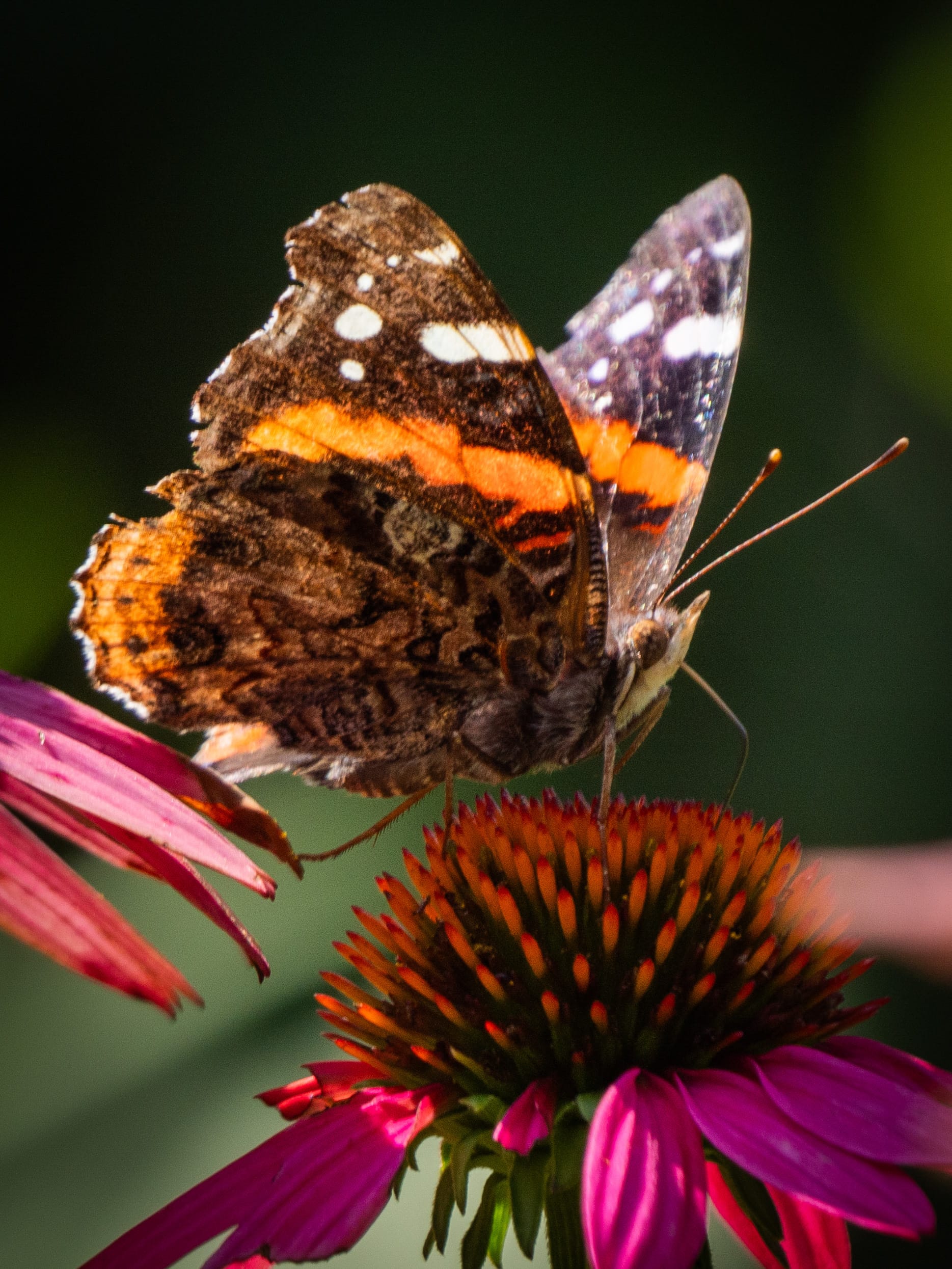
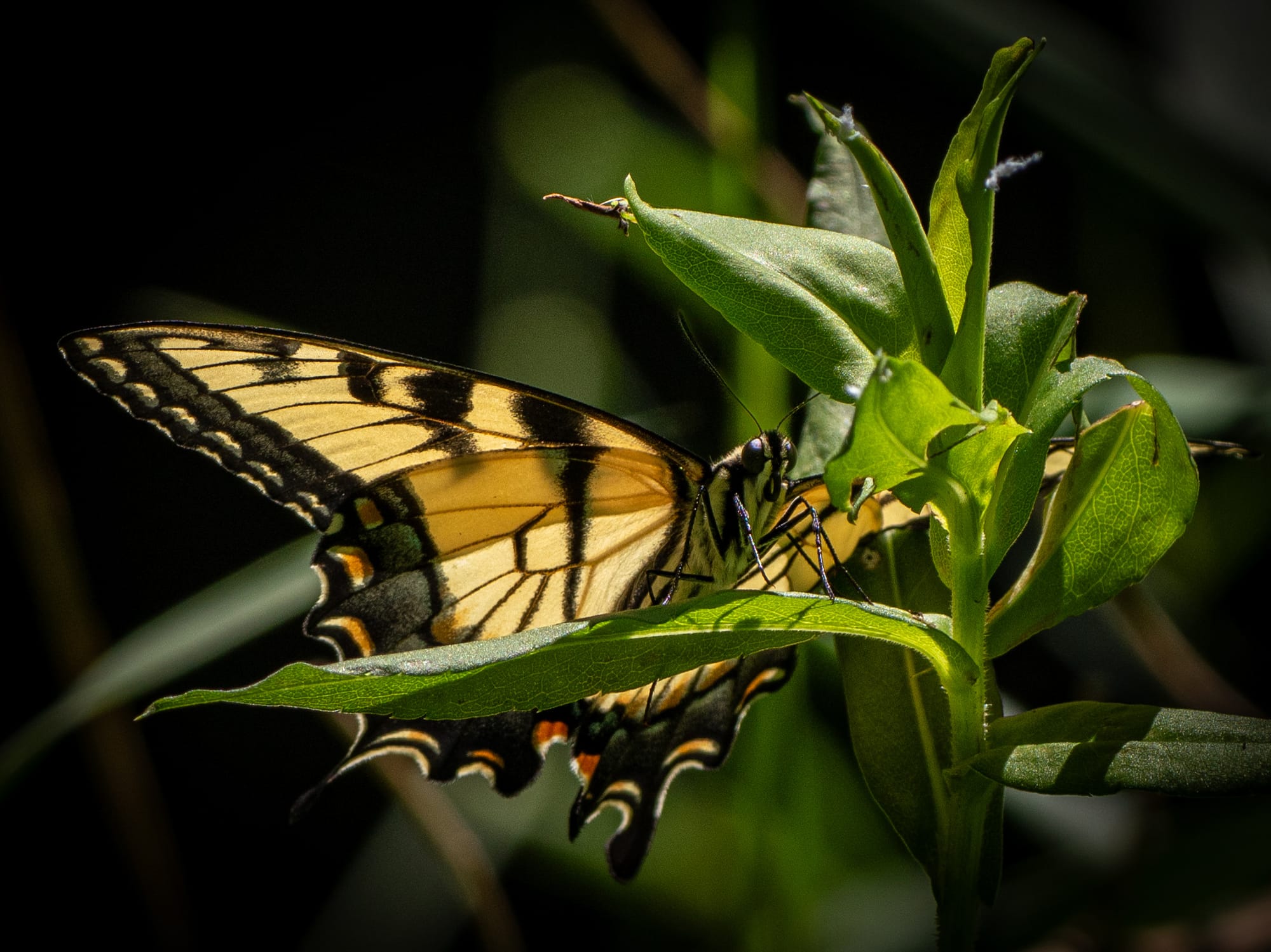
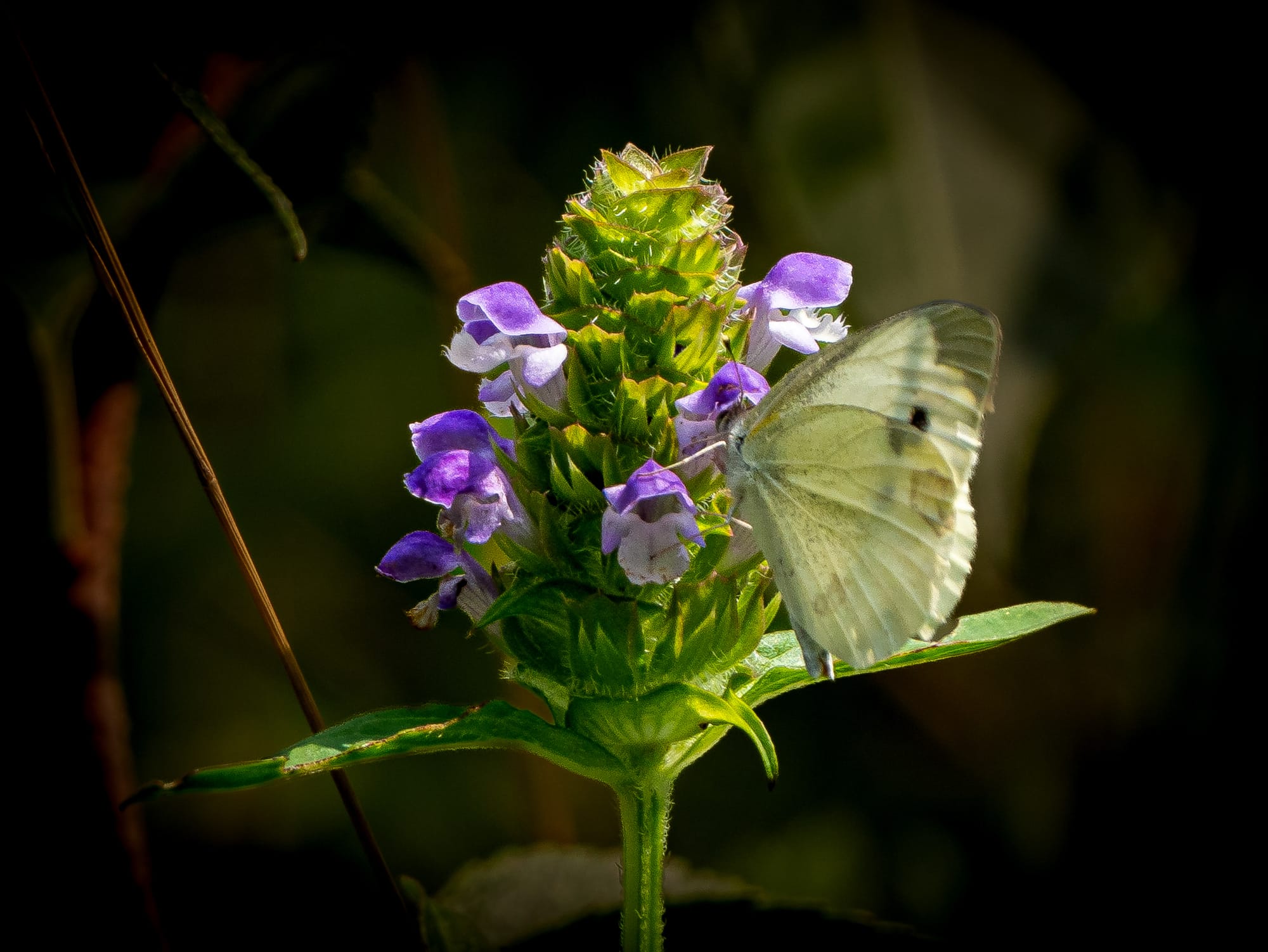
The Monarchs have begun showing up, the second one above is only a few hours since emerging indicated by a much larger thorax. The next are a Red Admiral, Tiger Swallowtail, and Cabbage White.
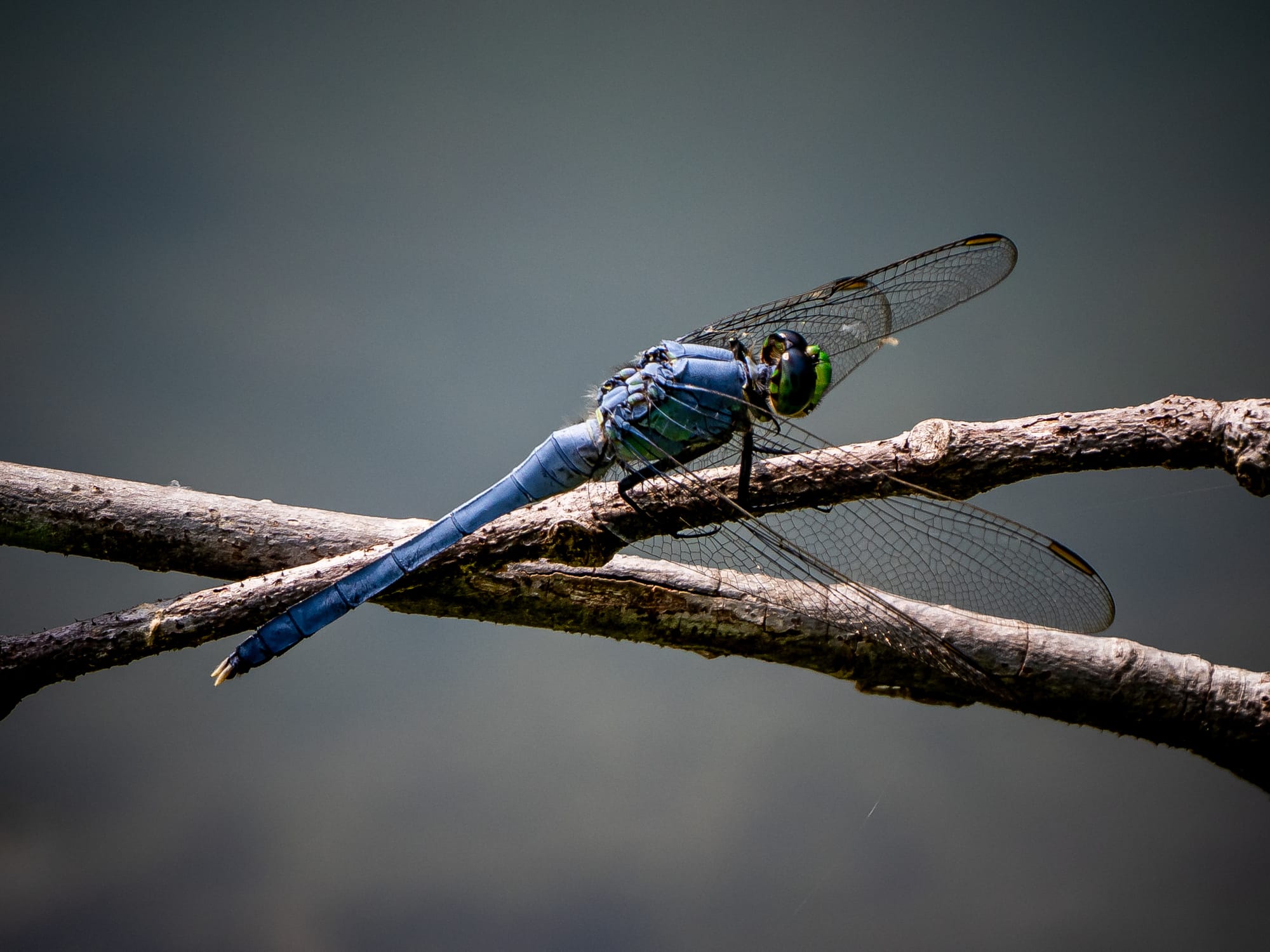
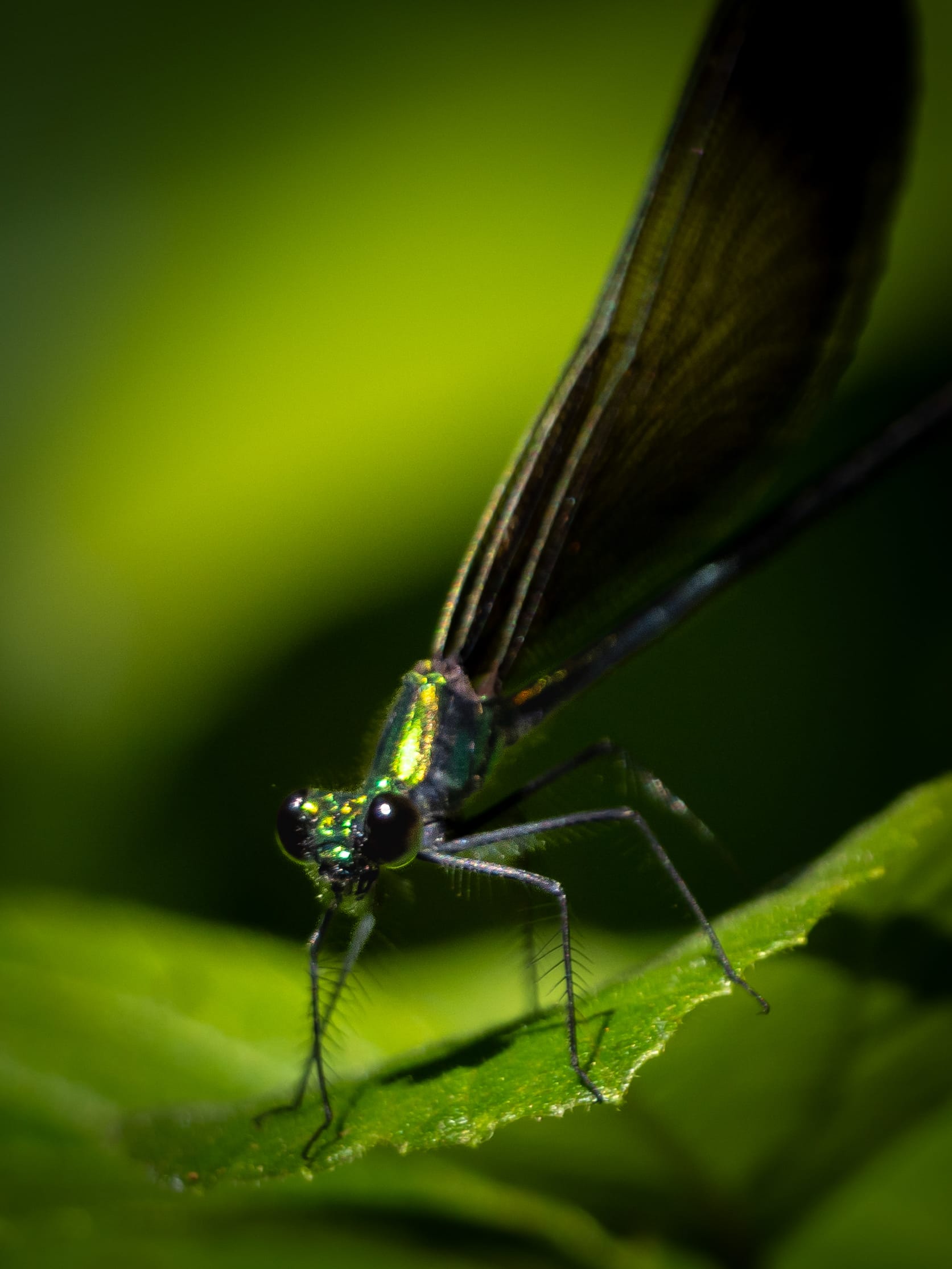
Eastern Pondhawk and Emerald Jewel-wing Dragonflies.
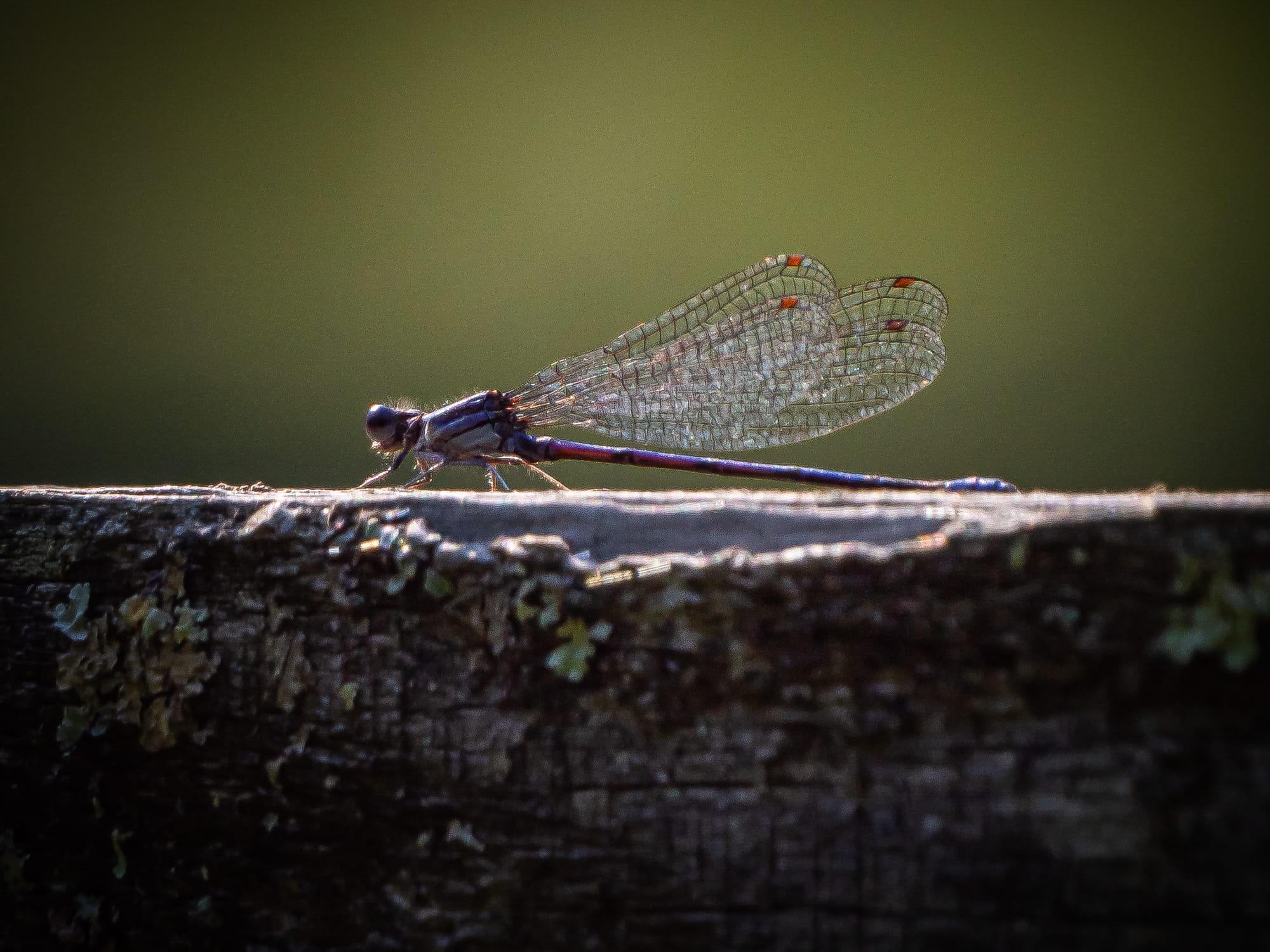
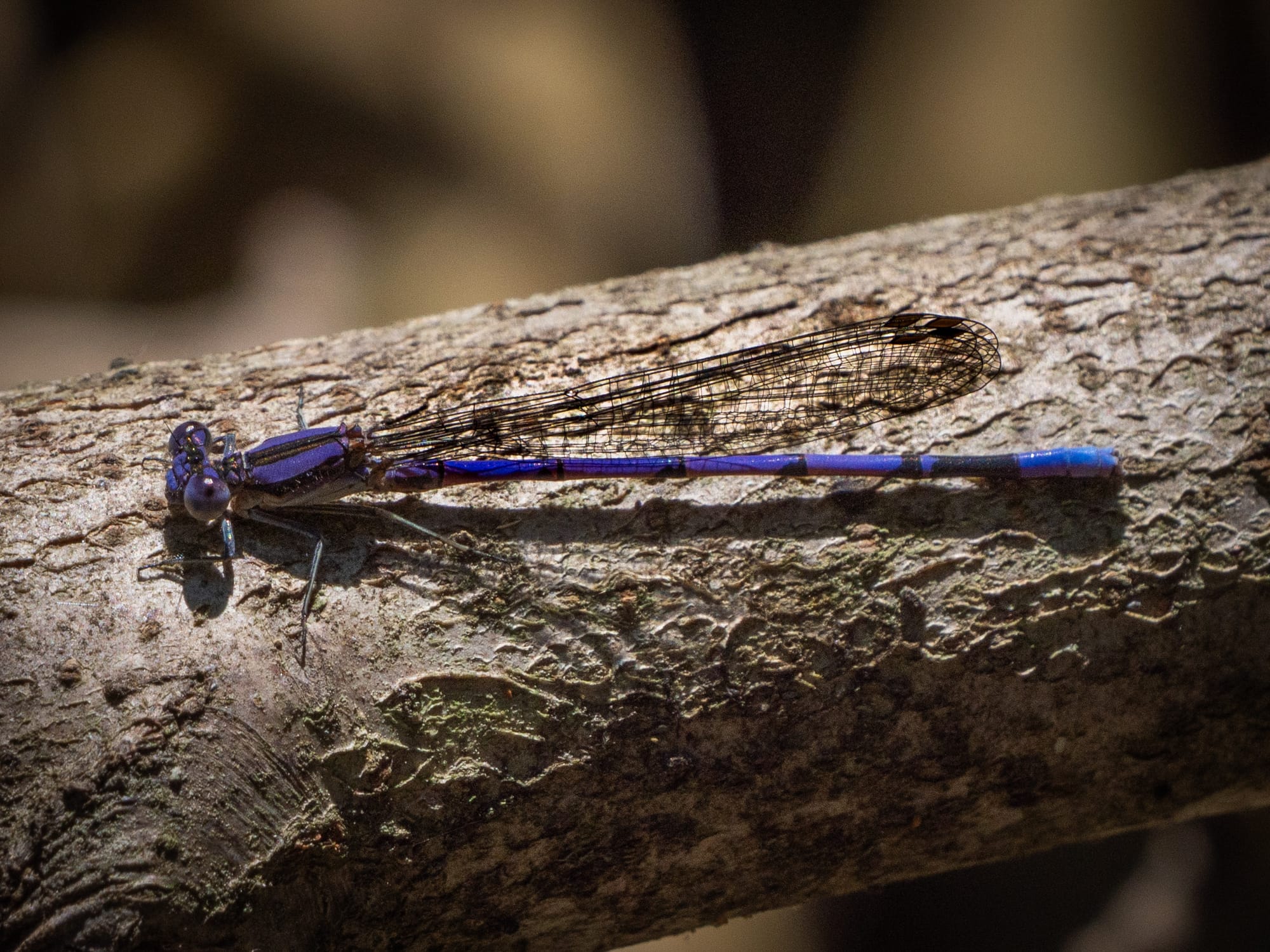
Two Variable Dancer Damselflies.
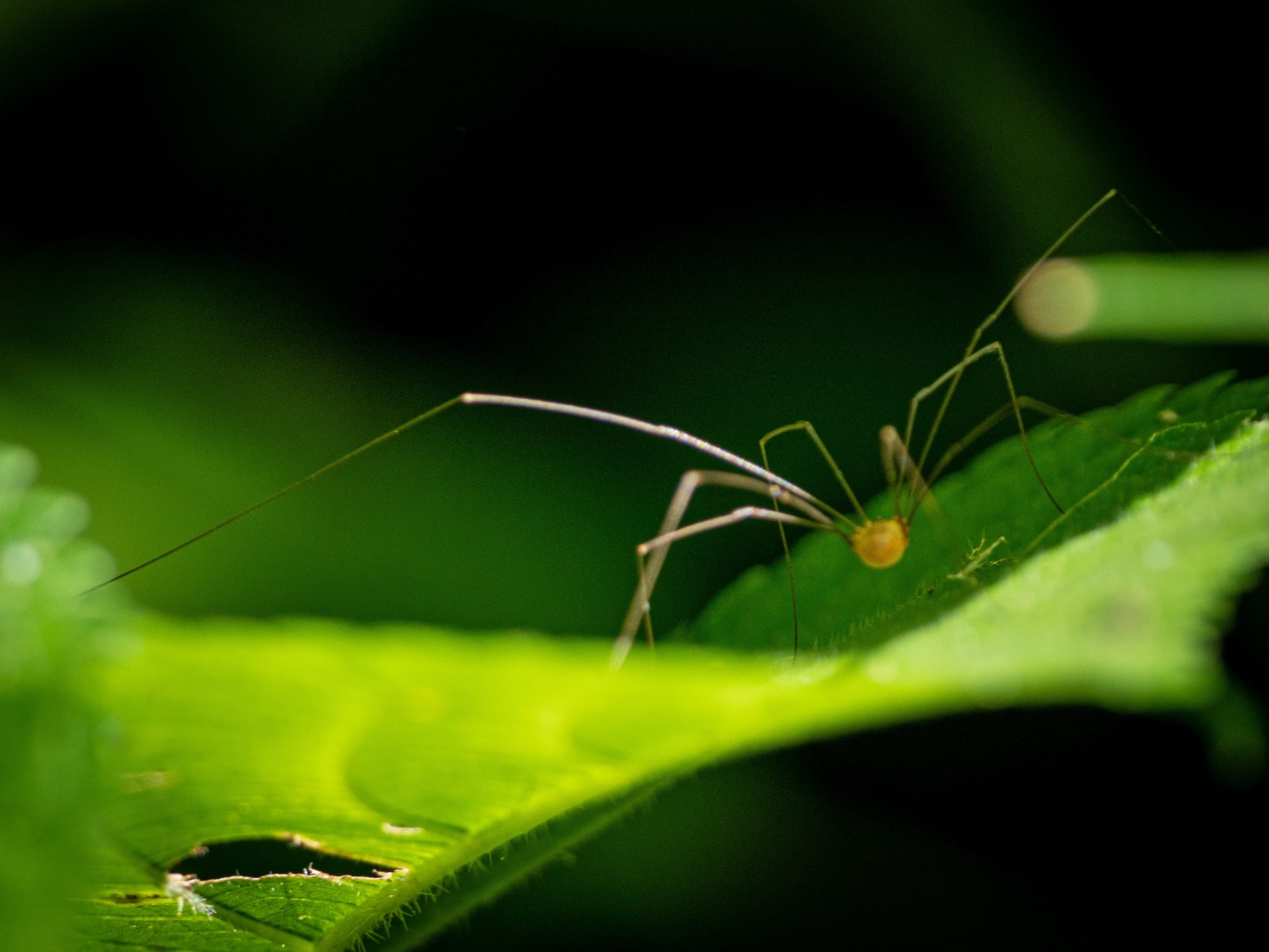
Harvestman waiting in the shadows as it probes for prey.
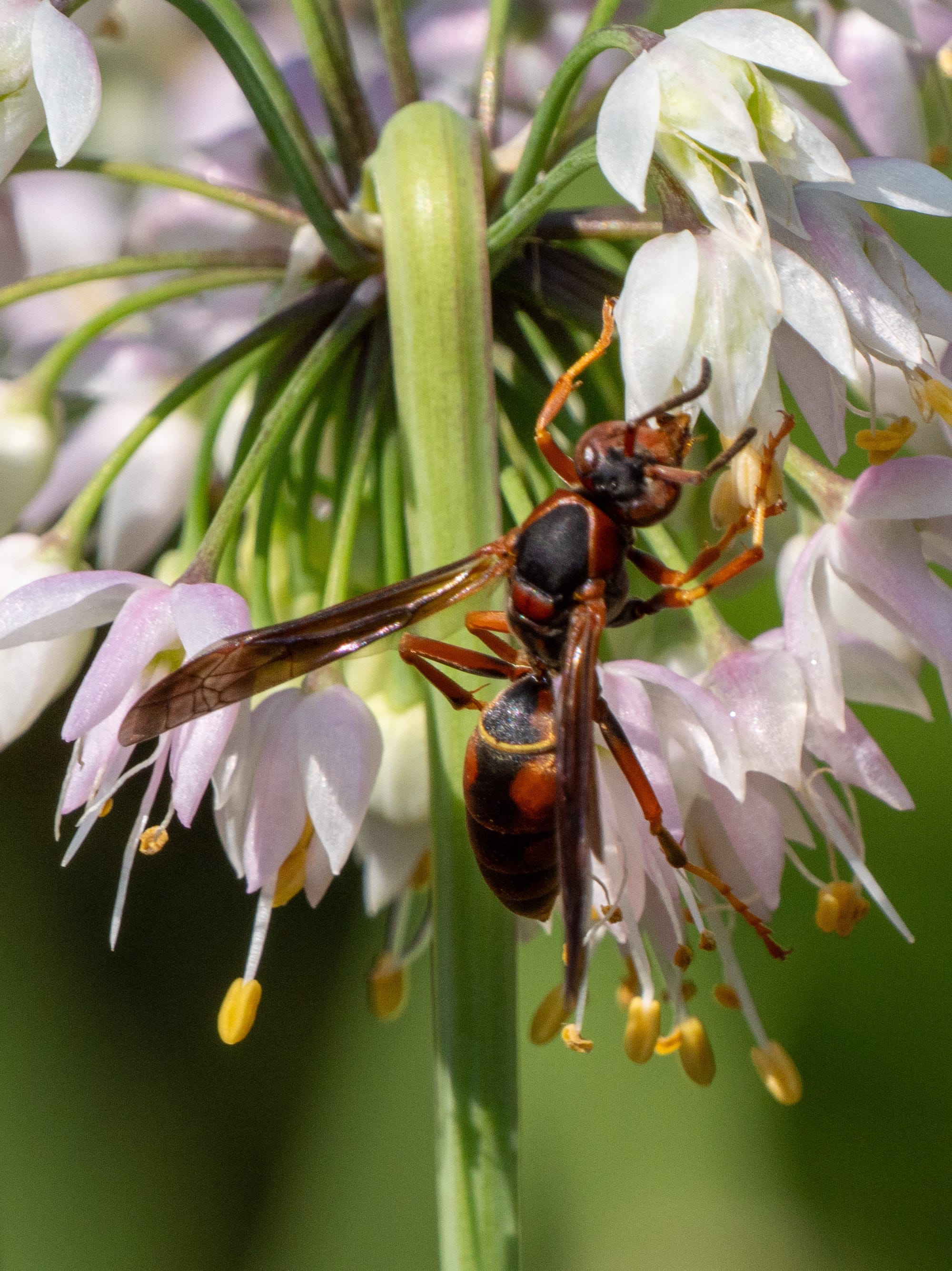
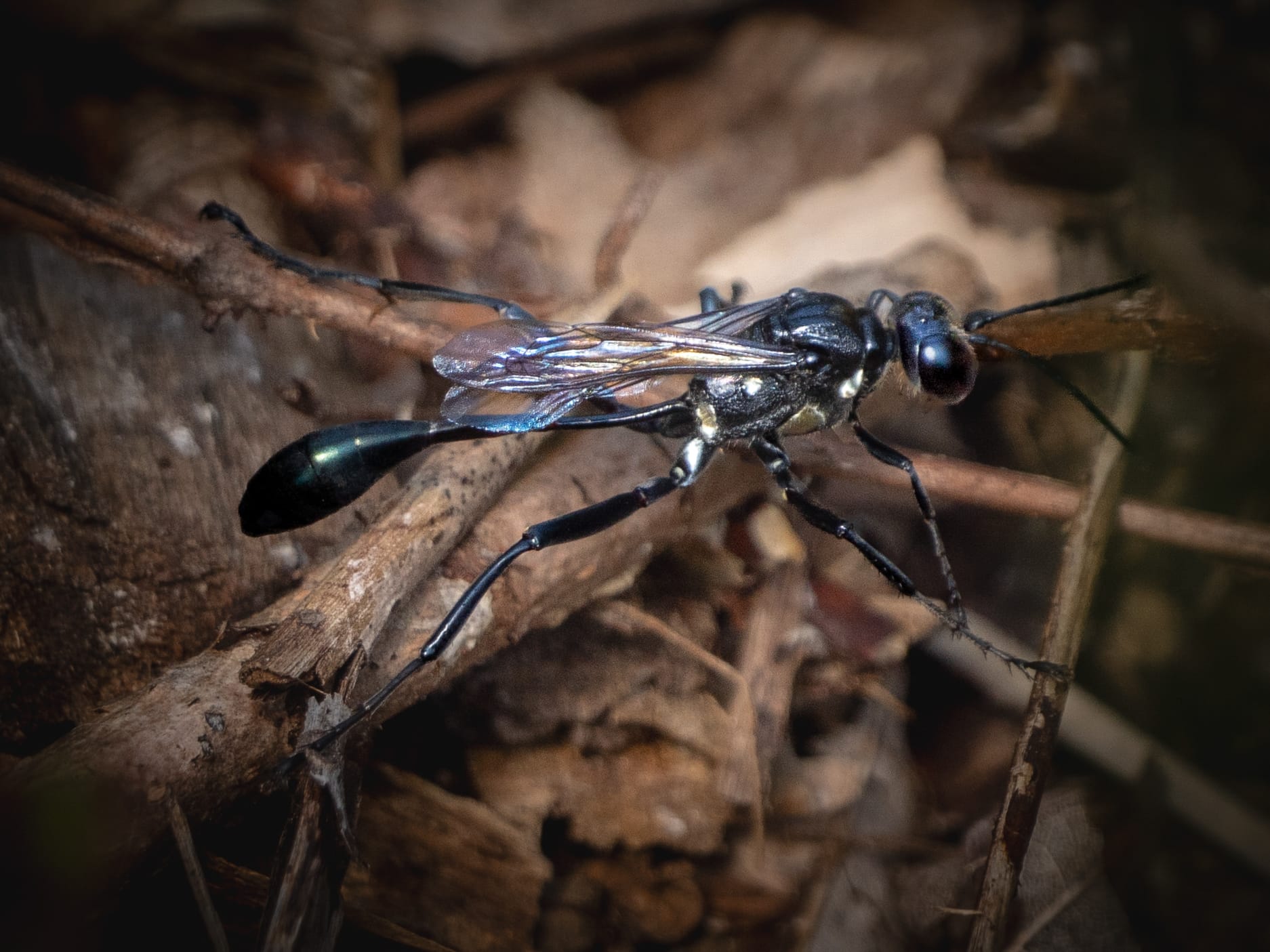
Northern Paper Wasp, Gold-marked Thread-waisted Wasp.
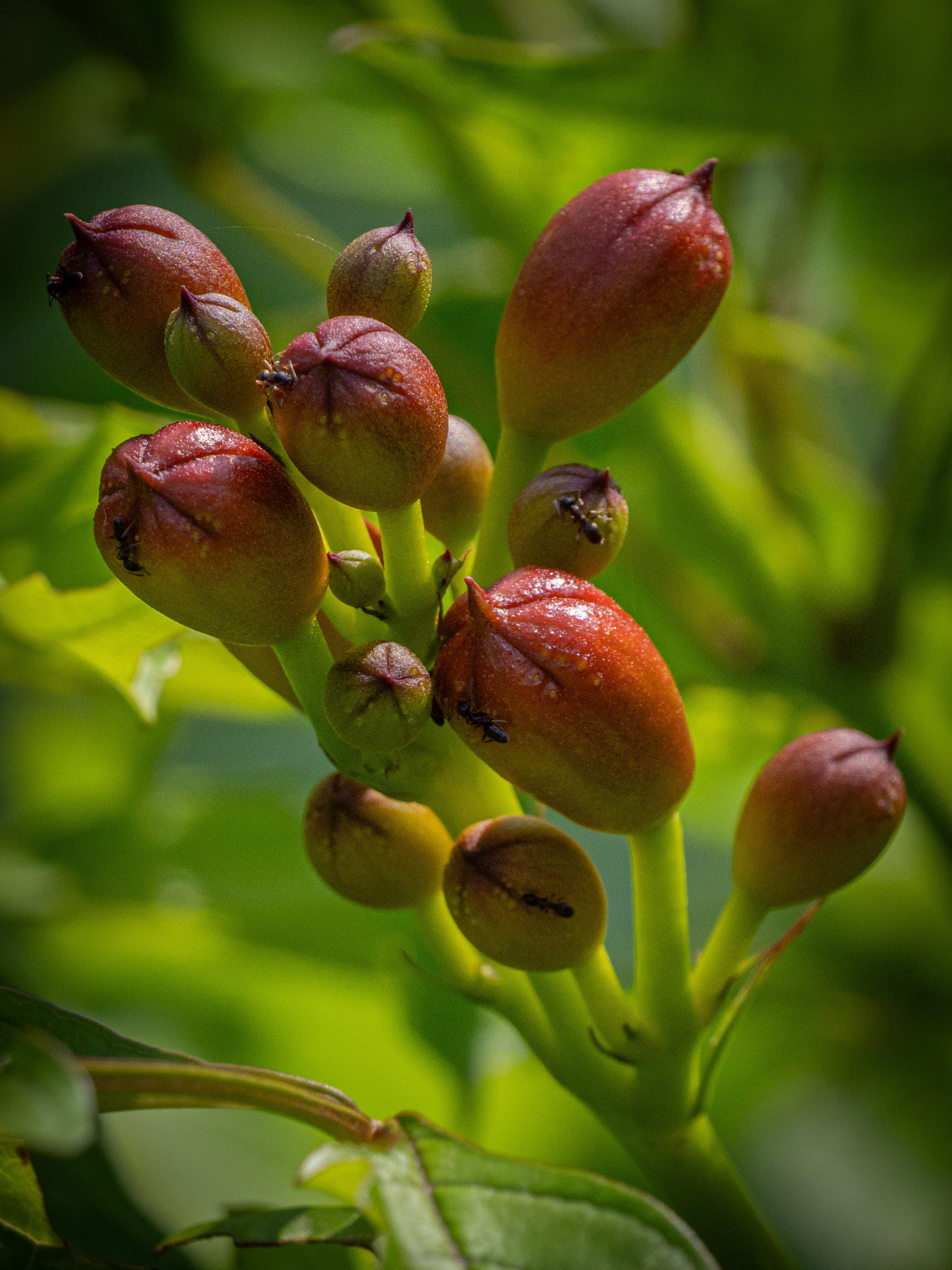
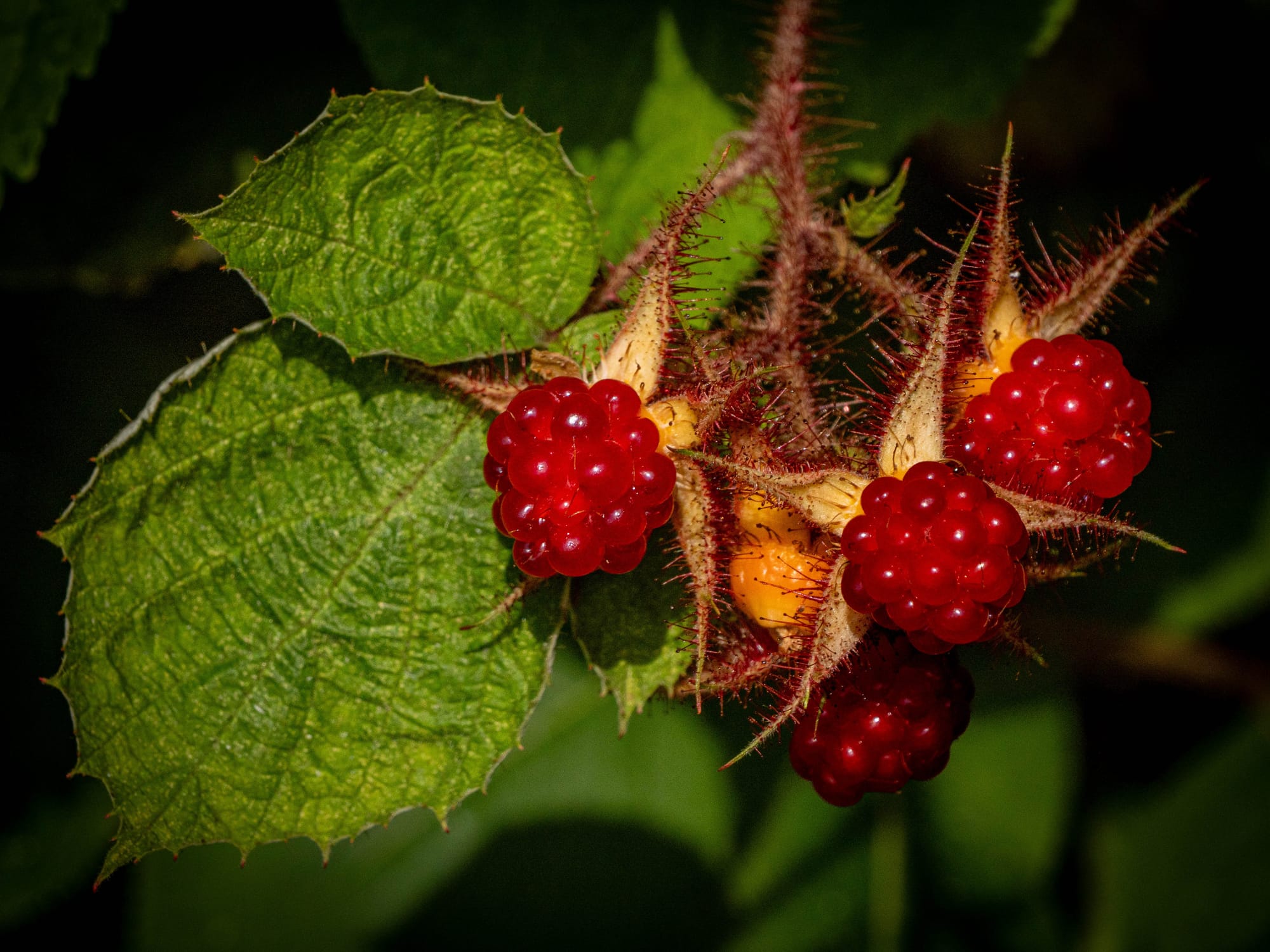
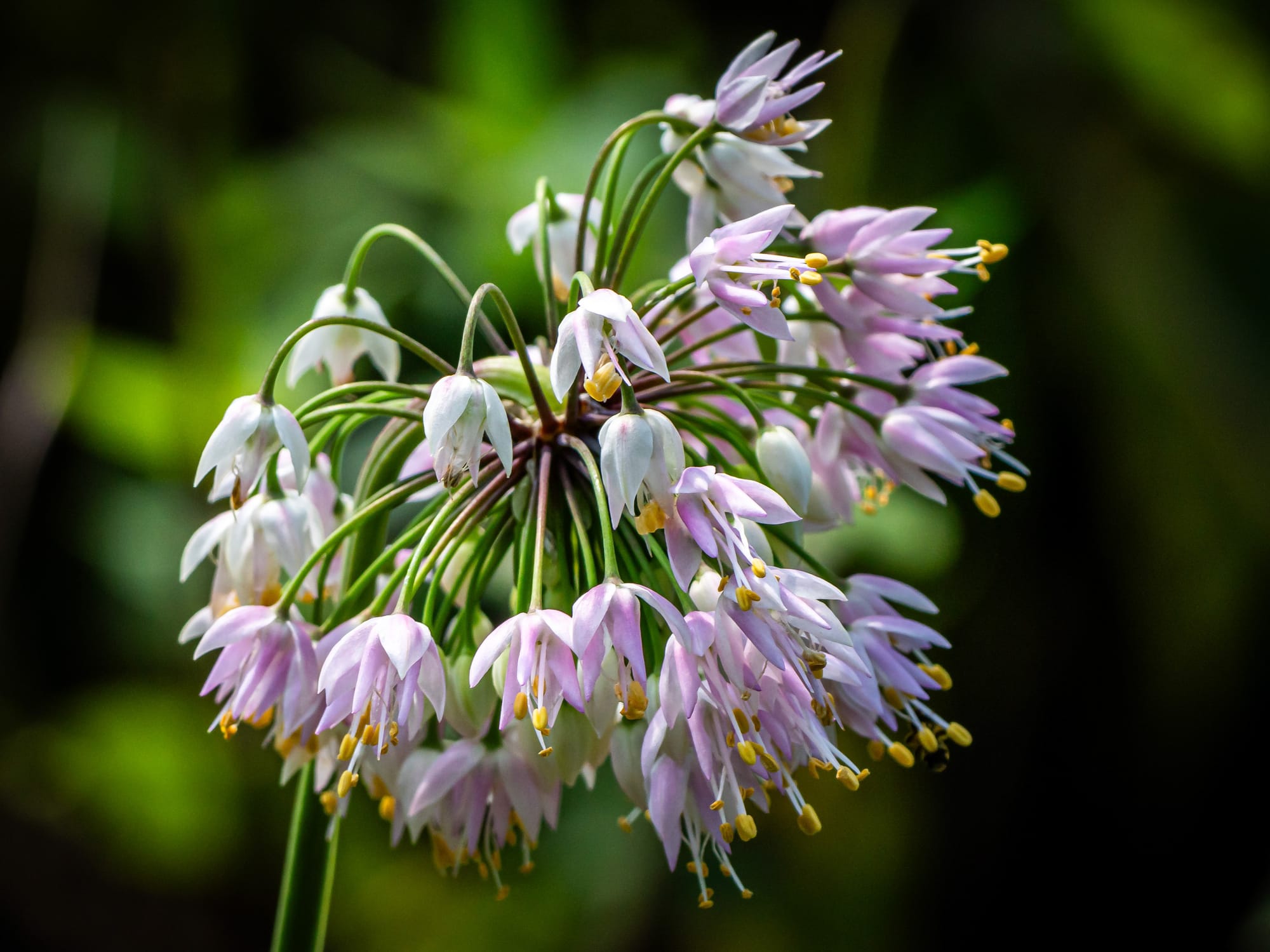
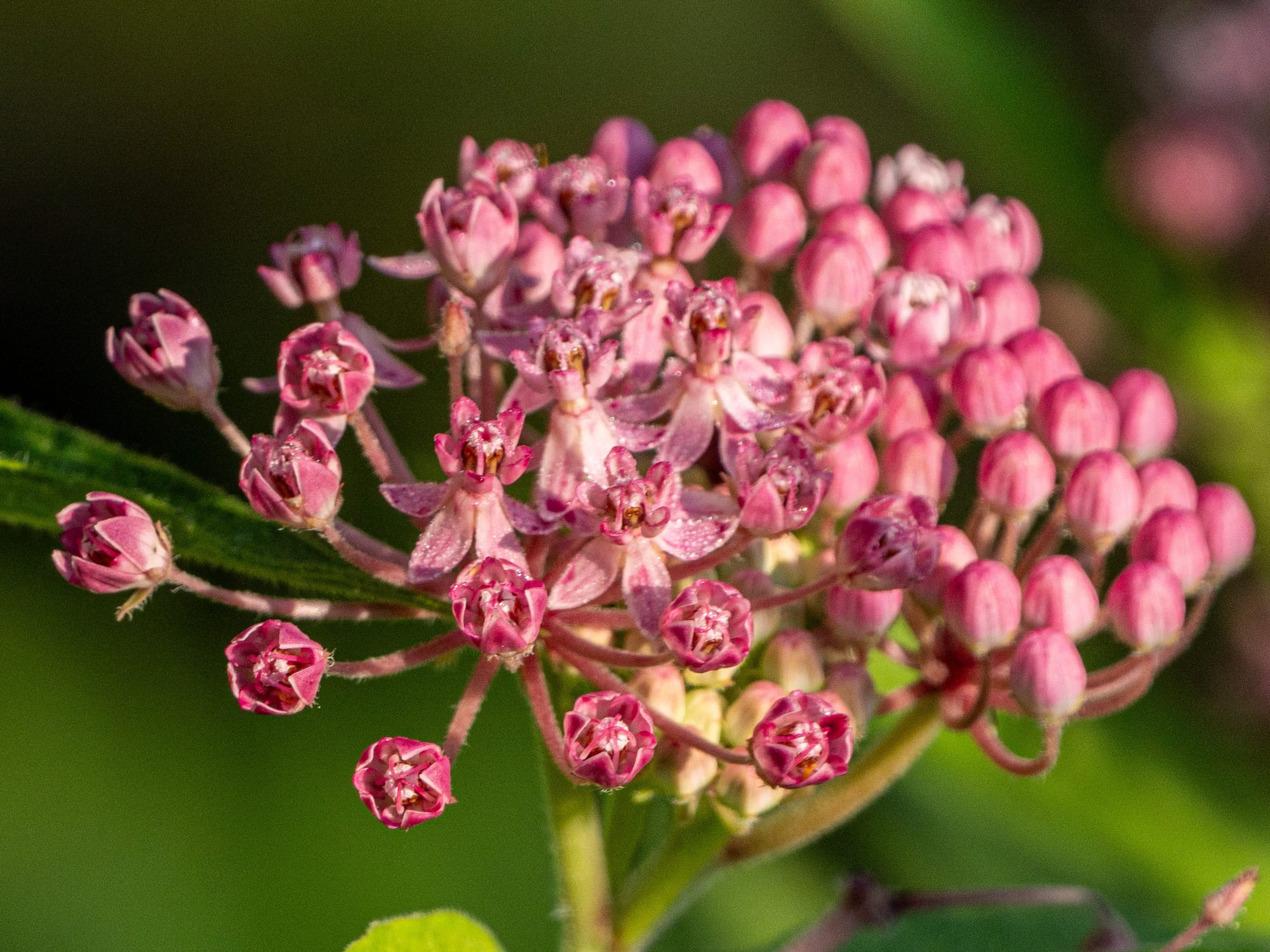
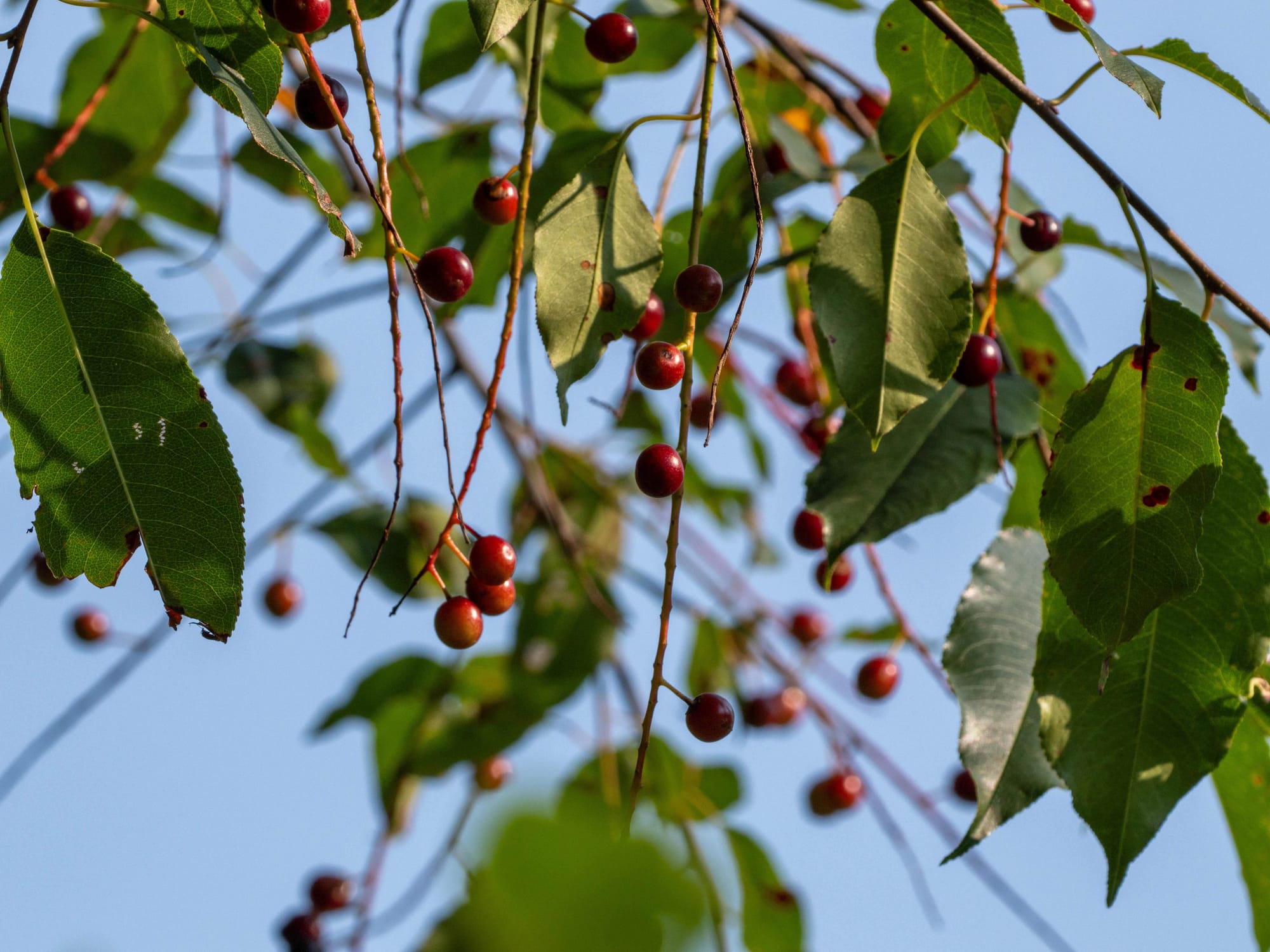
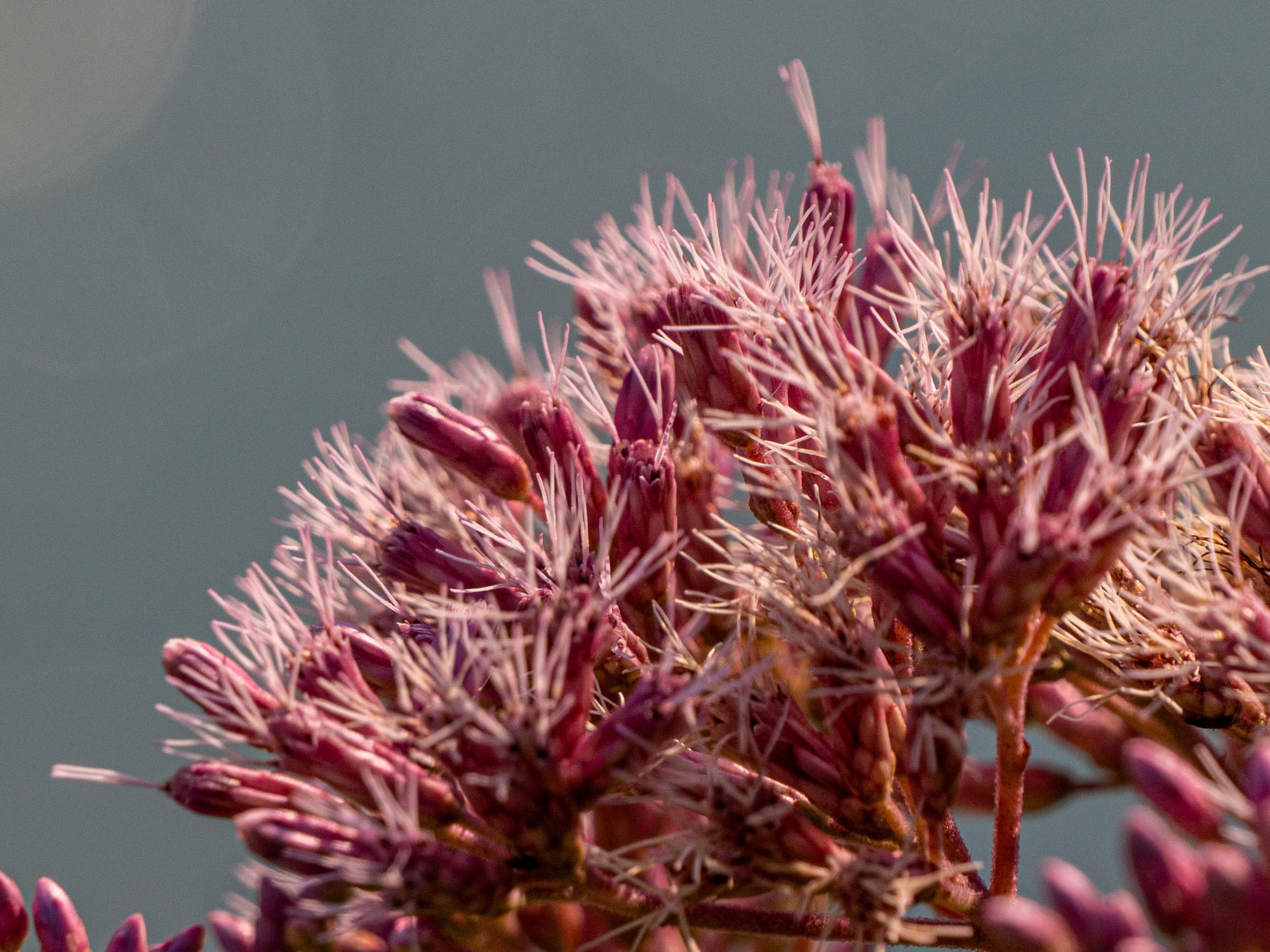
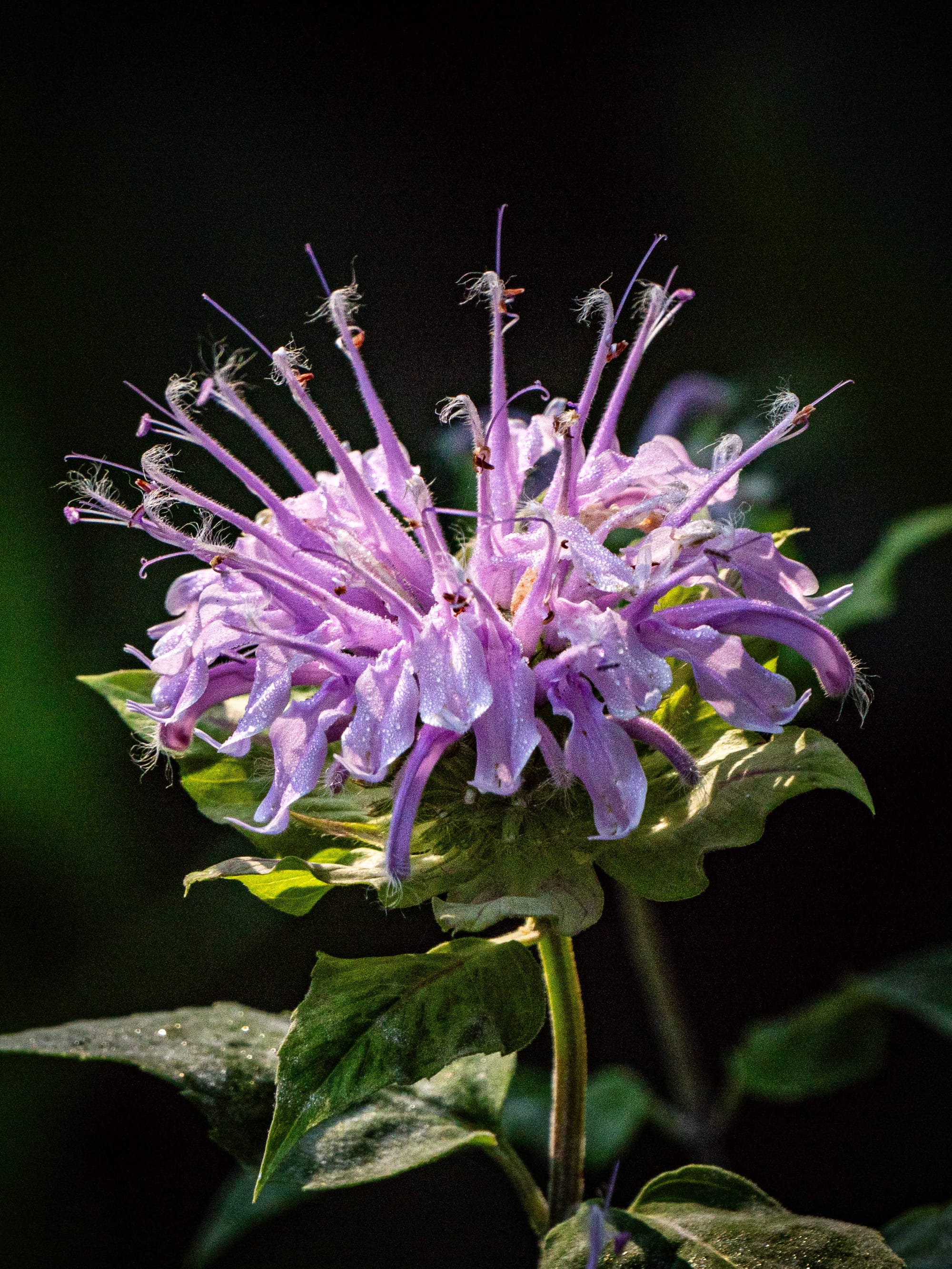
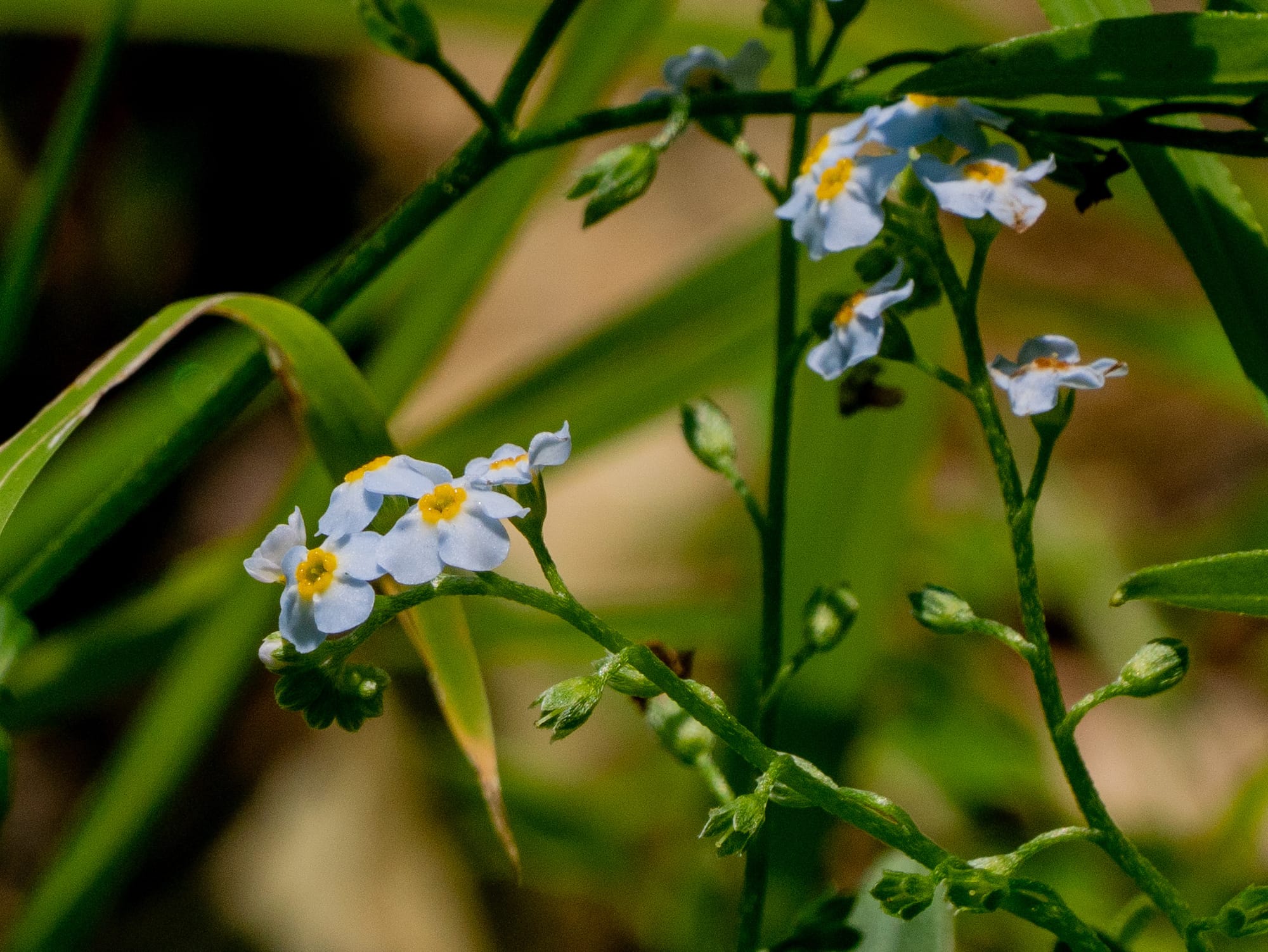
Trumpet Vine flower buds, Wineberries, Nodding Onion, Swamp Milkweed, Black Cherry, Joe Pye Weed, Wild Bergamot, Water Forget-me-nots