This Week at Nixon Park - November 3 - November 10
A warmer-than-usual week with more seasonal temperatures coming soon.
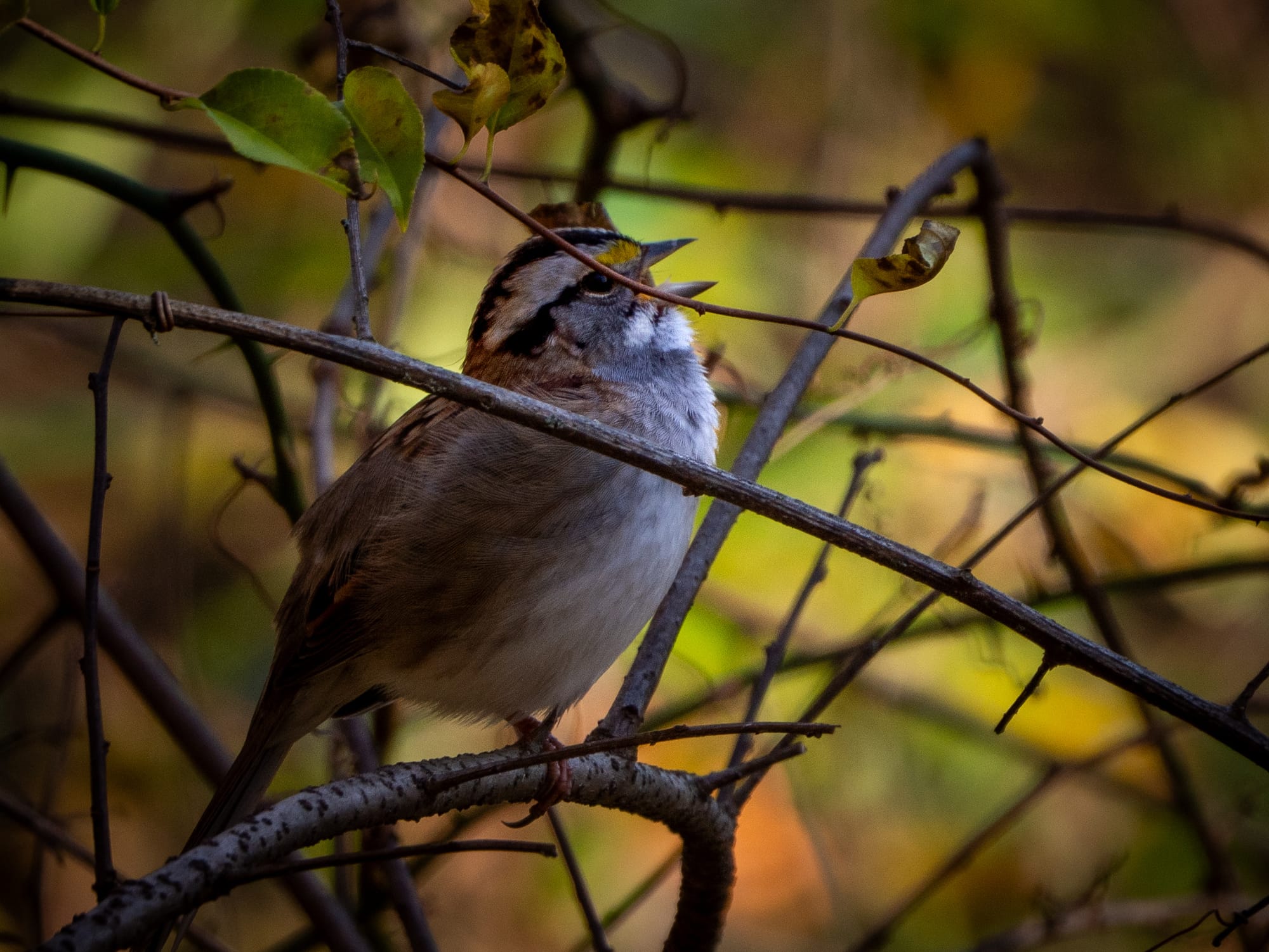
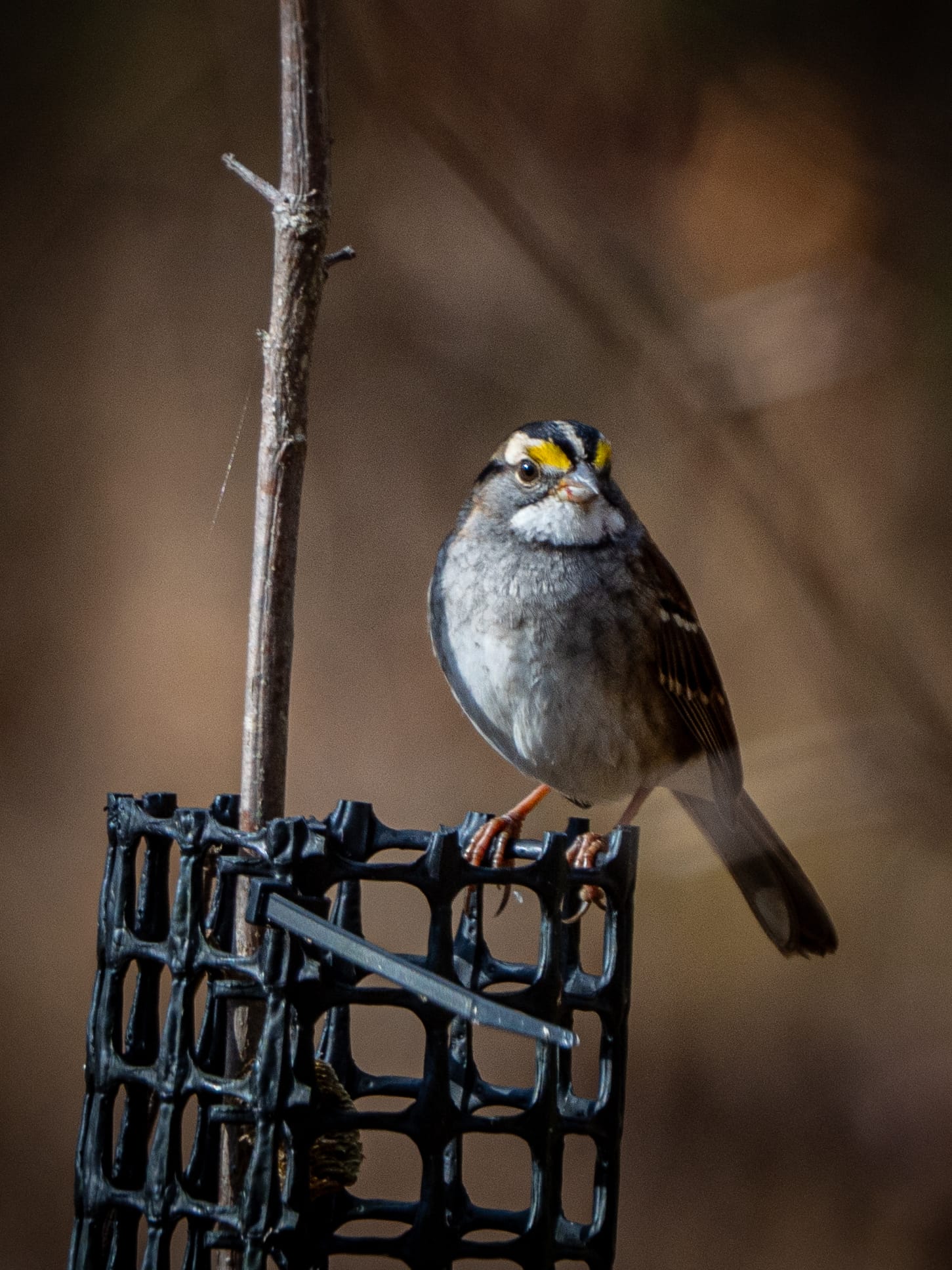
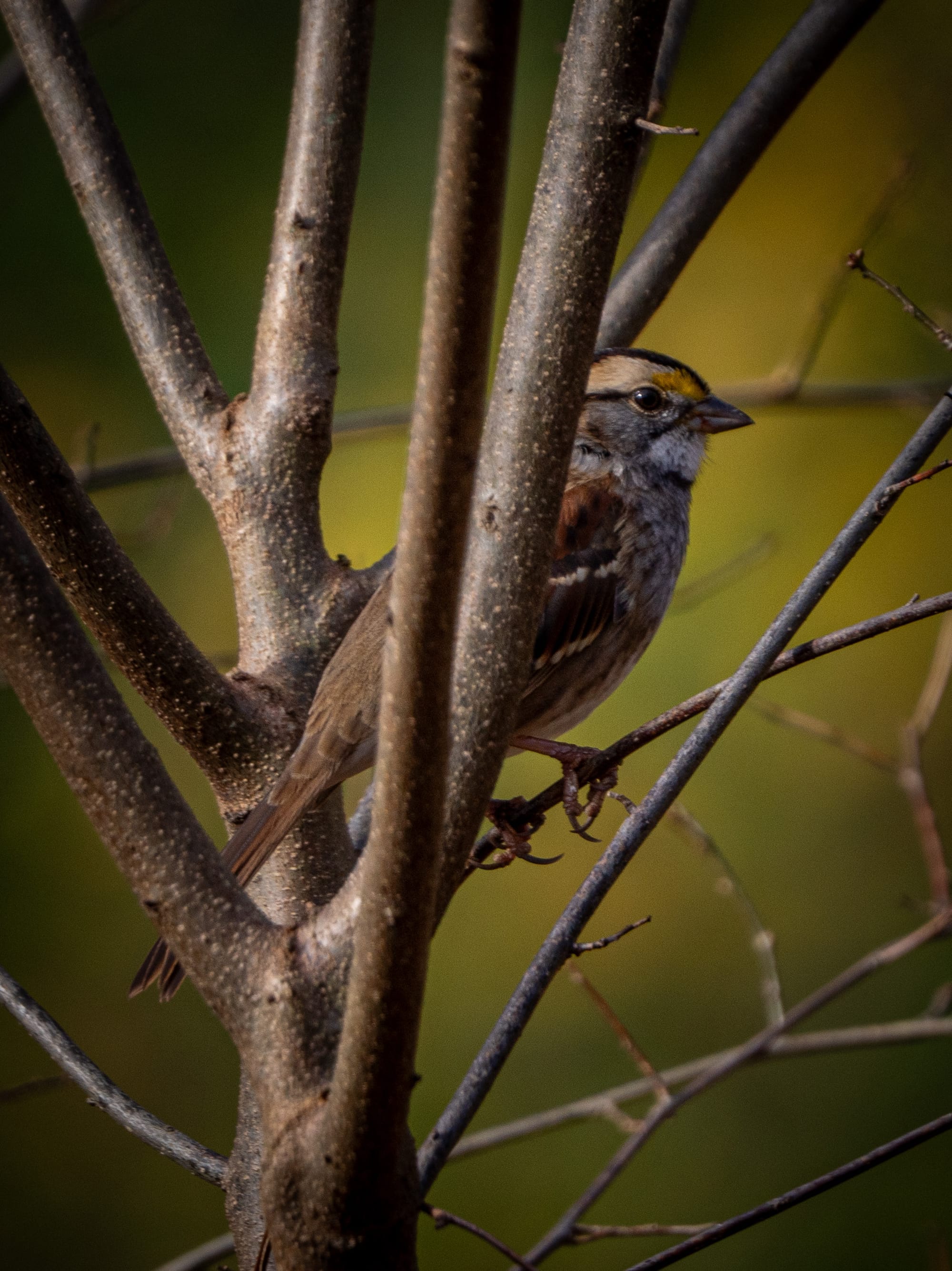
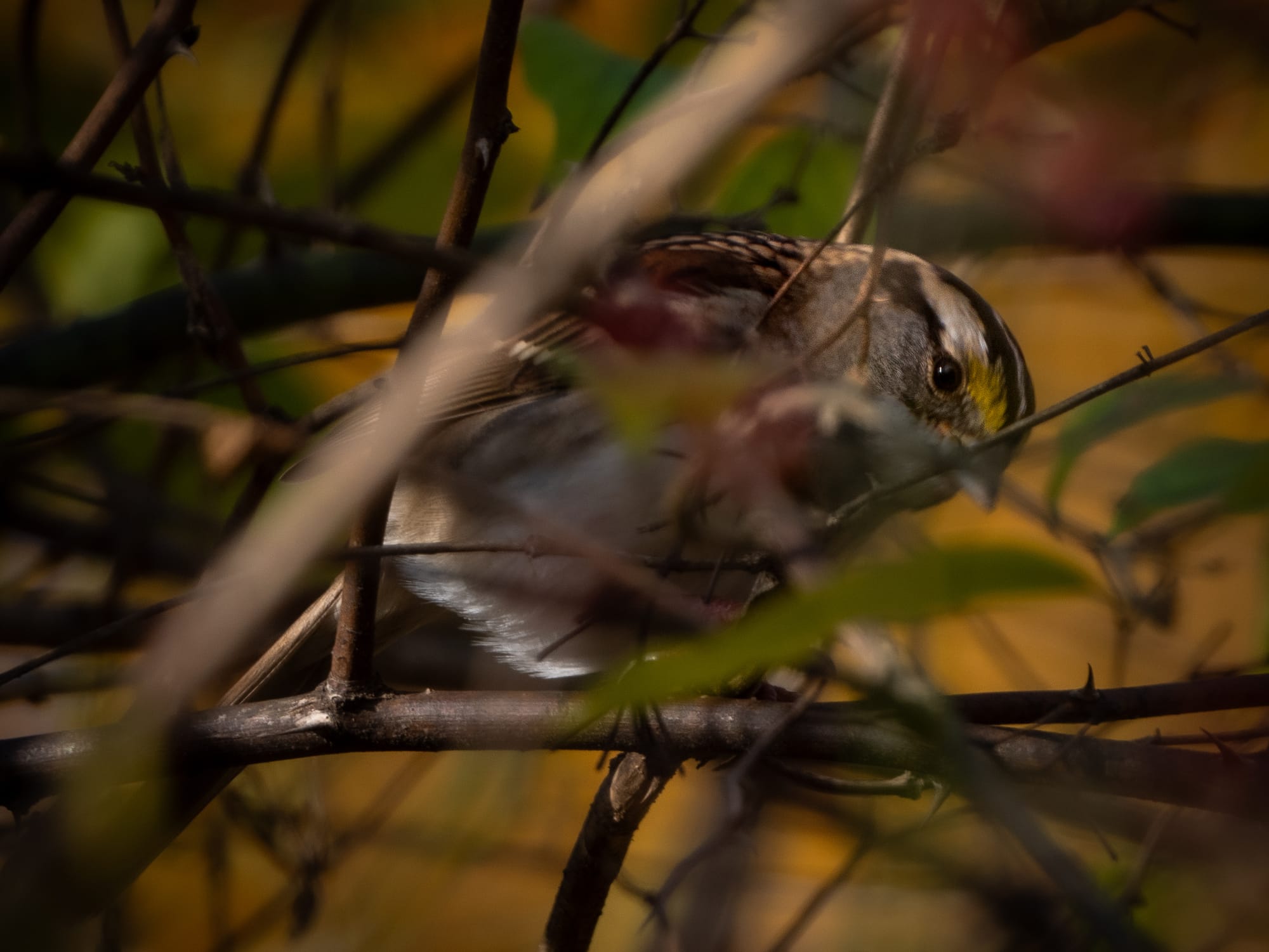
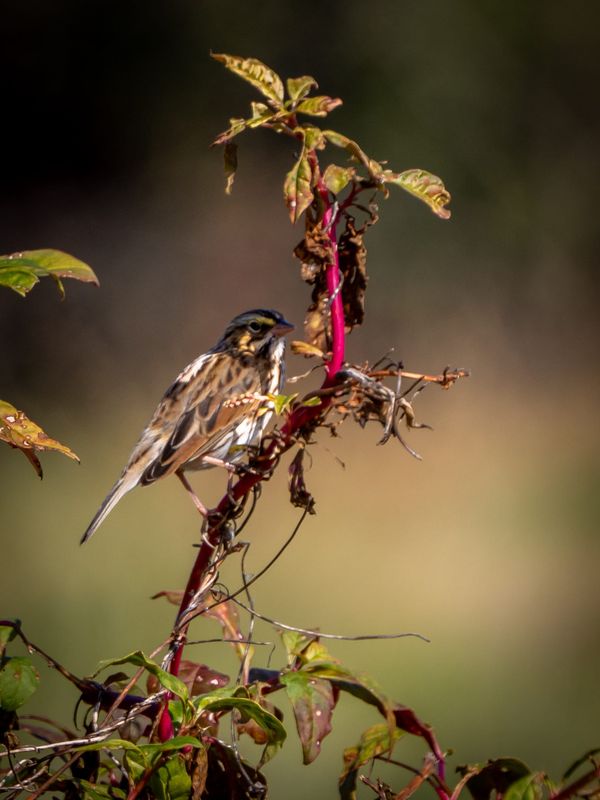
A chorus of White-Throated Sparrows Working their way through the thickets in early morning.
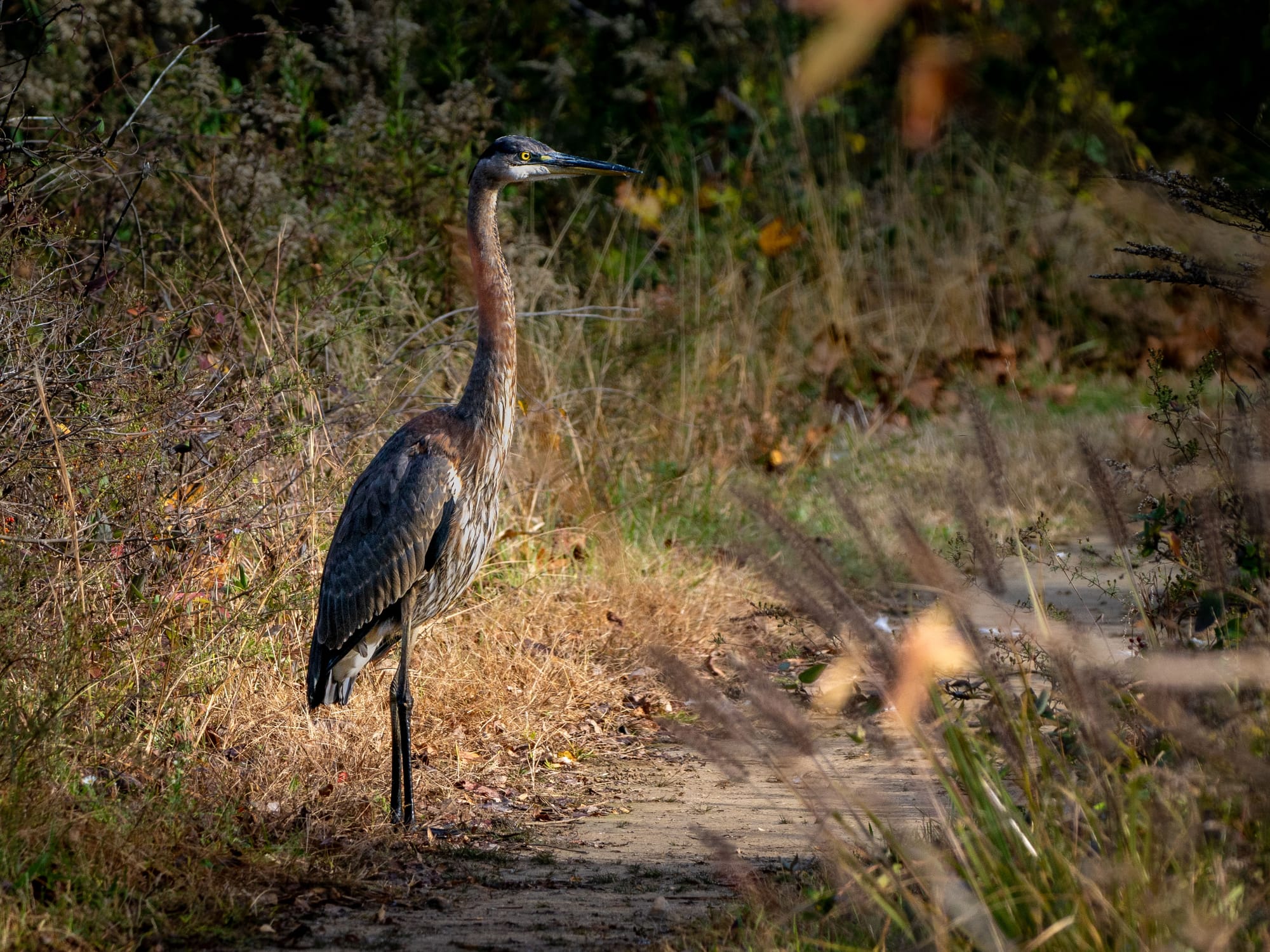
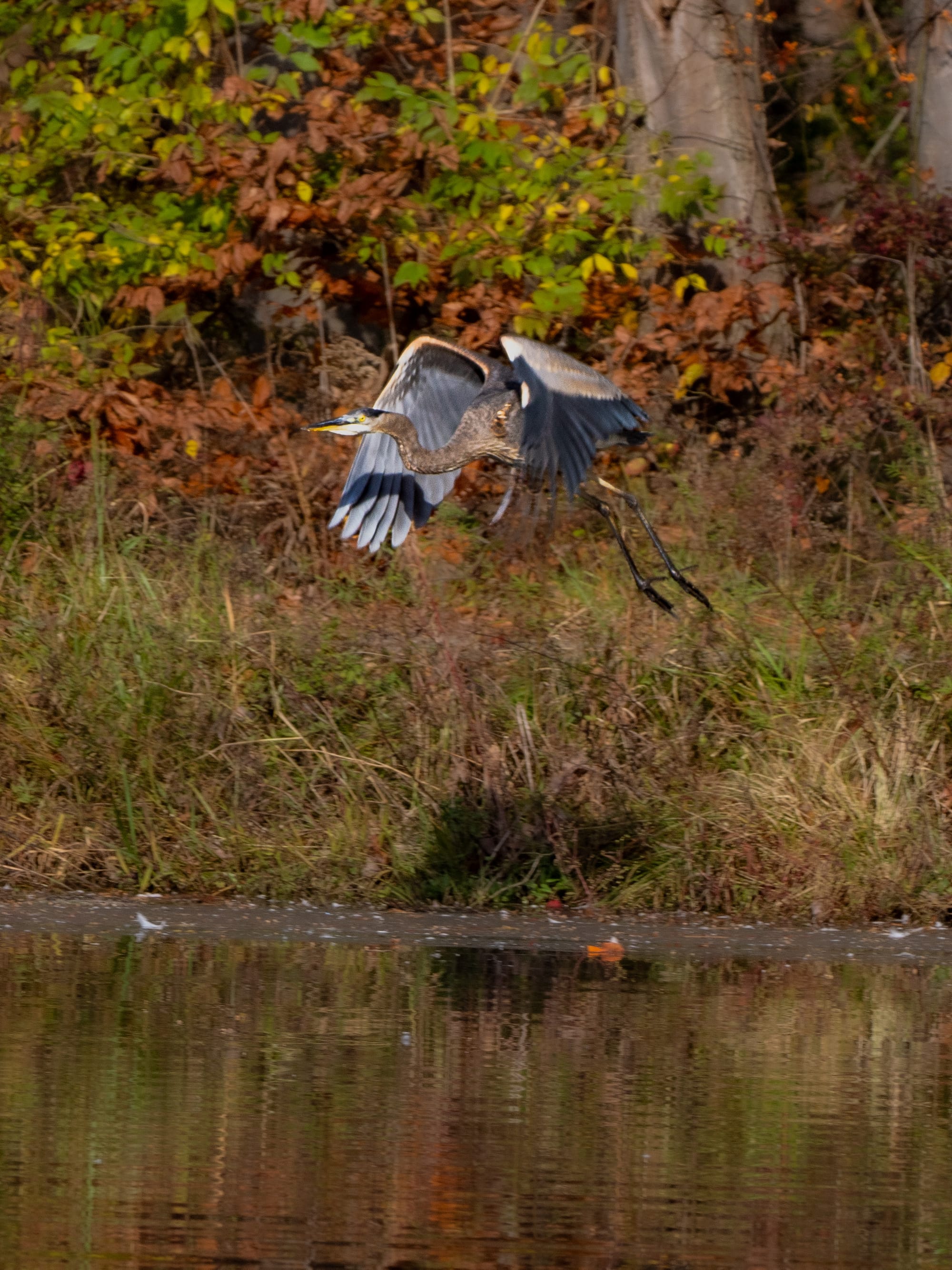
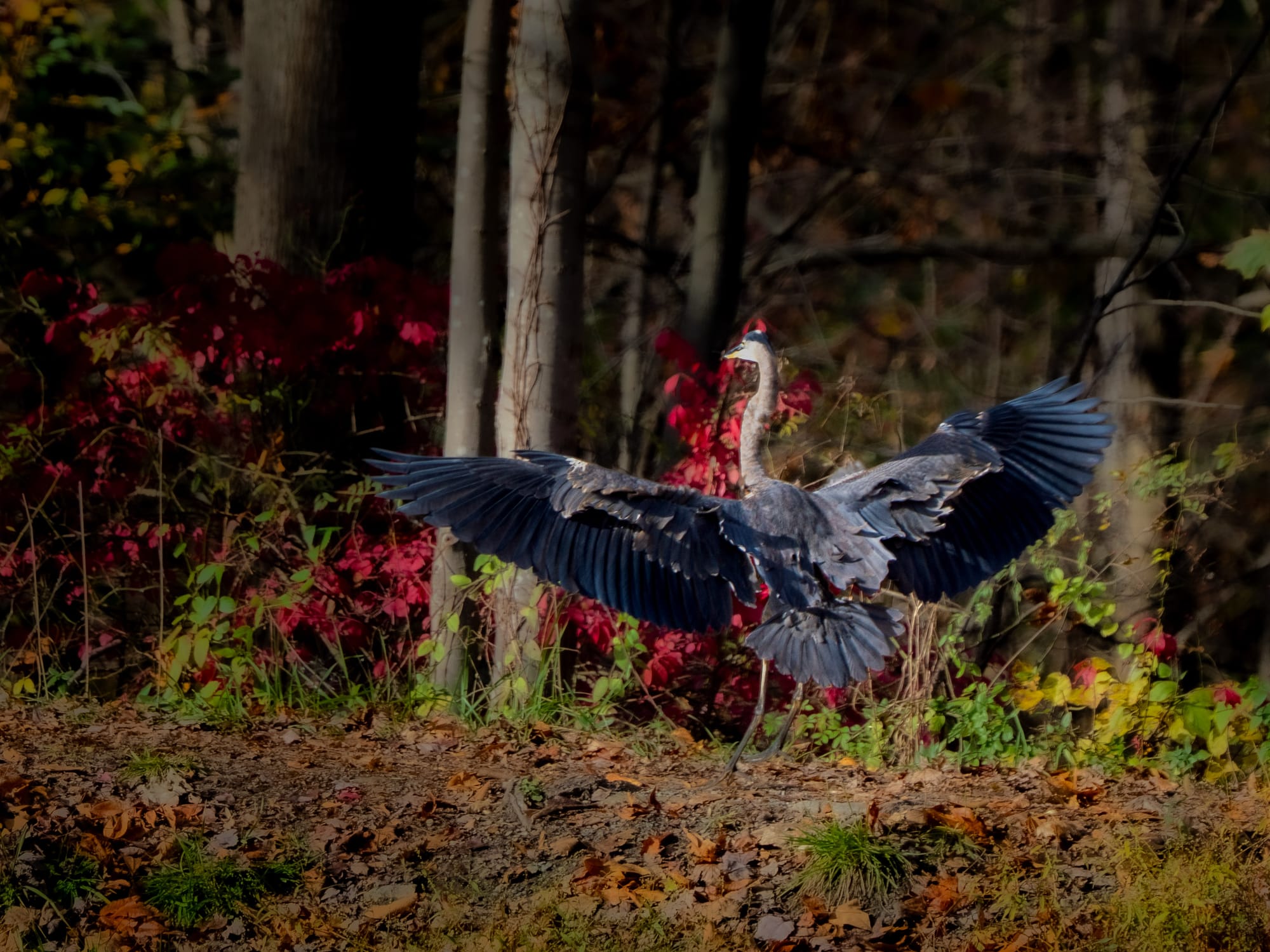
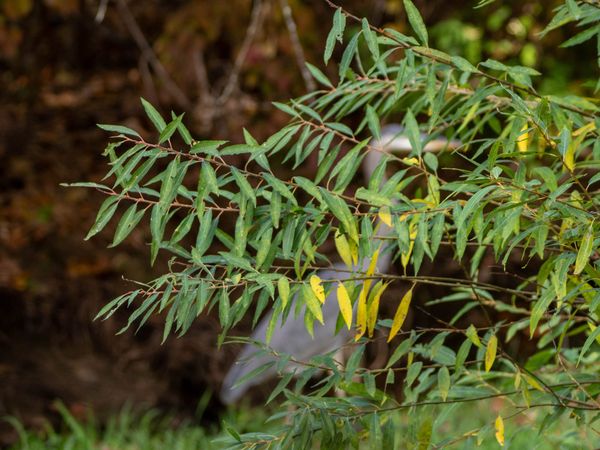
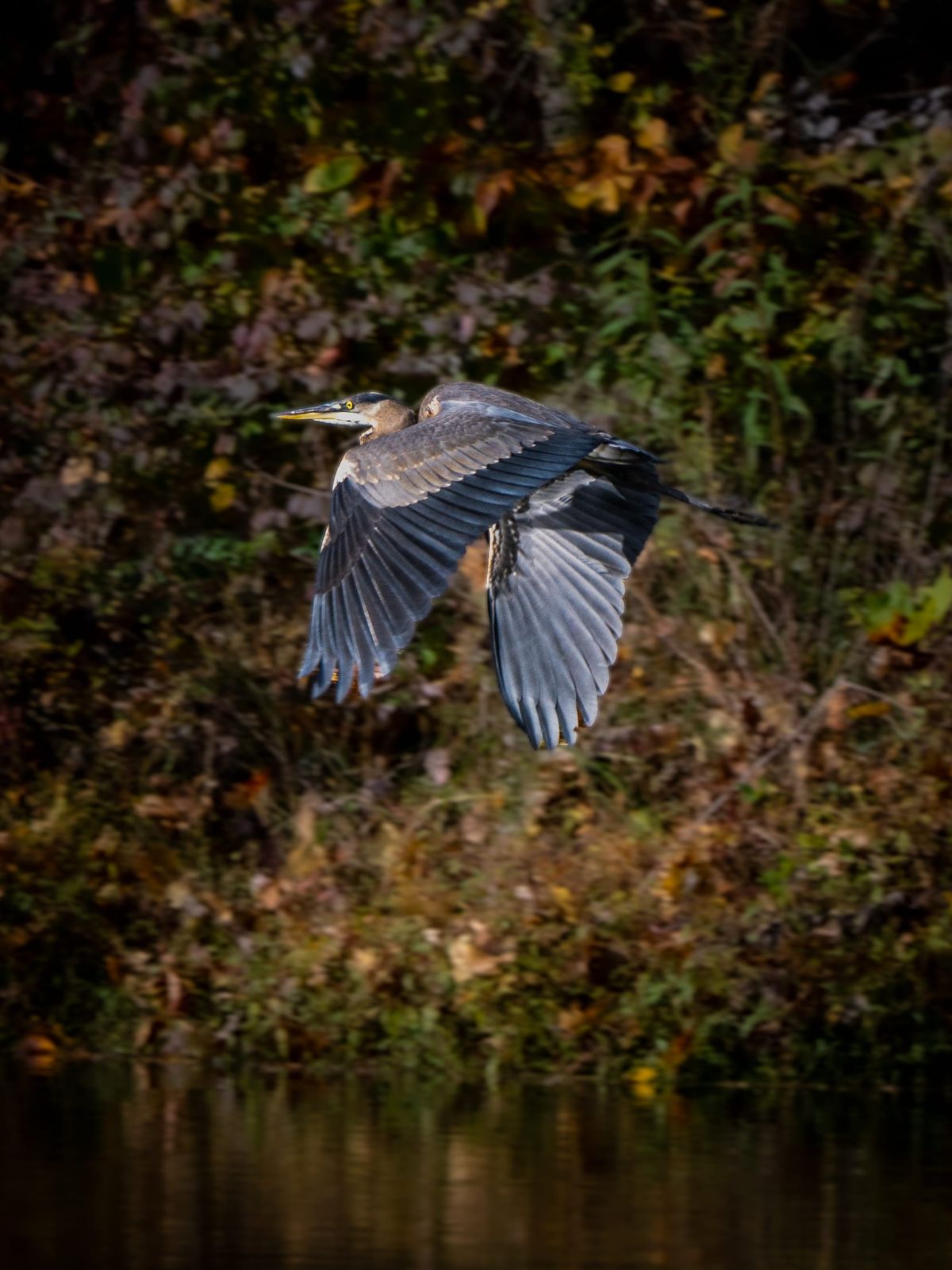
A Great Blue Heron making their way around the big pond.
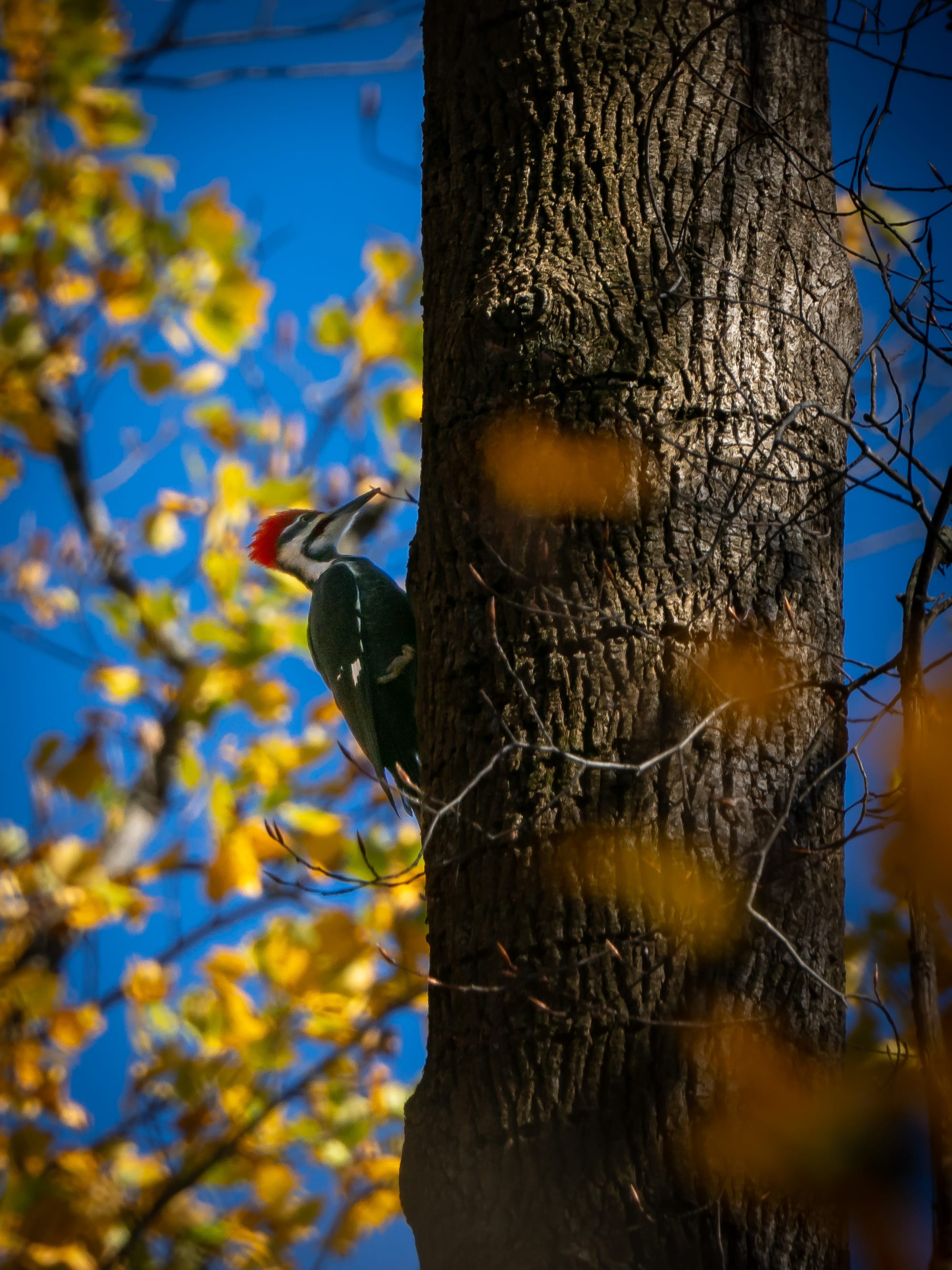
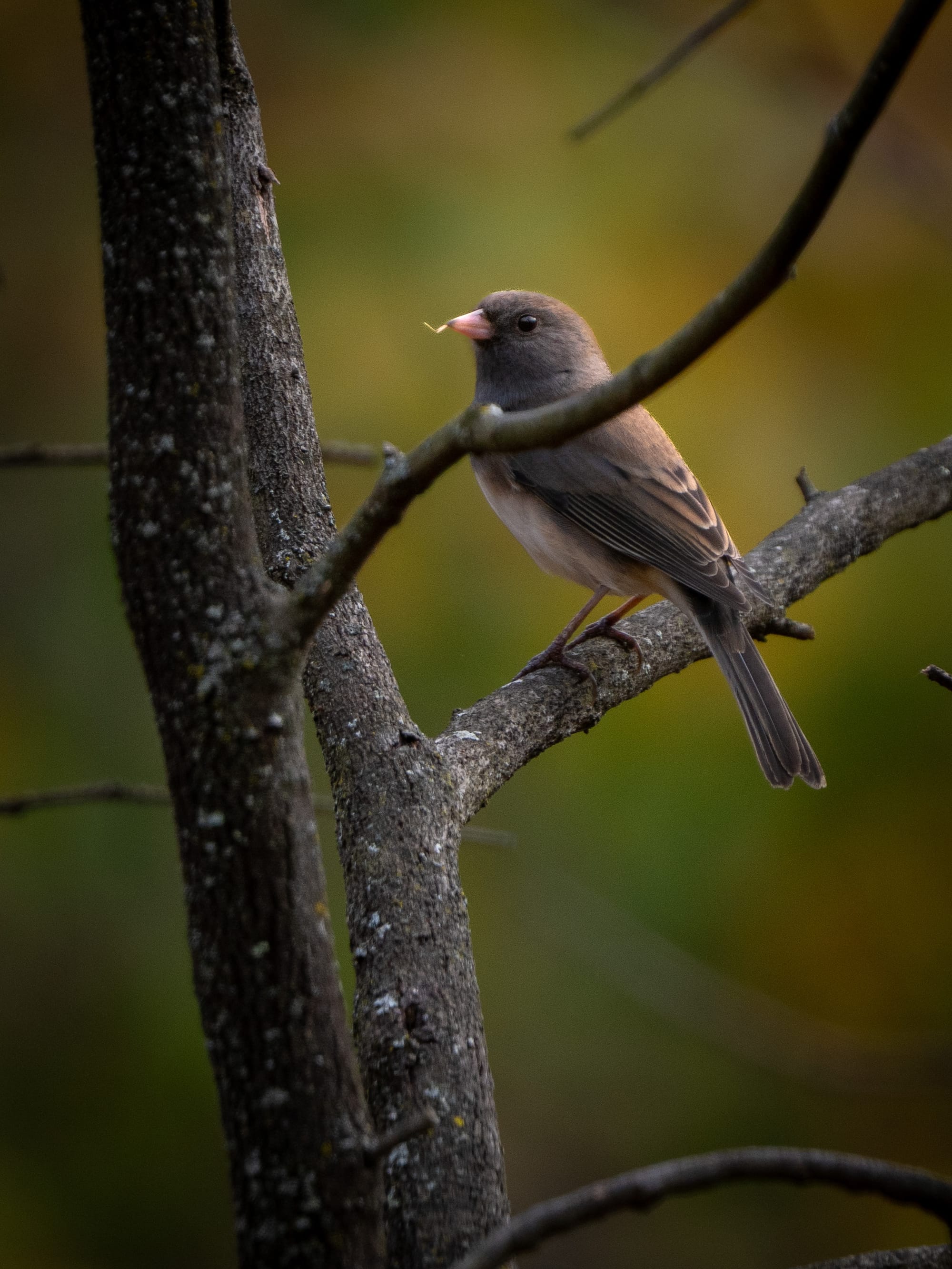
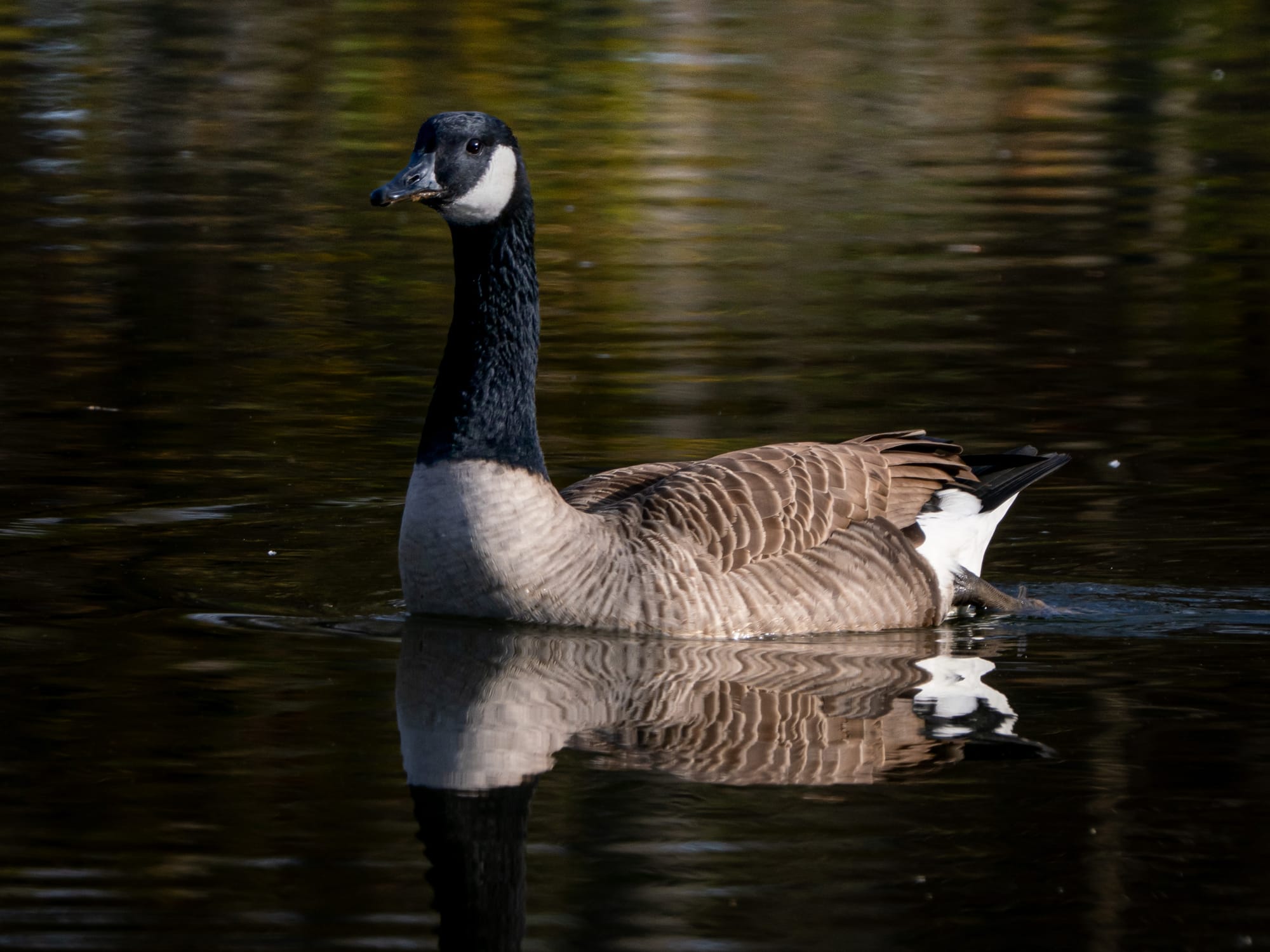
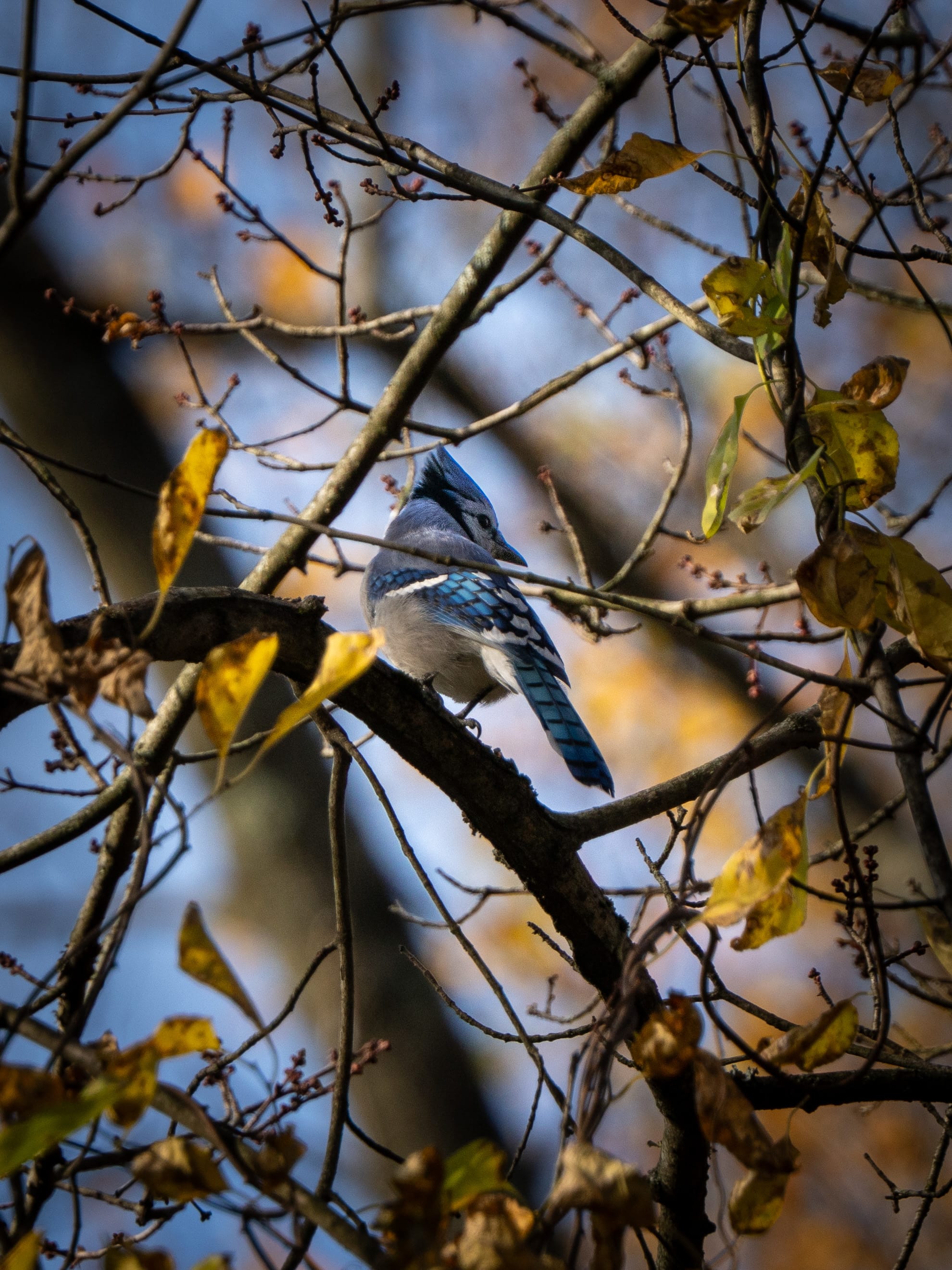
Pileated Woodpecker, Dark-eyed Junco, Canada Goose, Bluejay
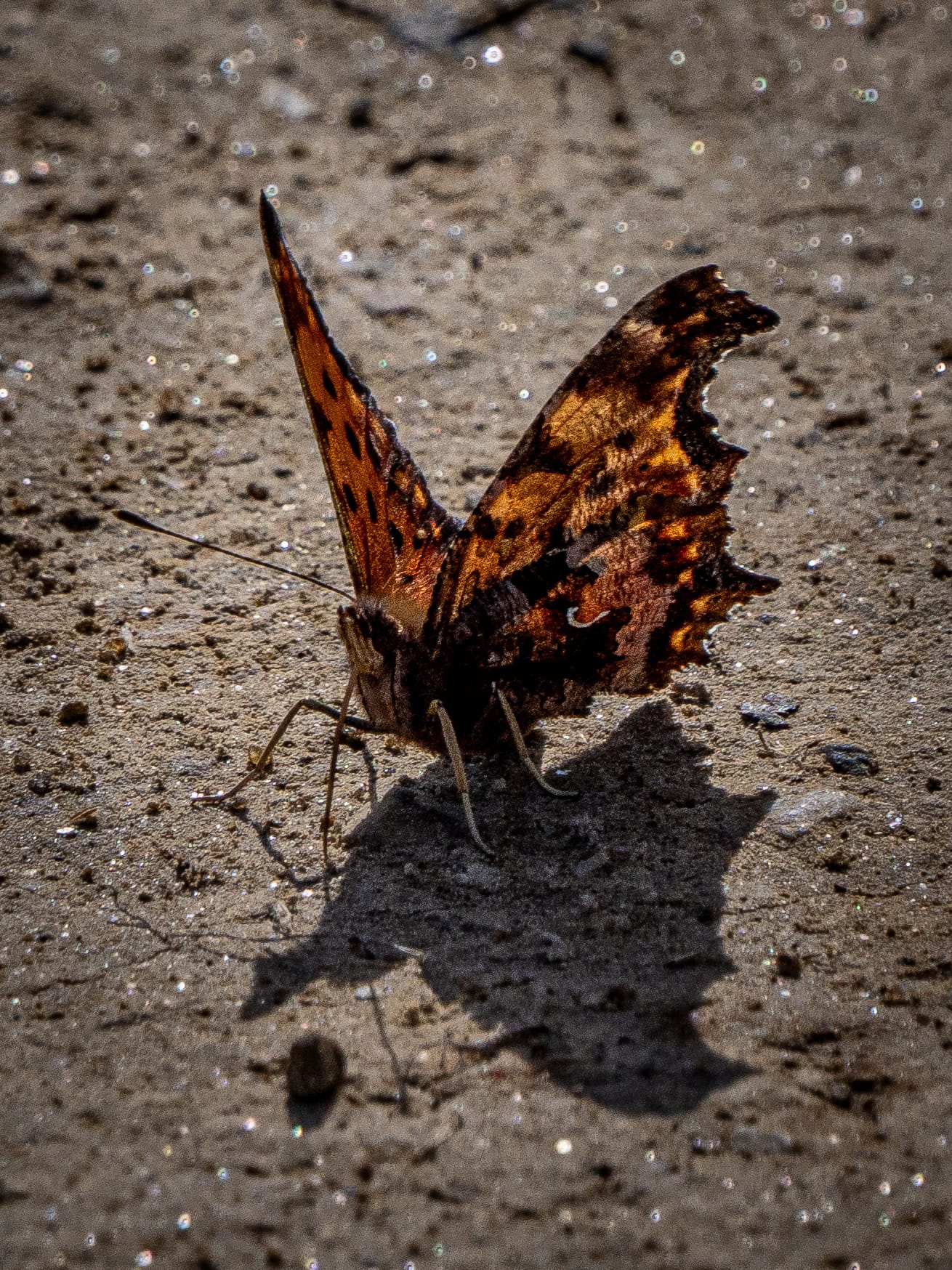
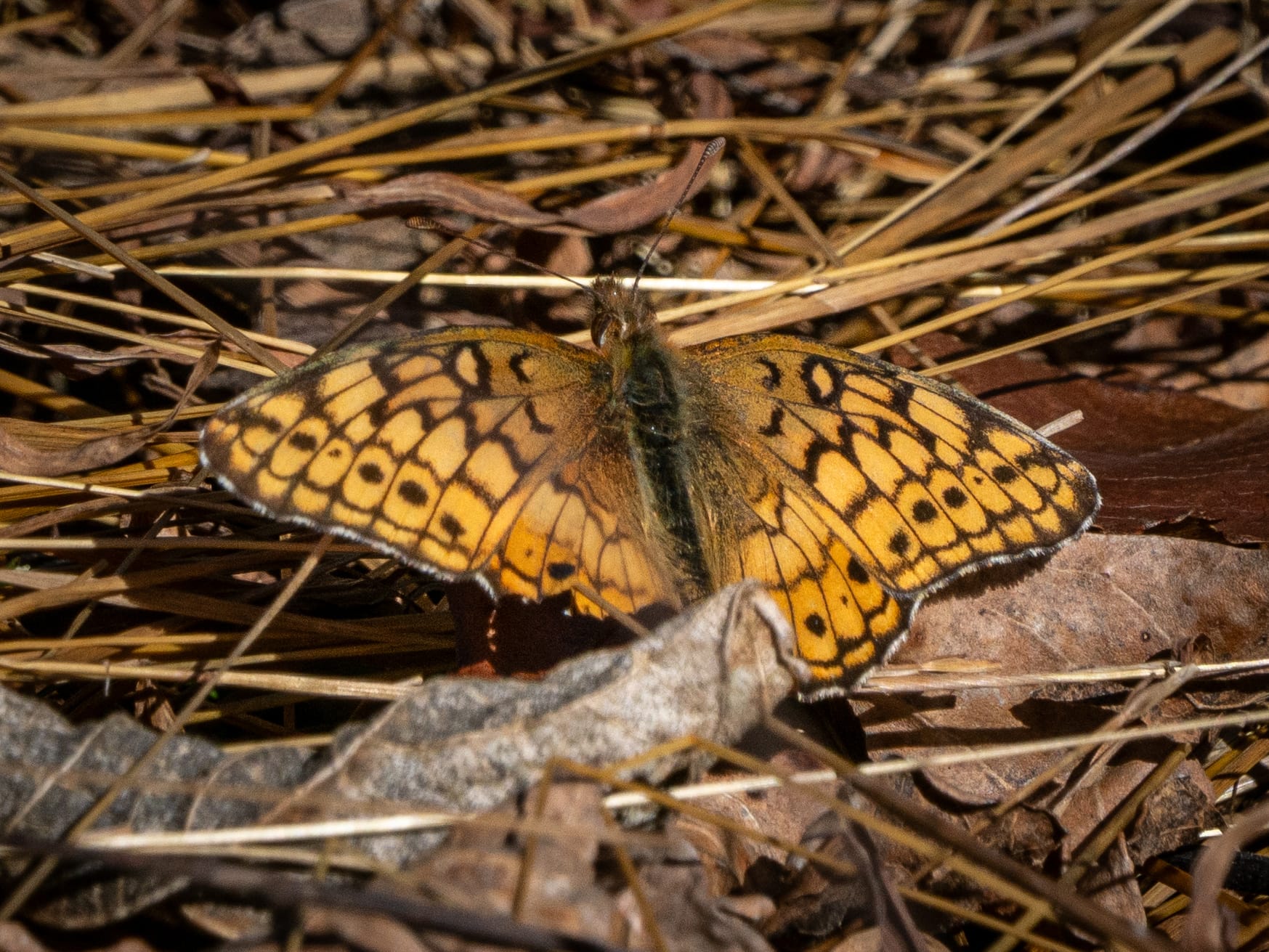
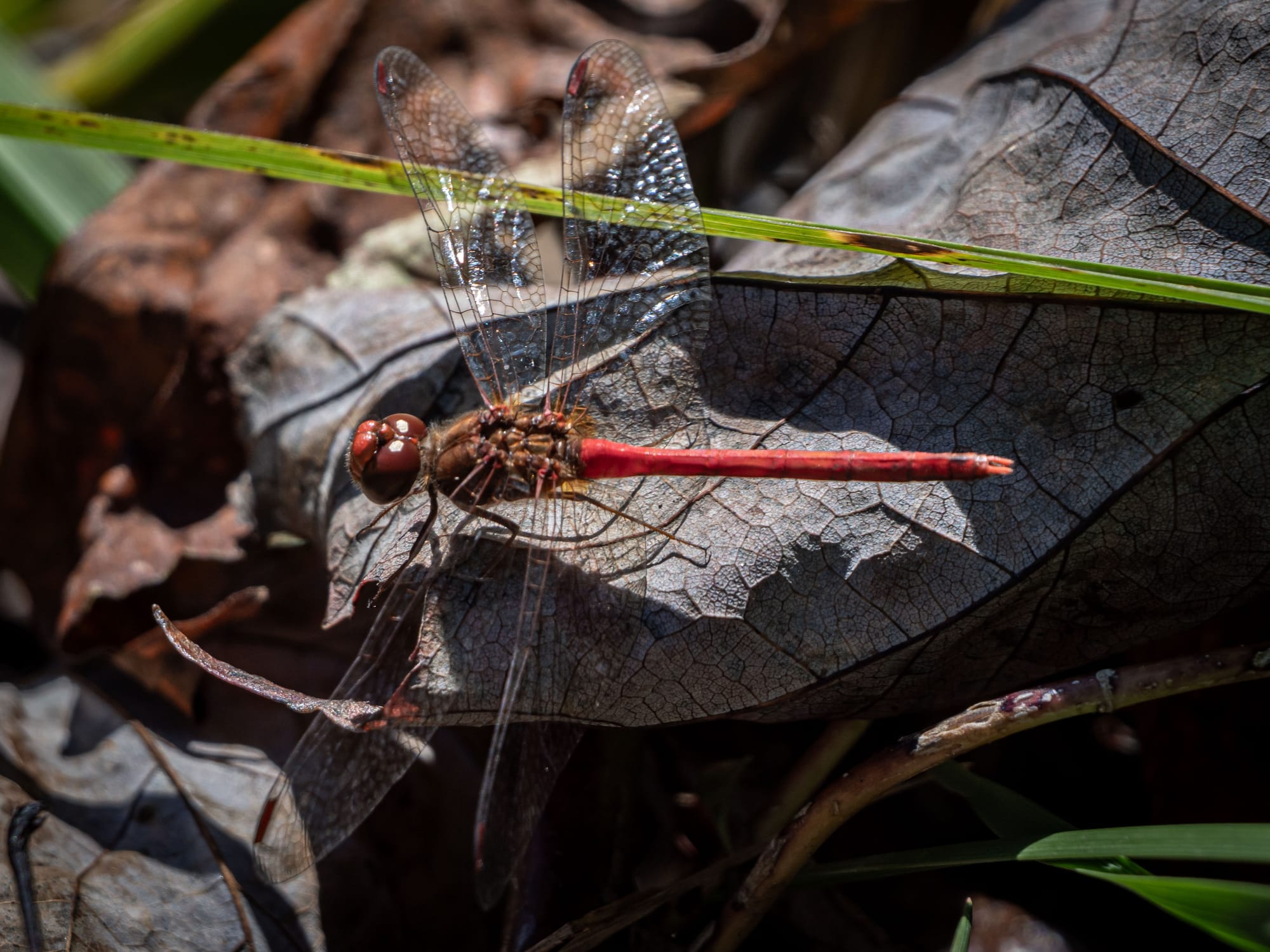
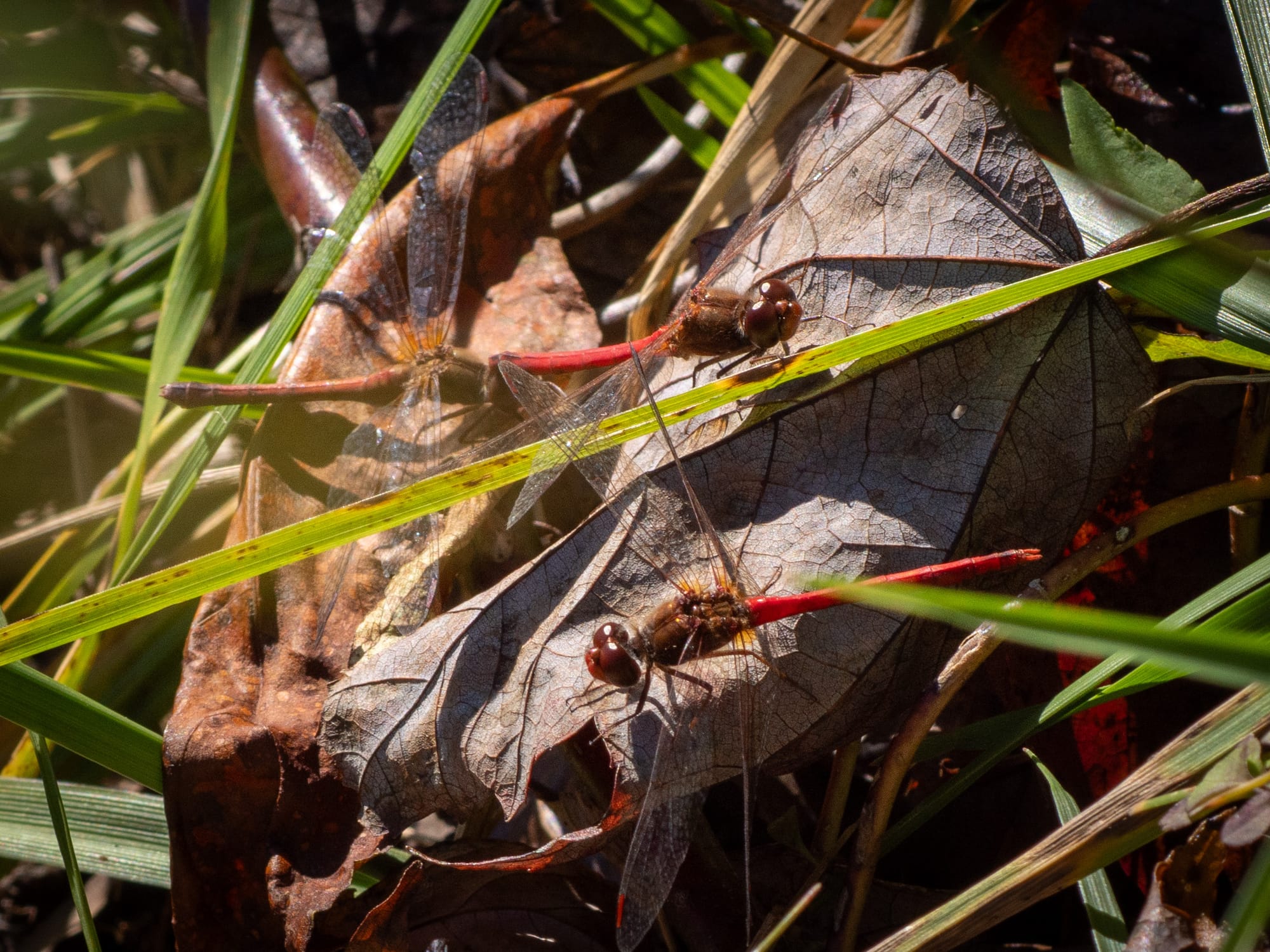
Eastern Comma Butterfly (the comma is a small white marking on the wing), Meadow Fritillary Butterfly, Autumn Meadowhawk Dragonfly, more Meadowhawks including mating pair.
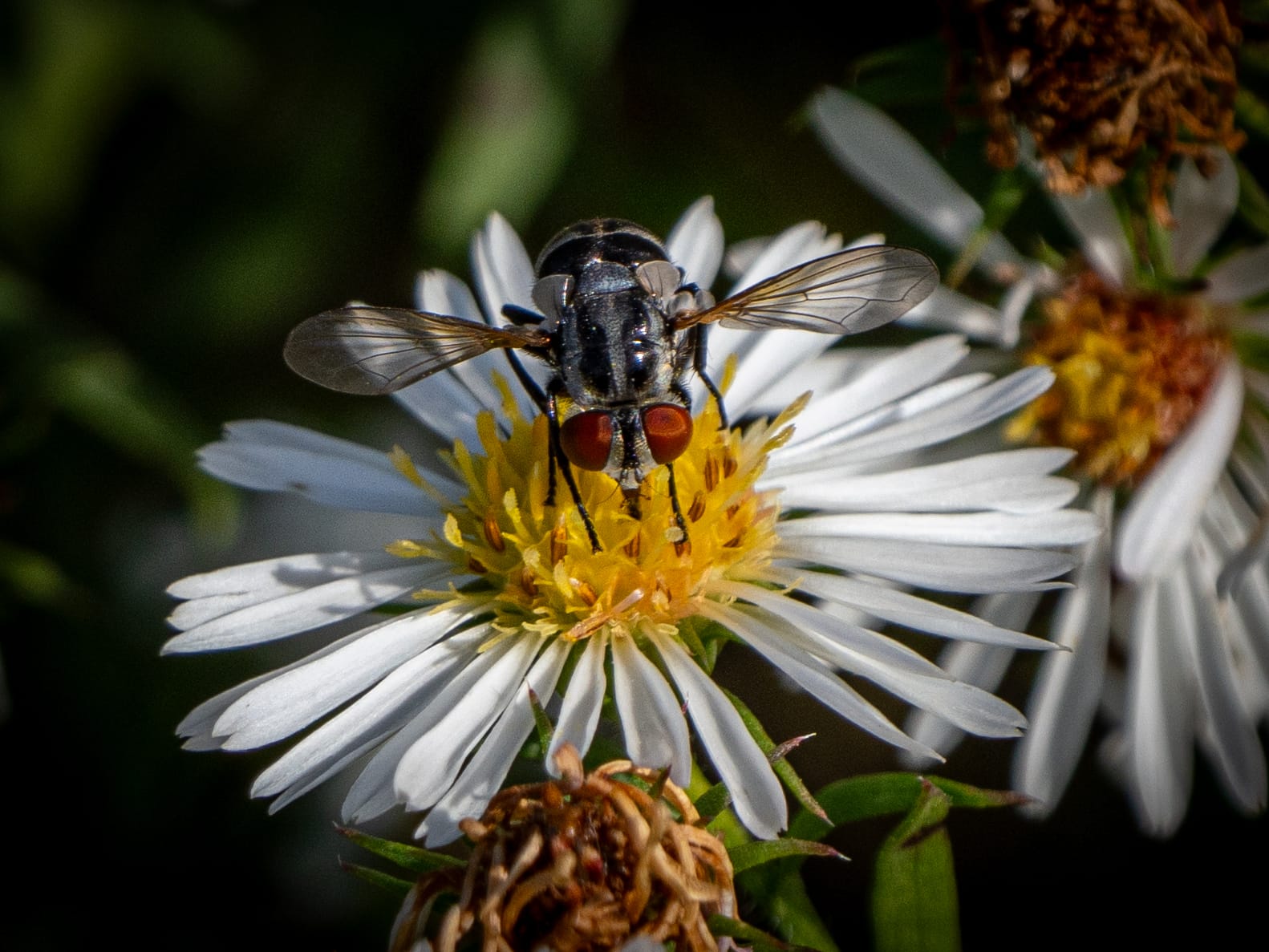
I didn't find a common name for this striking looking fly. Best I can tell it's Gymnoclytia occidua, a tachinid fly that lays its eggs on adult stink bugs. The eggs hatch and the fly larva feeds on the bug ultimately killing it.
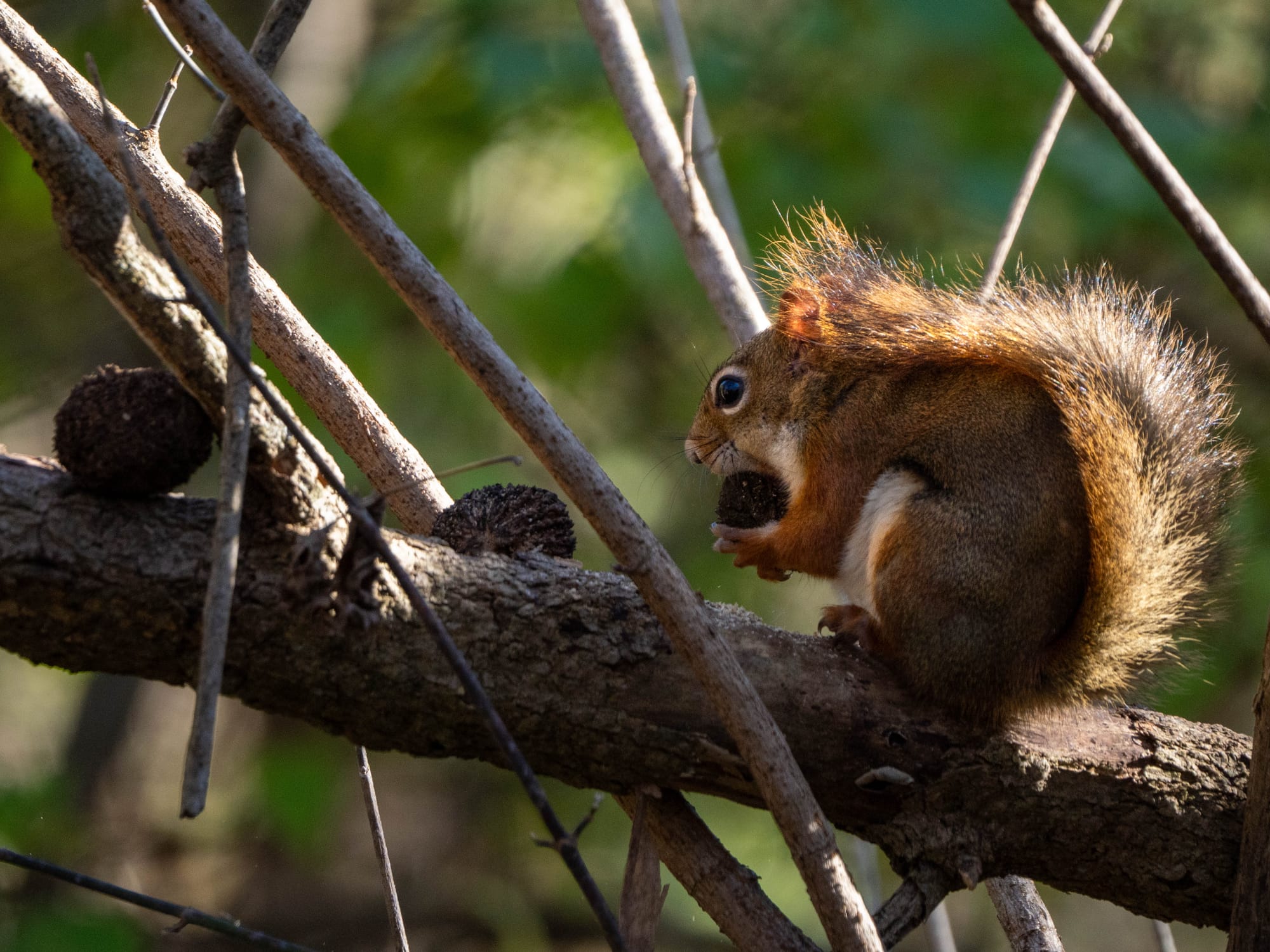
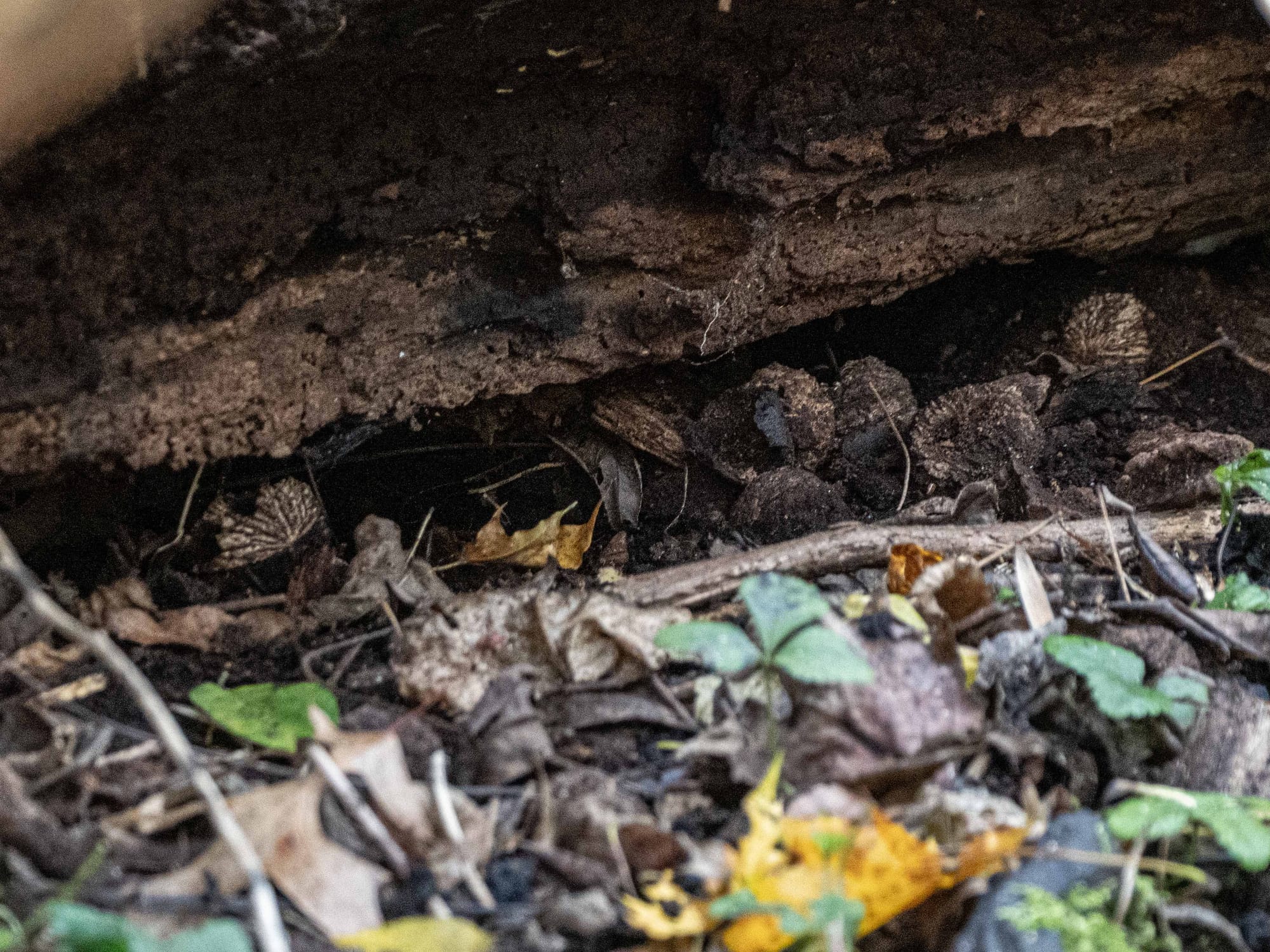
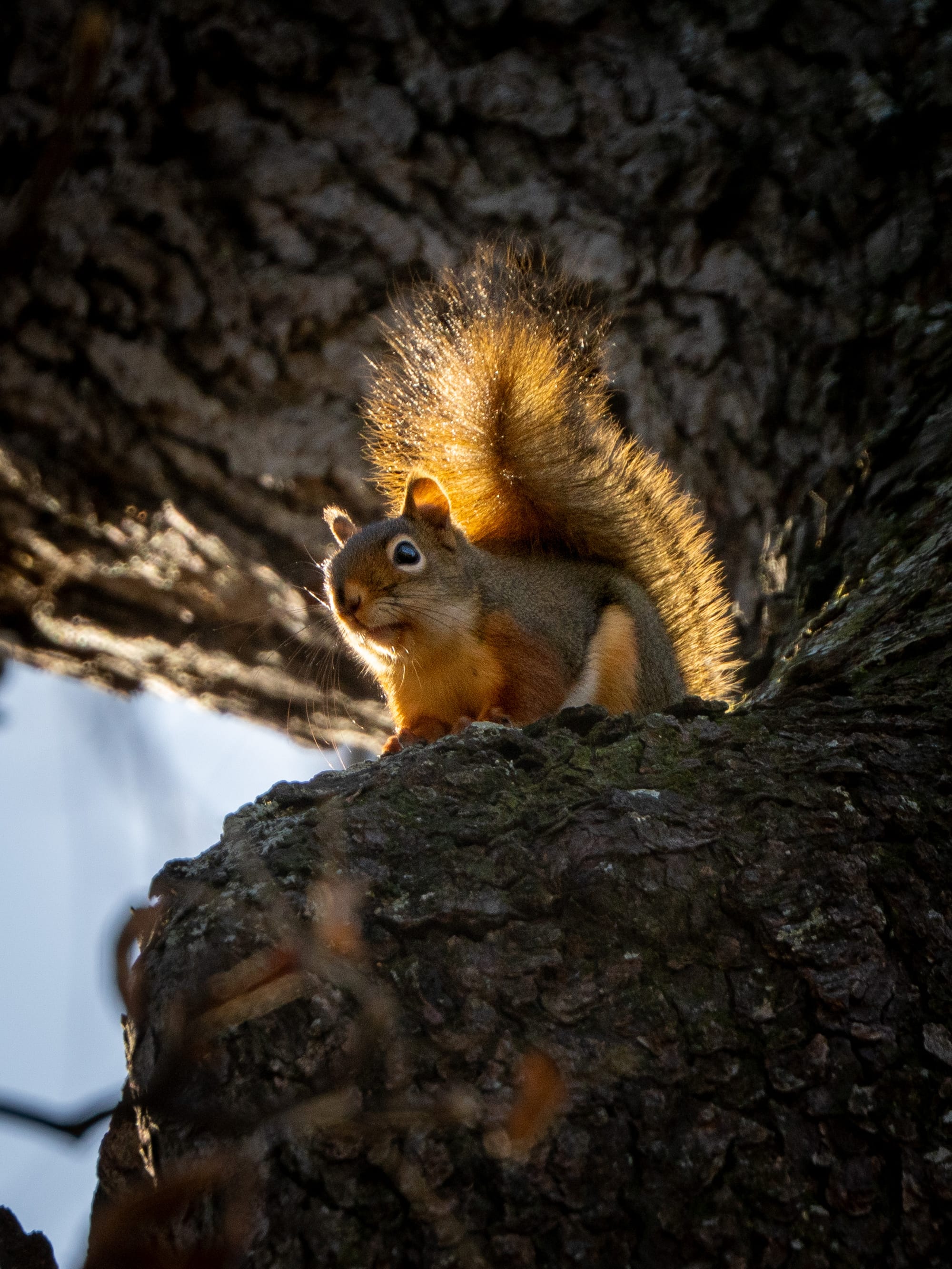
I am hearing Red Squirrels barking every day. The first has a couple of spare black walnuts stashed nearby in the branches. They were photographed just above the hollow log being used as a larder for more black walnuts. The last is another vigilant Red Squirrel that was barking away at something as I approached.
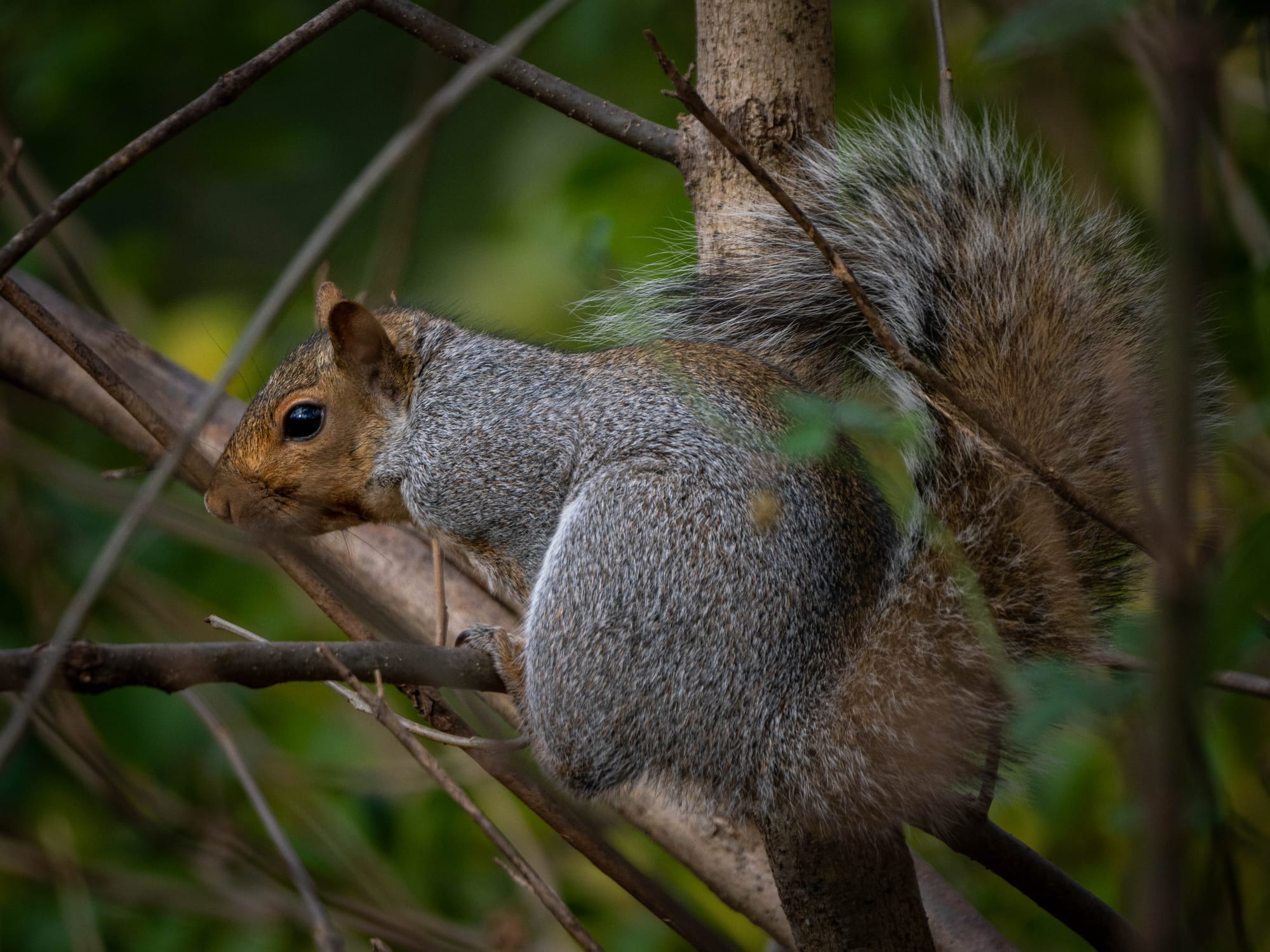
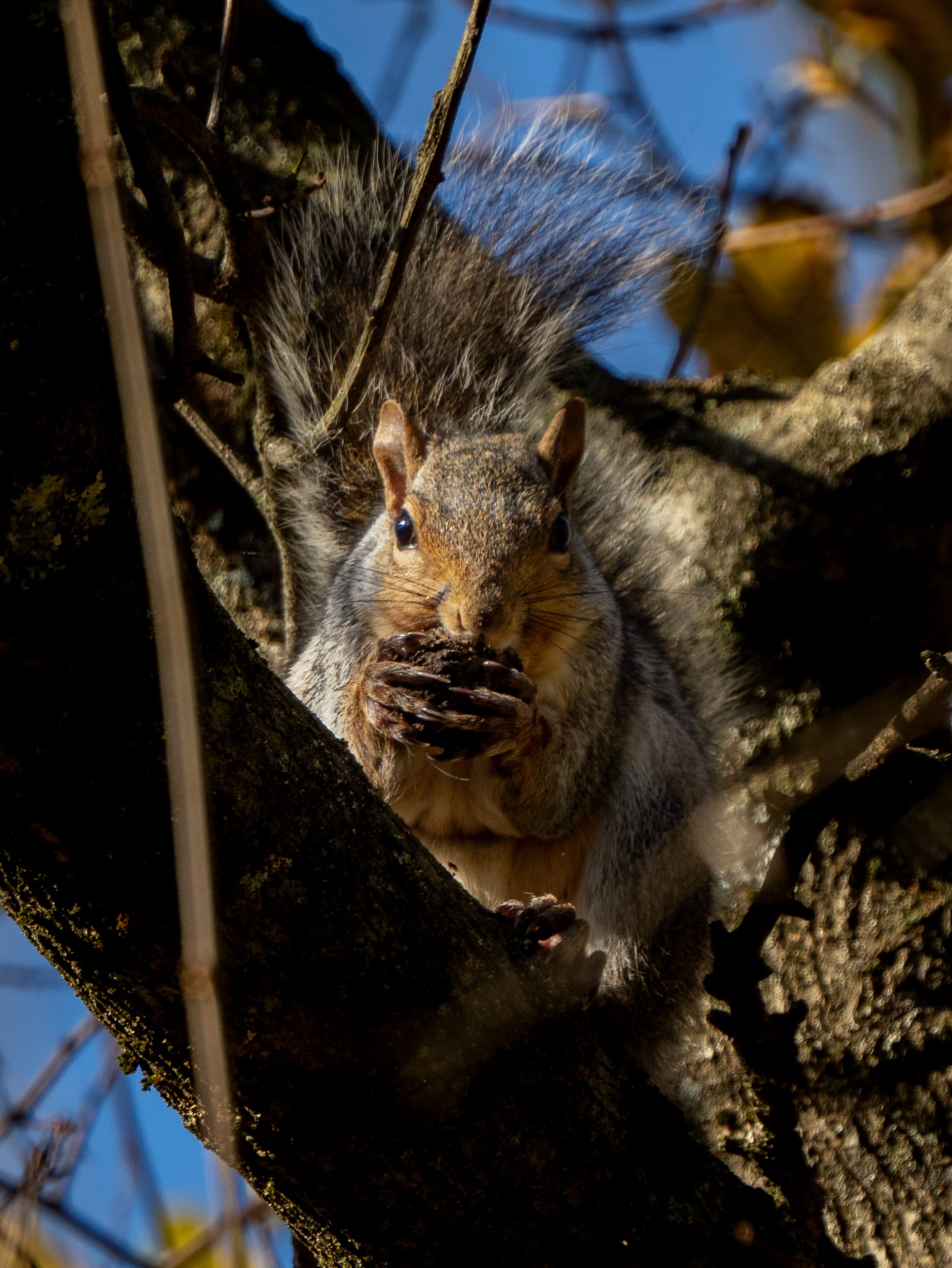
Gray Squirrels
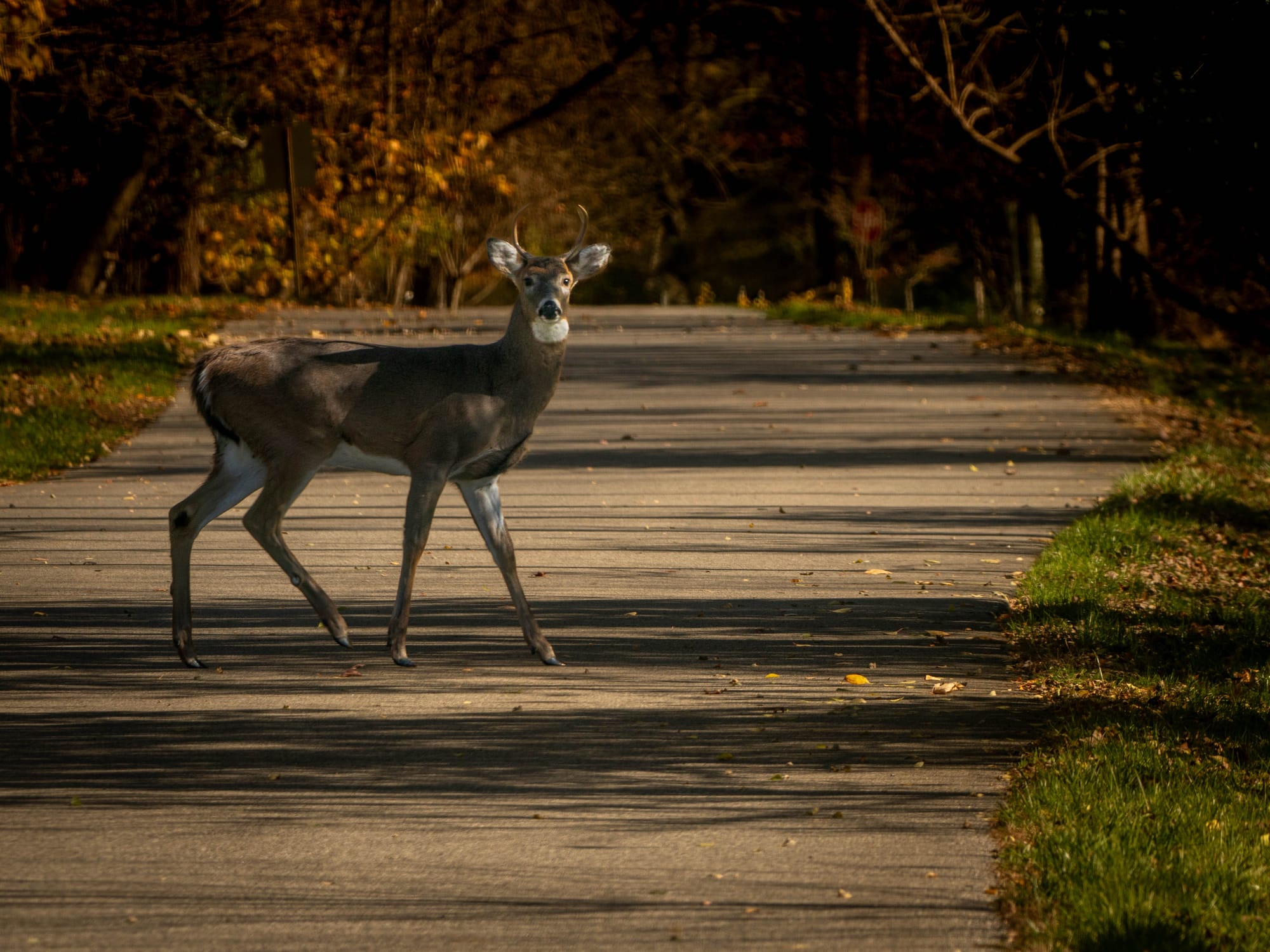
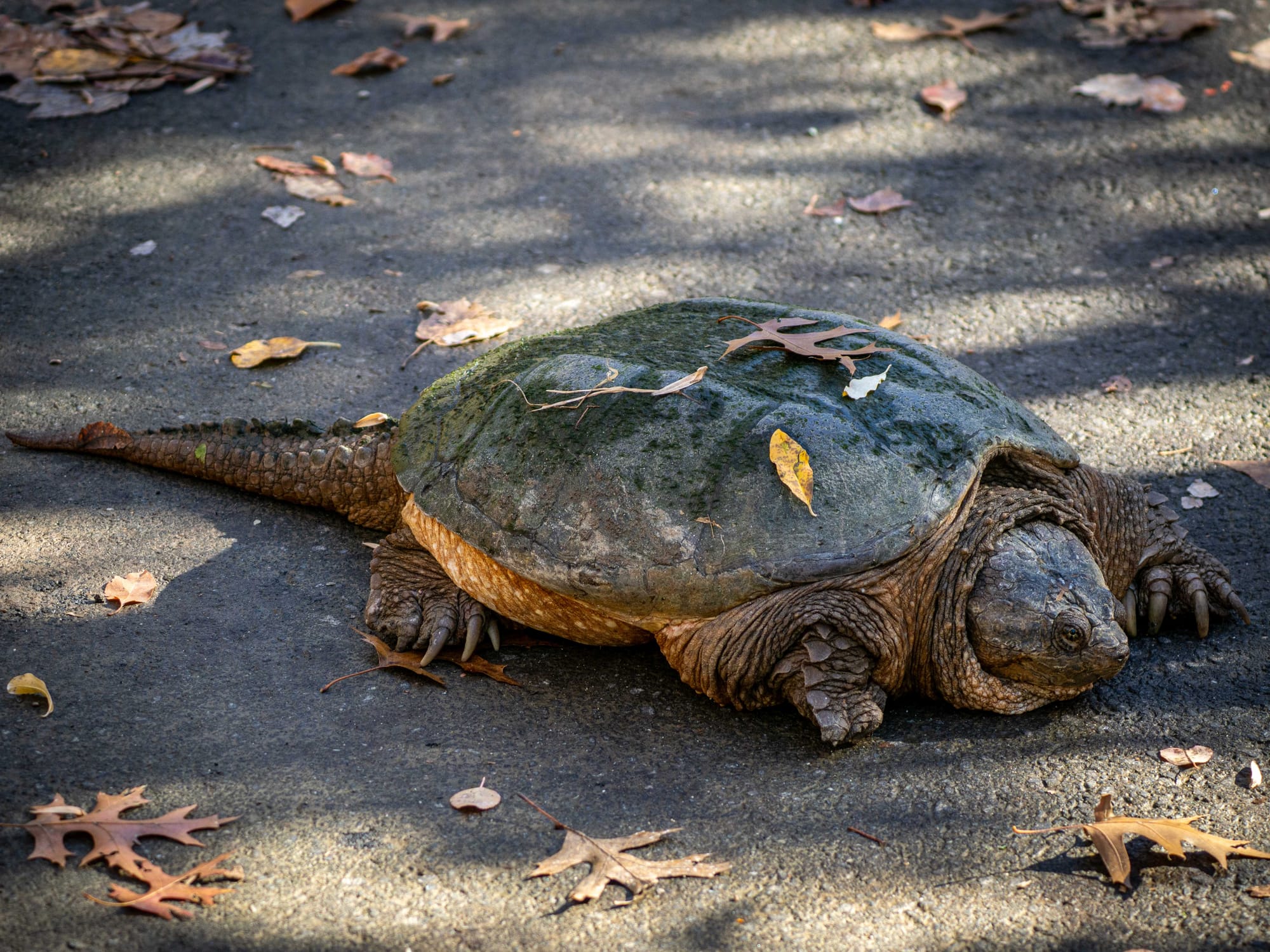
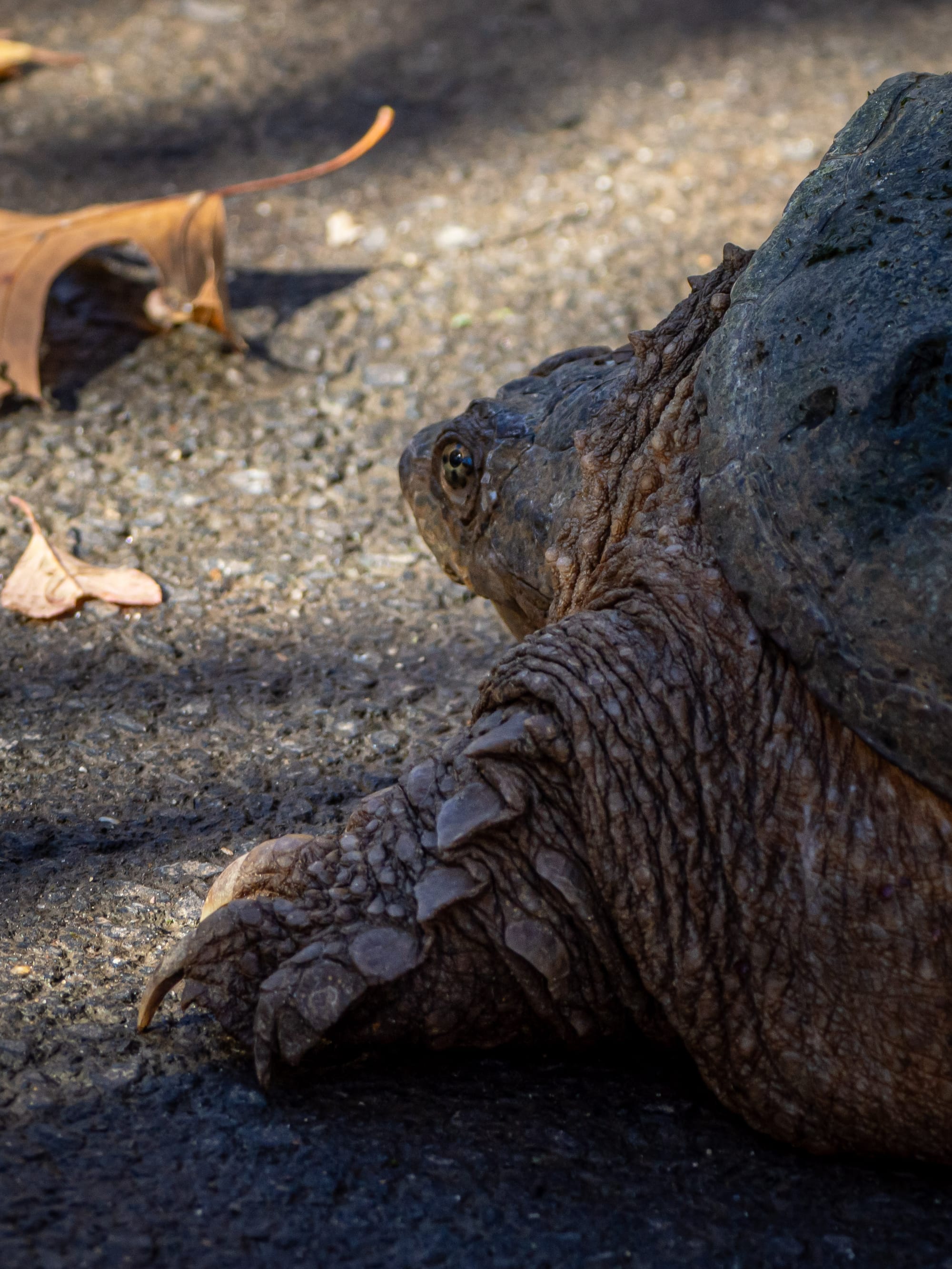
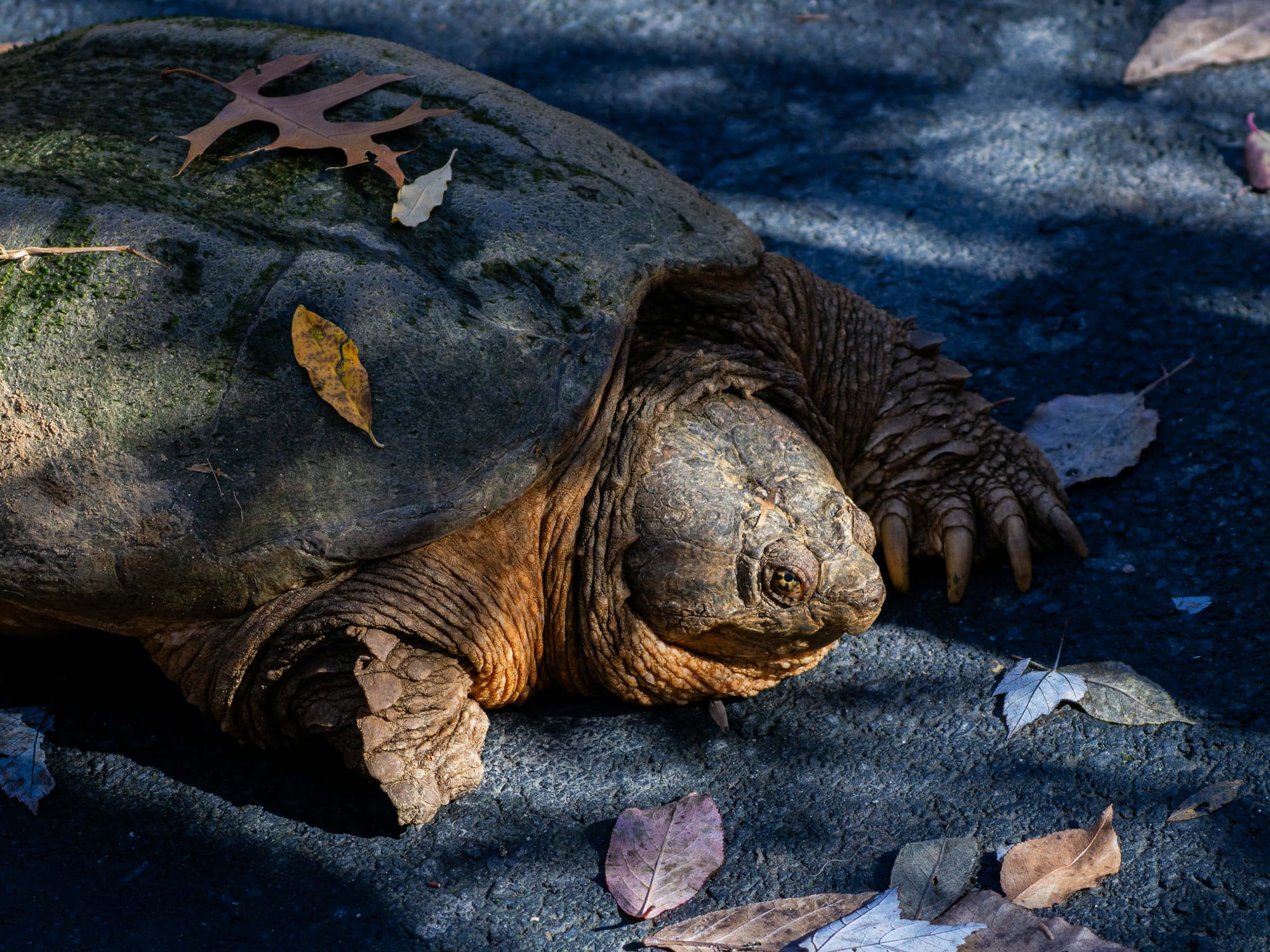
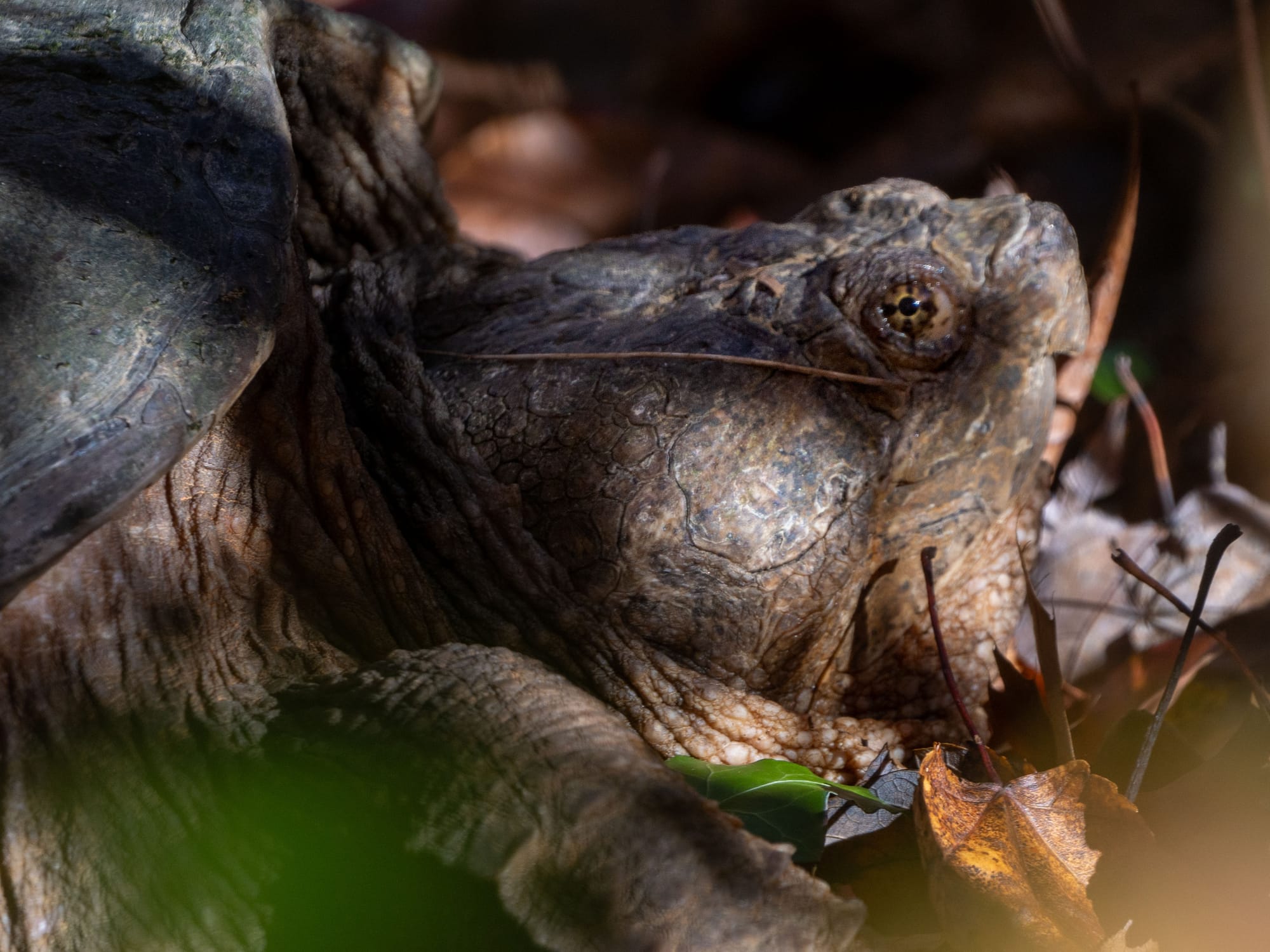
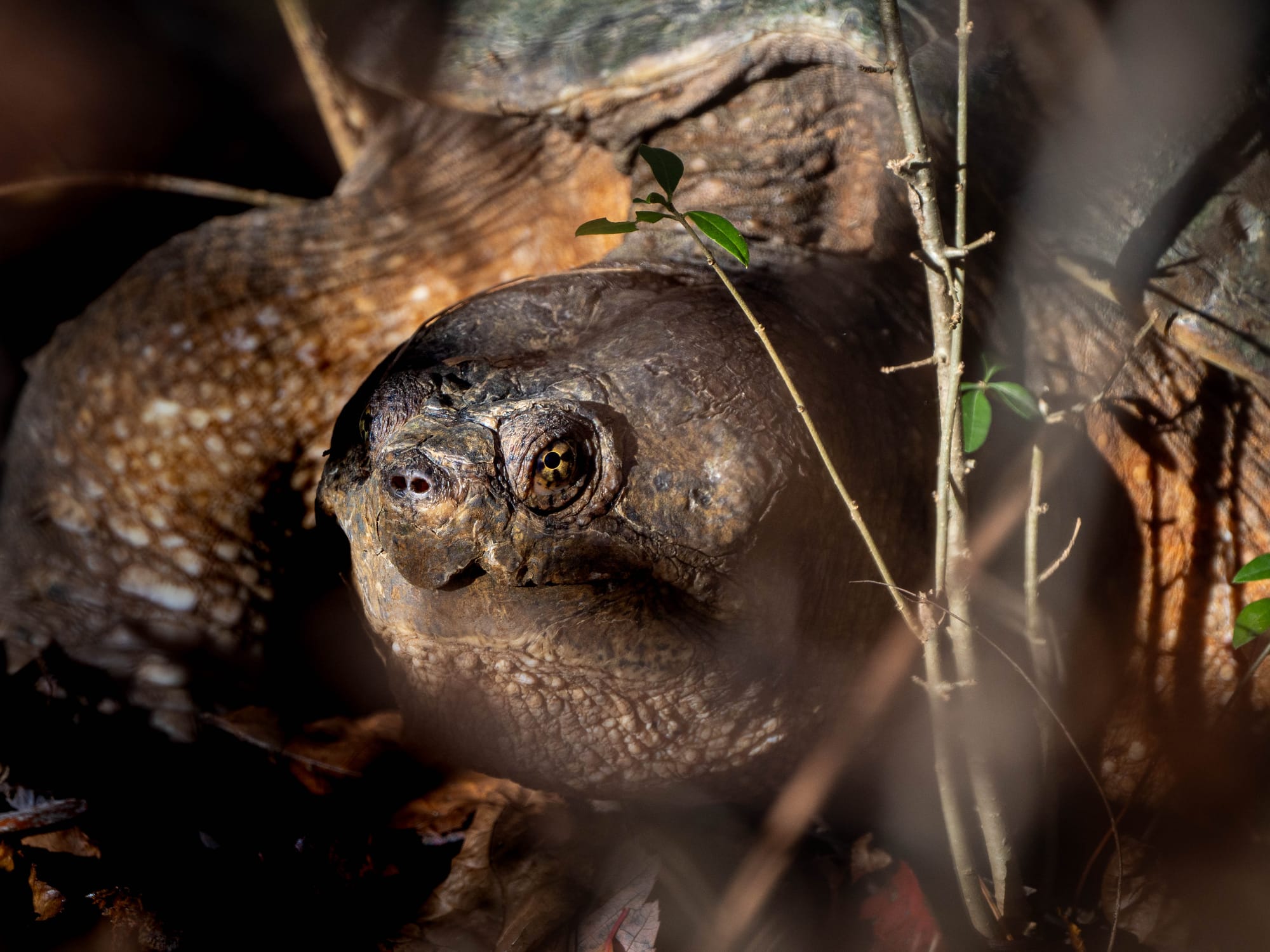
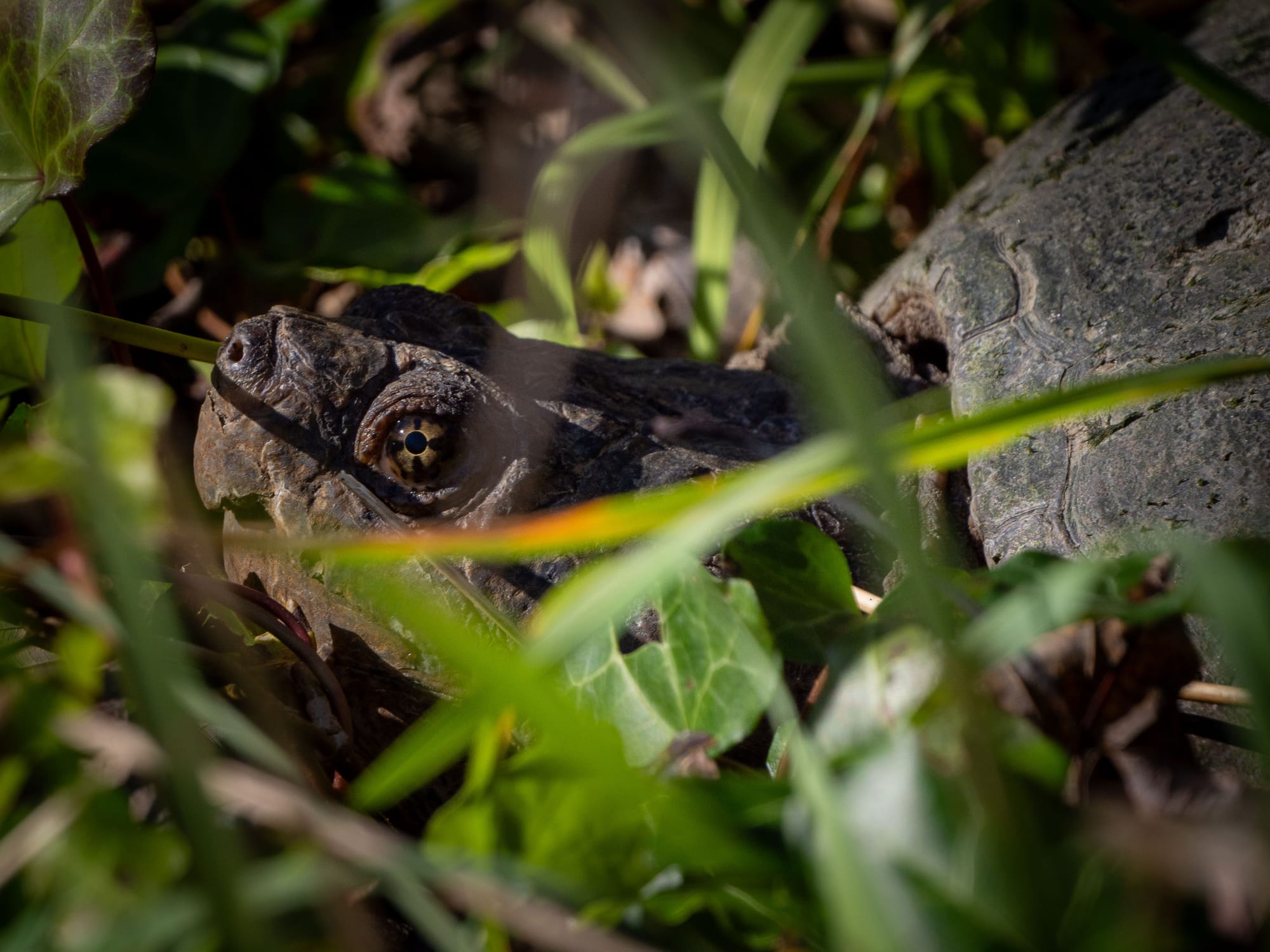
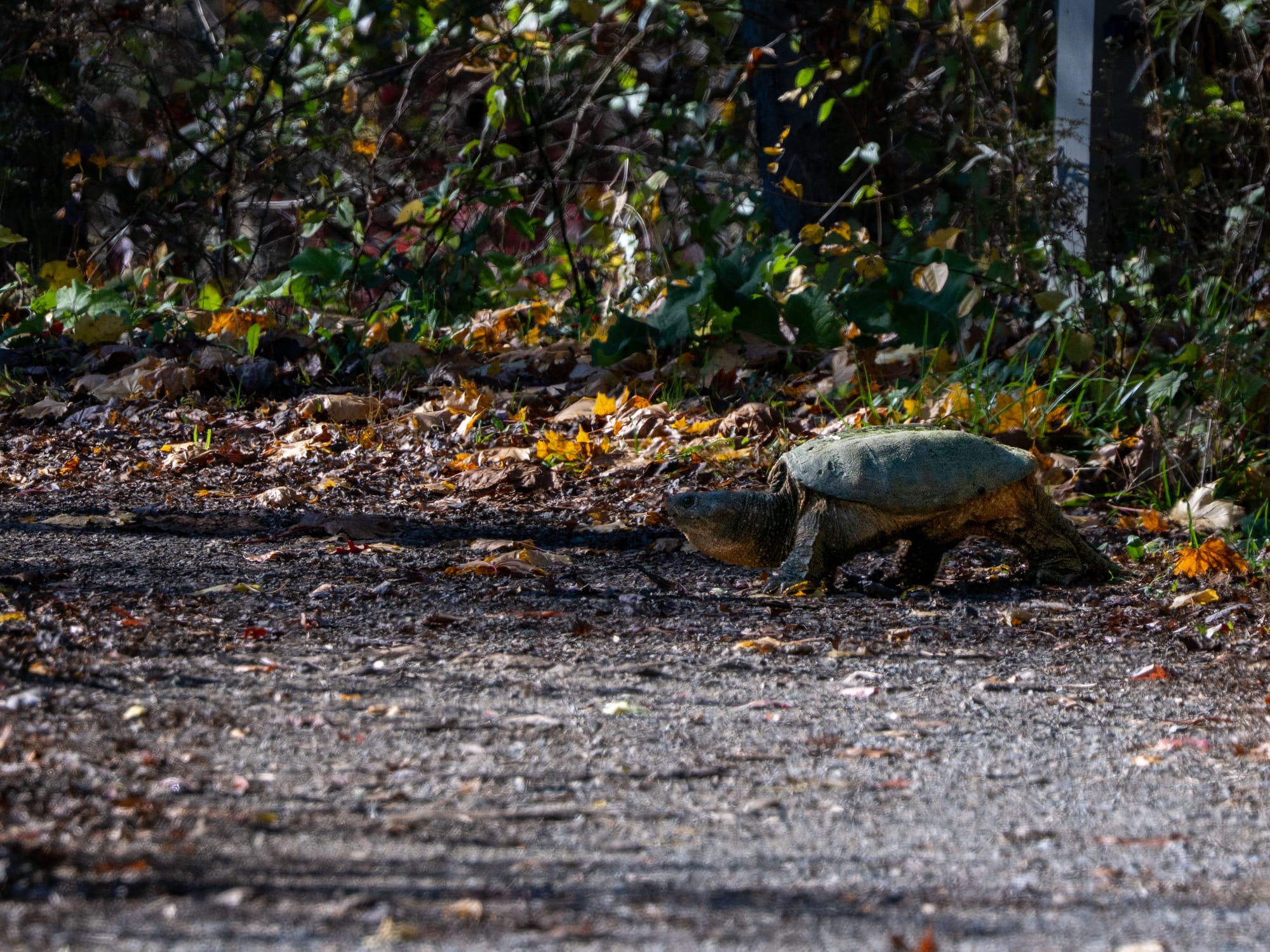
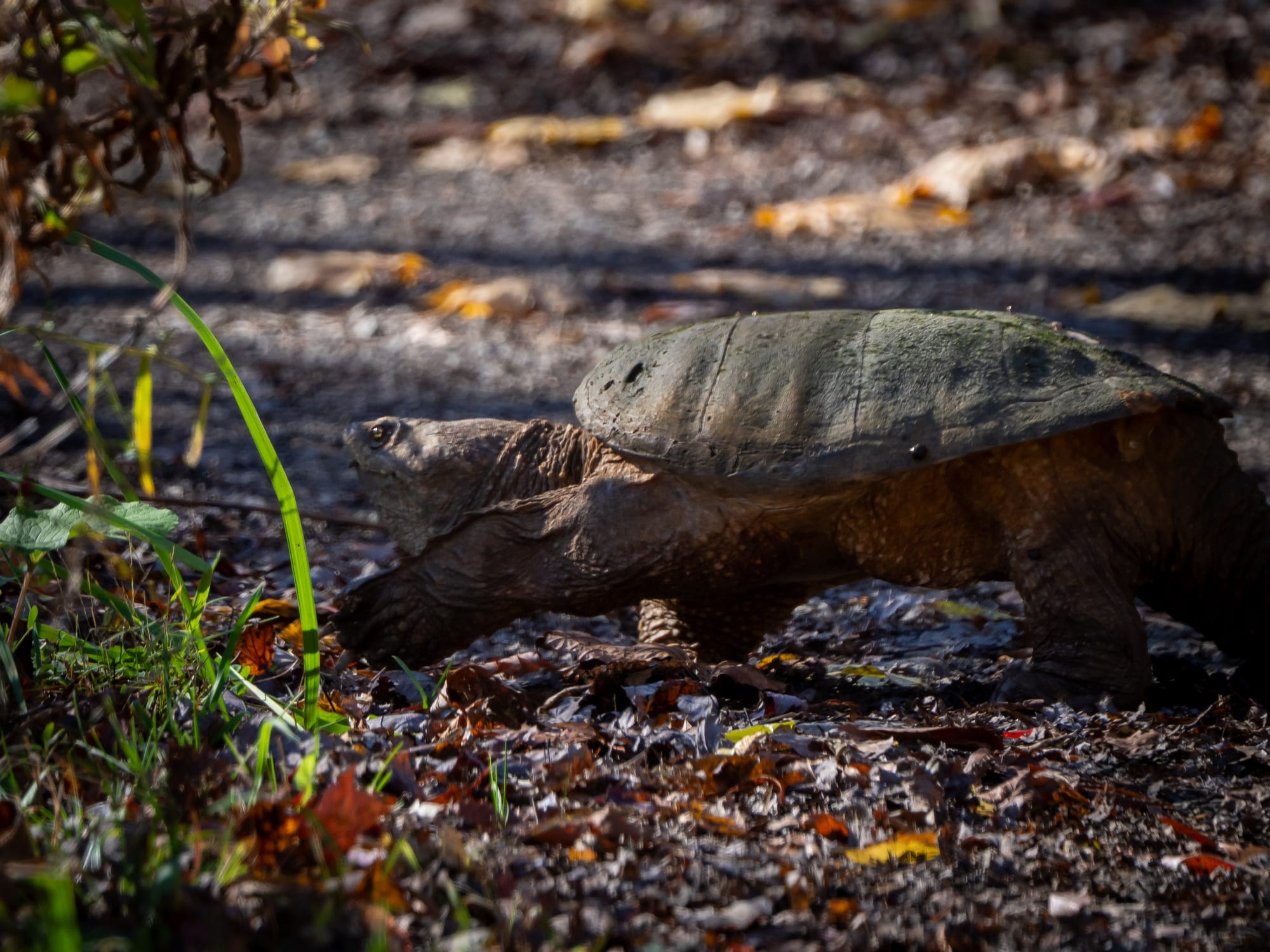
I spotted this Common Snapping Turtle travelling to the north end of the big pond.
On November 10 the Snapping turtle pictured above was observed on the asphalt trail beyond the far northwest end of the big pond. Over the next hour or so it climbed the steep bank, reached the edge, and slipped into the pond.
My first thought was that it had been returning to the pond after laying eggs, and that's what I told some folks. Now I am pretty sure I was wrong. Snappers nest in late May and June, and I couldn’t find any record of one nesting this late.
Snappers are usually settled for the winter by this time of year. This one may have come from the creek looking for a well-insulated spot to spend the winter, something biologists suspect drives movement this time of year.
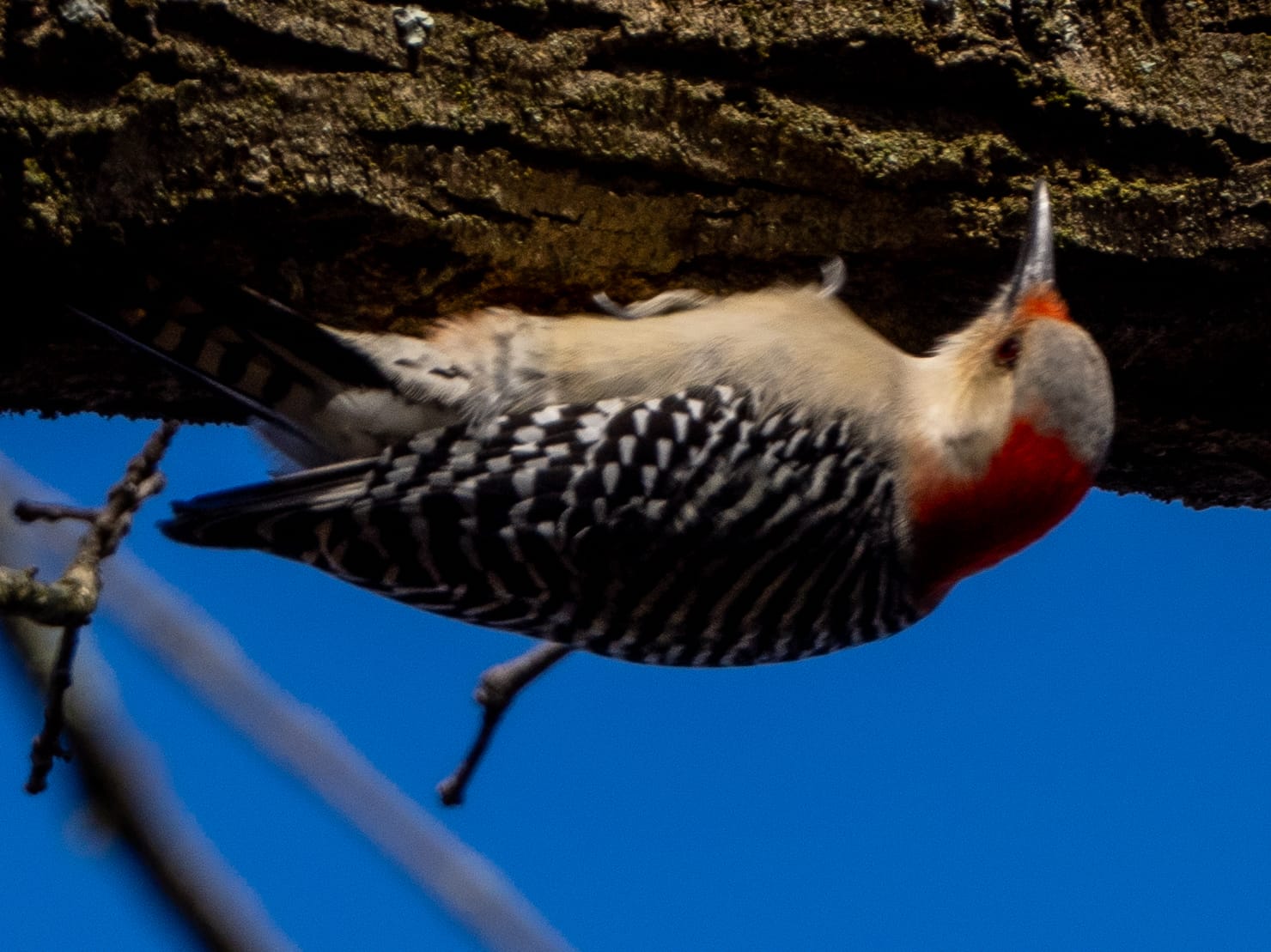
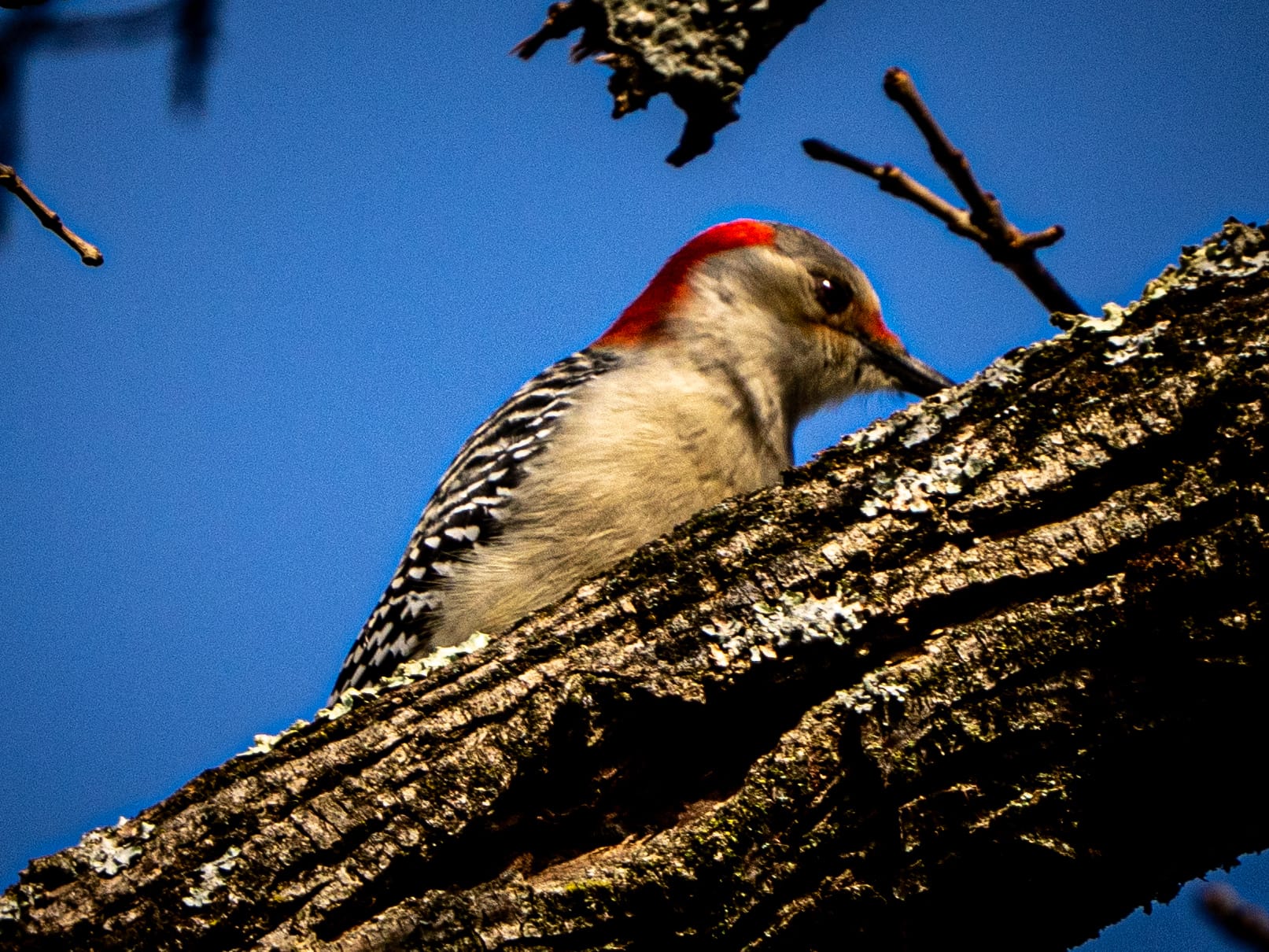
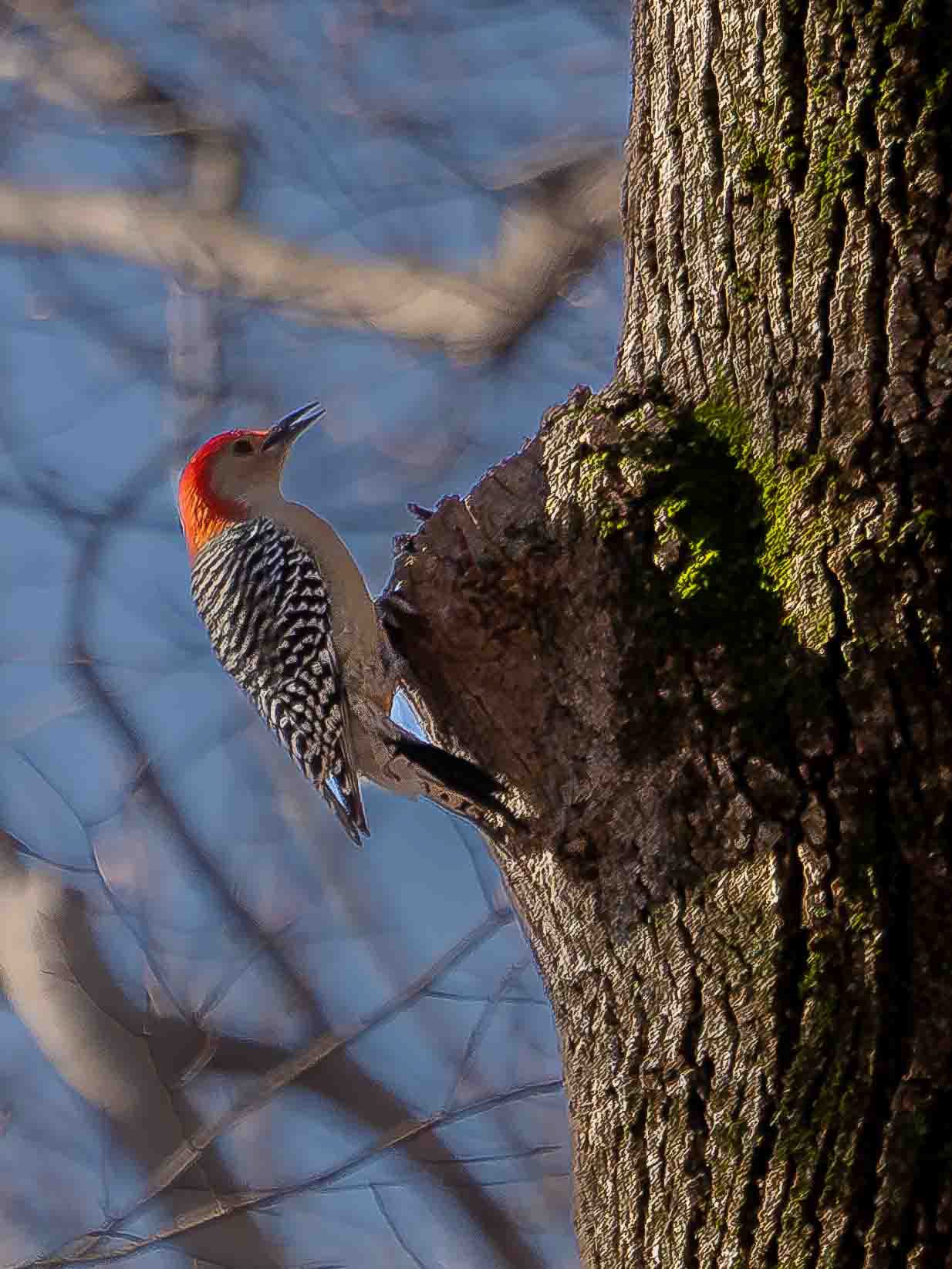
Red-bellied Woodpeckers are a common sight at the park (yes, they should be called "red-headed" but another species has that common name). The gray patch on the red crest marks this one as a female. The third photo is a male with a full red crest.