July 27-August 4 at Anson B. Nixon Park
Sign up for Nature Walks at Anson B. Nixon Park — Tuesdays 9:30–10:30AM Sign up for Nature Walks at Anson B. Nixon Park — Tuesdays 9:30–10:30AM
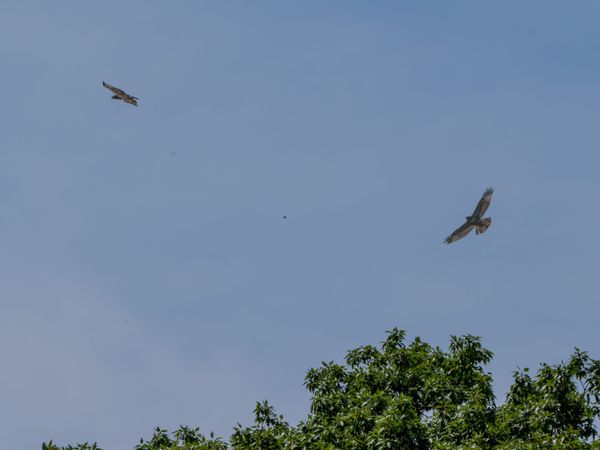
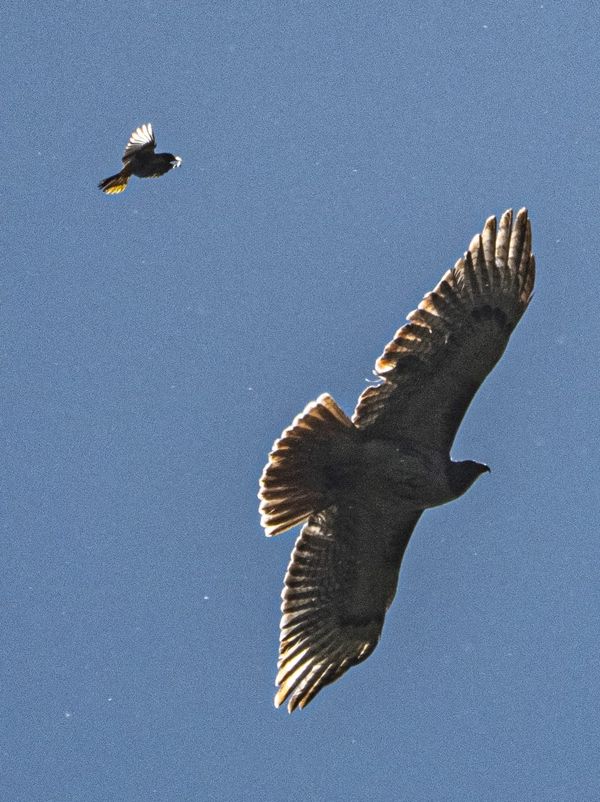
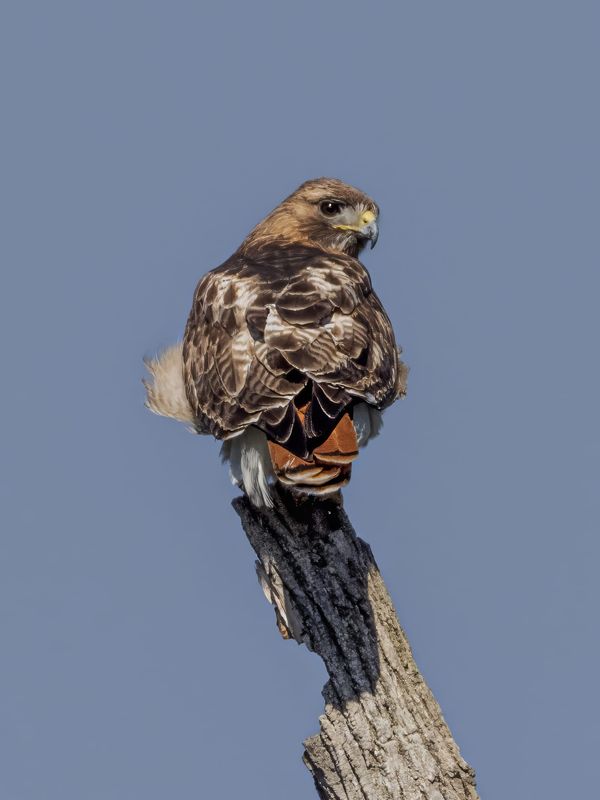
Fledglings make a lot of racket, and none are louder than Red-tailed Hawks. One morning this week I heard a Red-tailed hawk calling repeatedly but I couldn't spot it. I thought it may be a Blue Jay imitating the hawk's call (they are very
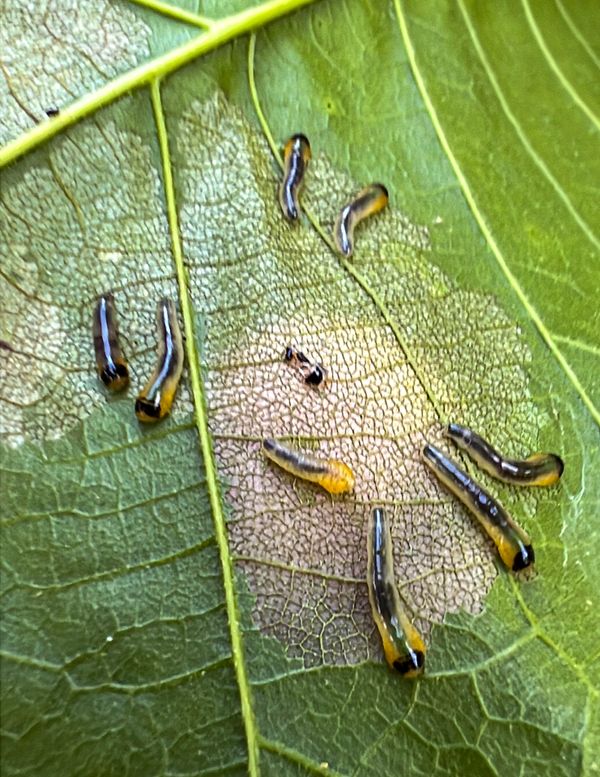
The oak slug sawfly (Caliroa annulipes) is neither a slug or a fly. The first thing you notice is the leaves of this swamp oak, they look skeletonized. Turn the leaf over and you find club-shaped translucent worms coated in wet mucus like a slug. It's the
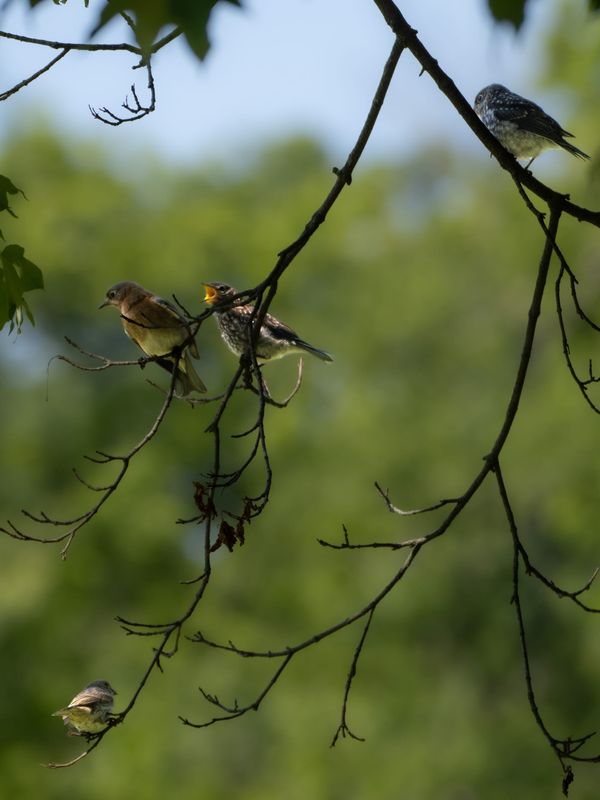
Fledglings have started showing up, like the Bluebirds above they will follow their parents around for a week or so demanding to be fed. Sign up for Nature Walks at Anson B. Nixon Park — Tuesdays 9:30–10:30AM Sign up for Nature Walks at Anson B. Nixon Park — Tuesdays
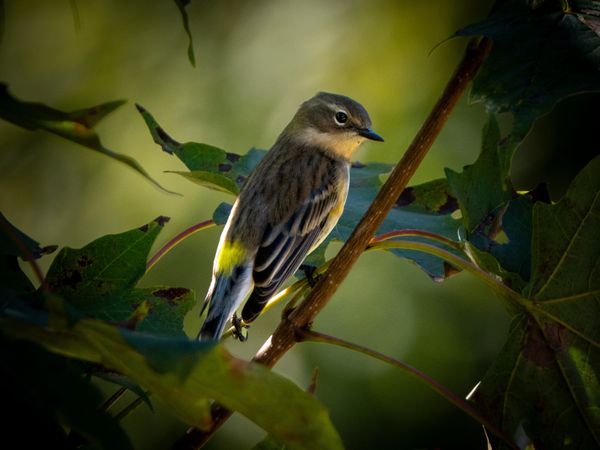
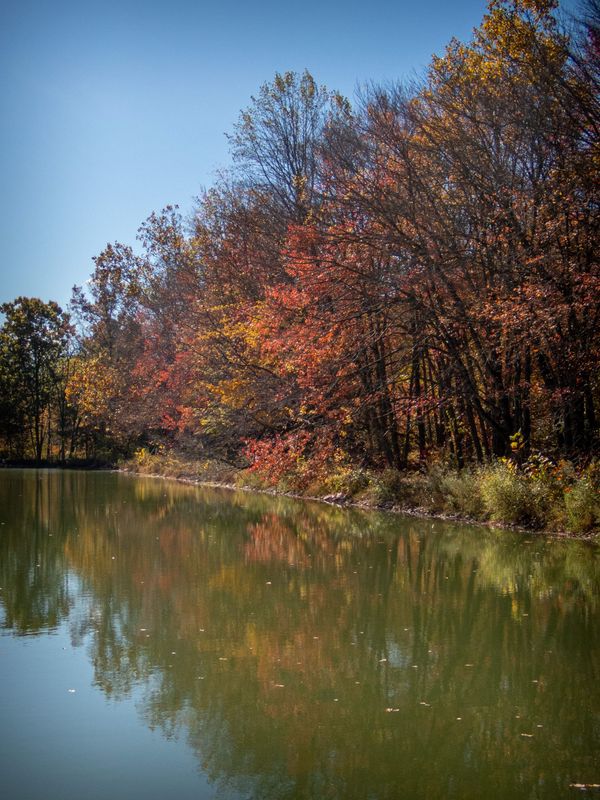
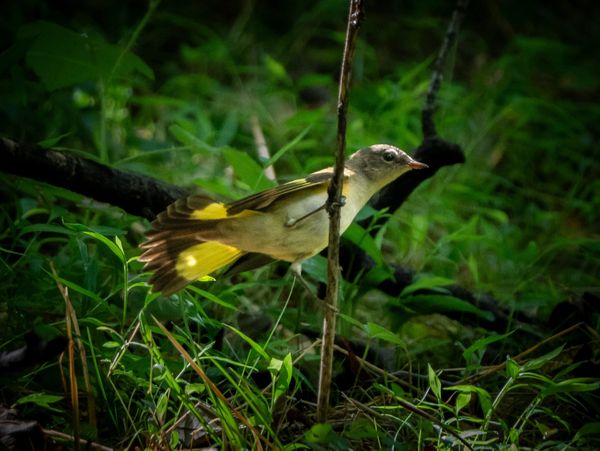
Photography was difficult during our long stretch of gray rainy weather, But here's the latest observations. Sign up for Nature Walks at Anson B. Nixon Park — Tuesdays 9:30–10:30AM Sign up for Nature Walks at Anson B. Nixon Park — Tuesdays 9:30–10:30AM
Sign up for Nature Walks at Anson B. Nixon Park — Tuesdays 9:30–10:30AM
Philadelphia Fleabane has been blooming all over the park in the past week. It's hard to miss, it looks like a small daisy on overdrive. What appears to be a single flower is actually a central disc of hundreds of tiny yellow blooms surrounded by more than 150
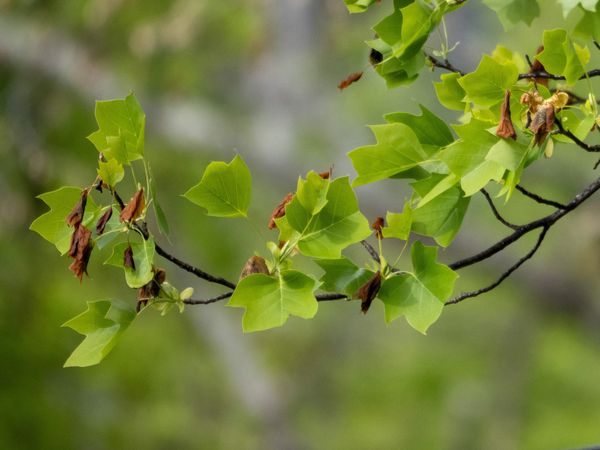
Sign up for Nature Walks at Anson B. Nixon Park — Tuesdays 9:30–10:30AM The late April frost damaged many tress at the park, but they have a fallback strategy. Frost damaged leaves stop producing hormones that suppress dormant buds - those buds grow and replace the damaged leaves. which
The last two weeks of Tuesday Nature Walks have been great fun. Sign up here for May nature walks, every Tuesday from 9:30-10:30 am. If these days and times don't work for you contact me here and we'll see if we can make
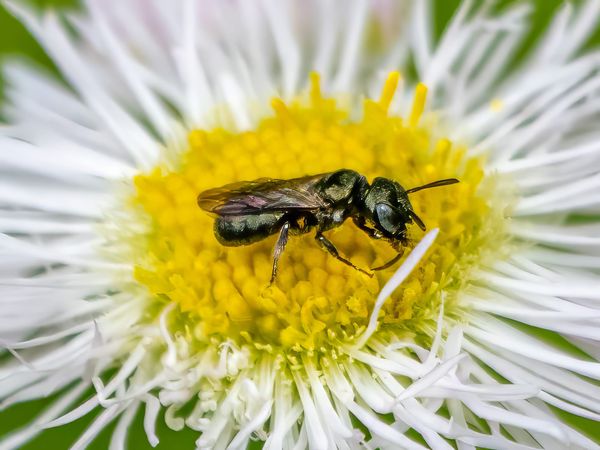
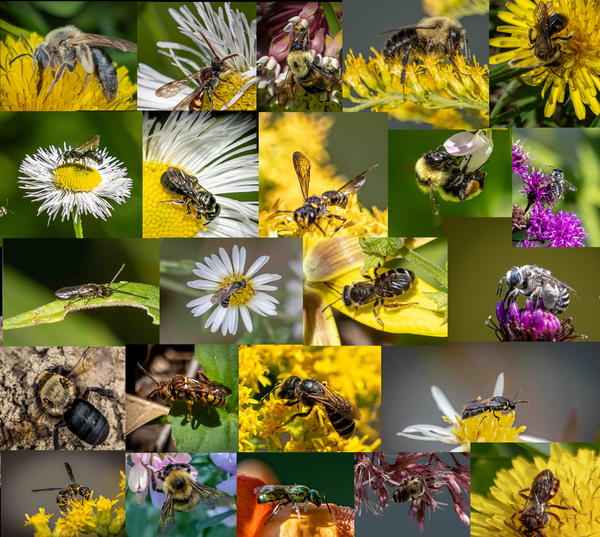
The next nature walk at the park is Tuesday the 28th of April 9:30-10:30 AM Sign up here I know that bees may not be the most exciting subject for some, but I do find them endlessly fascinating (see The Bees at Nixon Park). Several different mining
The next nature walk at the park is Tuesday the 28th of April 9:30-10:30 AM Sign up here Truth be told it's not all that difficult to get a good photo of a cooperative bird. The small, shy, frenetic ones are another thing entirely. If
The next nature walk at the park is Tuesday the 28th of April 9:30-10:30 AM Sign up here Over the past few years I have observed about 40 different species of bees at Nixon park, around half of those observations have been confirmed by other observers on
Spring's marvelous bounty quickly exhausts the stockpile of adjectives, have you been out walking yet? I'll be at the park Tuesday the 21st, weather permitting, to conduct a nature walk from 9:30 - 10:30 AM - sign up here. There are (to me at least) an
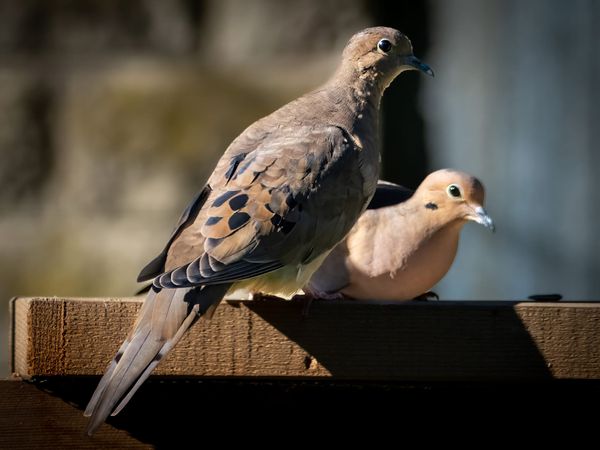
The bittersweet call and whistling flight of the Mourning Dove (Zenaida macroura) make it one of our most recognizable local birds. Females are slightly duller brownish-tan; males show a bluish-gray crown and somewhat stronger pink tones on the breast. There's a patch of iridescent feathers along
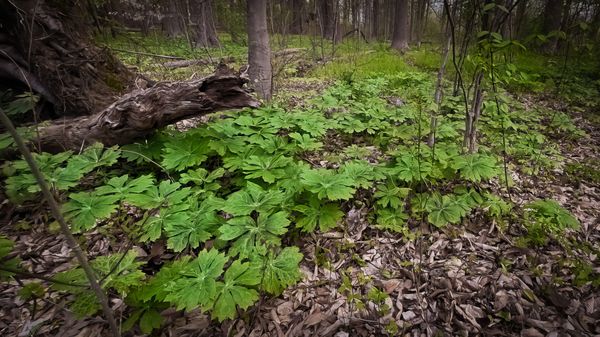
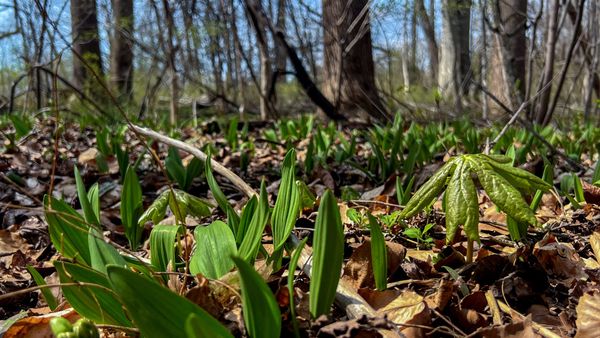
Each spring, Mayapple (Podophyllum peltatum) shoots, rolled up like umbrellas, push through leaf litter into the dappled sunlight of the forest floor. These plants belong to an ancient line spread across the Northern Hemisphere. Over millions of years, the line divided, resulting in related species in eastern North America and
A full slate of spring!
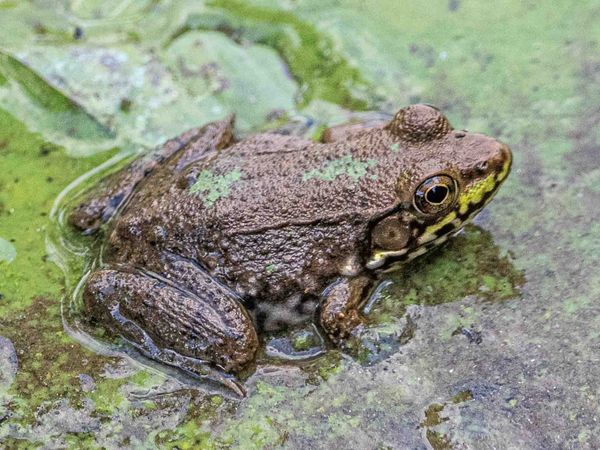
When visiting Anson B. Nixon Park, you may be fortunate enough to spot one of four species of frogs or the American Toad. The fifth species of frog is one you'll more likely hear than see, the Spring Peeper; look for a separate post about them in the
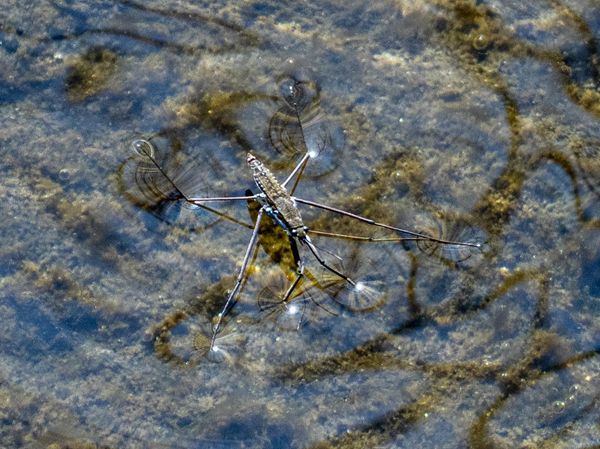
Crossing a footbridge at the park this week I saw a frenetic kerfuffle of water striders on the surface of the creek. My surprise at seeing them so early in the year sparked some research; here's what I found. Our creek water striders are in the Aquarius remigis
The poem of spring continues to unfold, with a stanza here and there reminding us just how cold winter was. Heard and seen, but not yet photographed - Tree Swallows! I've been working on project that incorporates iNaturalist observations in the Anson B. Nixon Park Project into a field
How long has skunk cabbage been around? Our local skunk cabbage is a relative of fossils reaching back 72 million years. Using the molecular clock (a method of estimating the age of plant groups by DNA changes) our local species developed roughly 12 million years ago. At that time he
Every small shift in the forest is driven by huge astronomical events. In late February the sun slides northward along the horizon and days lengthen. Sunlight strikes the earth at a more direct angle, and the warming begins. Orion, our winter companion, begins his slow departure from the night sky.
I'd like to begin hosting/leading more or less informal nature walks at the Nixon Park this spring. I am asking anyone who would like to participate to let me know their preference for day and time by completing this brief survey. Please feel free to share with